After Health NZ Data & Digital Cuts, Te Arawa IMPB Invests in New Data Platform & Capability
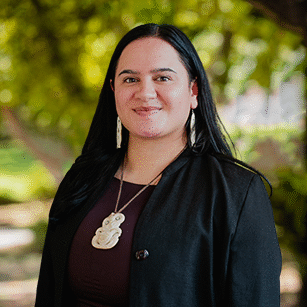
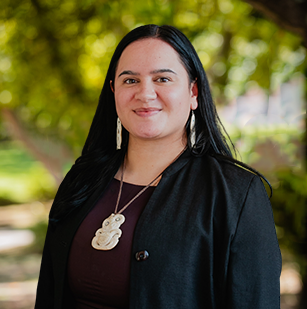
Te Taura Ora o Waiariki, Iwi Māori Partnership Board is pleased to announce the appointment of Urukahinga Rei (Ngāti Whakaue, Tūhourangi) as Kaitātari, a role dedicated to strengthening data capability and ensuring Te Arawa whānau voices are paired with robust evidence to support better health outcomes.
“This appointment of Urukahinga reflects Te Arawa’s commitment to actioning Waitangi Tribunal findings in the historic Hauora Report, which made clear that Māori must lead the design and governance of our own health data to achieve equity,” says Hingatu Thompson, Chair of Te Taura Ora o Waiariki IMPB.
“The skills of Urukahinga in data analysis, research, and iwi engagement, alongside her deep grounding in Te Ao Māori, will ensure our work is driven by evidence that reflects the realities and aspirations of our Te Arawa whānau. Her role strengthens our capacity to deliver monitoring, reporting, and advocacy that is both data-informed and whānau-centred.”
As Kaitātari, Urukahinga will identify, describe, and map key datasets relevant to whānau hauora, while also supporting the team with project administration. Her work will be central to developing a data platform that upholds Māori data sovereignty principles and reflects Te Arawa aspirations for wellbeing.
A Raukuratanga of kōhanga reo and kura kaupapa Māori, Urukahinga brings both cultural depth and technical skill to the role. She has built a strong foundation in Māori data and research through her recent mahi with Te Kāhui Raraunga, where she developed an iwi data framework and profile, and with Te Akatea – Māori Principals Association, where she produced regional data analysis for Māori principals.
Her experience extends to working with the Mātauranga Iwi Leaders Group, Te Arawa Lakes Trust, and the National Hauora Coalition, where she supported Māori health initiatives and contributed to iwi education portfolios and research projects.
Currently completing a Bachelor of Māori Law and Philosophy at Te Wānanga o Raukawa, Urukahinga combines academic study with practical expertise in data analysis, research, and kaupapa Māori approaches.
Urukahinga is deeply motivated by the opportunity to contribute to iwi-led health solutions, weaving together her passion for kaupapa Māori research and data with a steadfast commitment to advancing the wellbeing of Te Arawa whānau. Her appointment signals a step forward in ensuring that evidence is not only rigorous but also reflective of Te Arawa values, realities, and aspirations.
“Guided by the principles of Māori Data Sovereignty championed by Te Mana Raraunga, this role strengthens the capacity of Te Arawa to protect and harness our own information in ways that empower whānau and support equitable health outcomes,” says Hingatu Thompson.
“All at a time when Te Whatu Ora Health New Zealand has disestablished or redeployed more than 1,800 data and digital roles nationally, this investment shows our determination to prioritise Māori-led data solutions and safeguard iwi voices in the health system.”
Media Liaison: Sarah Sparks Email: Sarah.sparks@sparksconsulting.co.nz Mobile: 021318813

Te Taura Ora Slams Pae Ora Bill as Blow to Māori Health Equity
The Deputy Chair of Te Taura Ora o Waiariki says the Government’s proposed Healthy Futures Amendment Bill is a major setback for Māori health.
The bill, introduced in July, would restructure the Pae Ora Act by shifting iwi Māori from decision-makers to advisors, and increasing Health New Zealand’s focus on infrastructure and centralised planning.
Jenny Kaka-Scott says the bill strips away Te Tiriti protections and downgrades iwi partnership boards.
“We shift from being meaningful decision makers to advisers to the minister’s advisors. Advisory only powers mean that our advice can be ignored, whereas the statutory power ensures our iwi voices have to be factored into that decision making, and without that, you know, Māori will remain consulted, but excluded,” says Kaka-Scott.
Kaka-Scott says the changes risk worsening inequities in regions like Waiariki, where suicide rates are high and life expectancy is low.
She’s calling for the bill to be scrapped or rewritten to uphold Māori-led solutions.
Original Source: https://waateanews.com/2025/09/03/te-taura-ora-slams-pae-ora-bill-as-blow-to-maori-health-equity/
Te Taura Ora IMPB Oral Submission
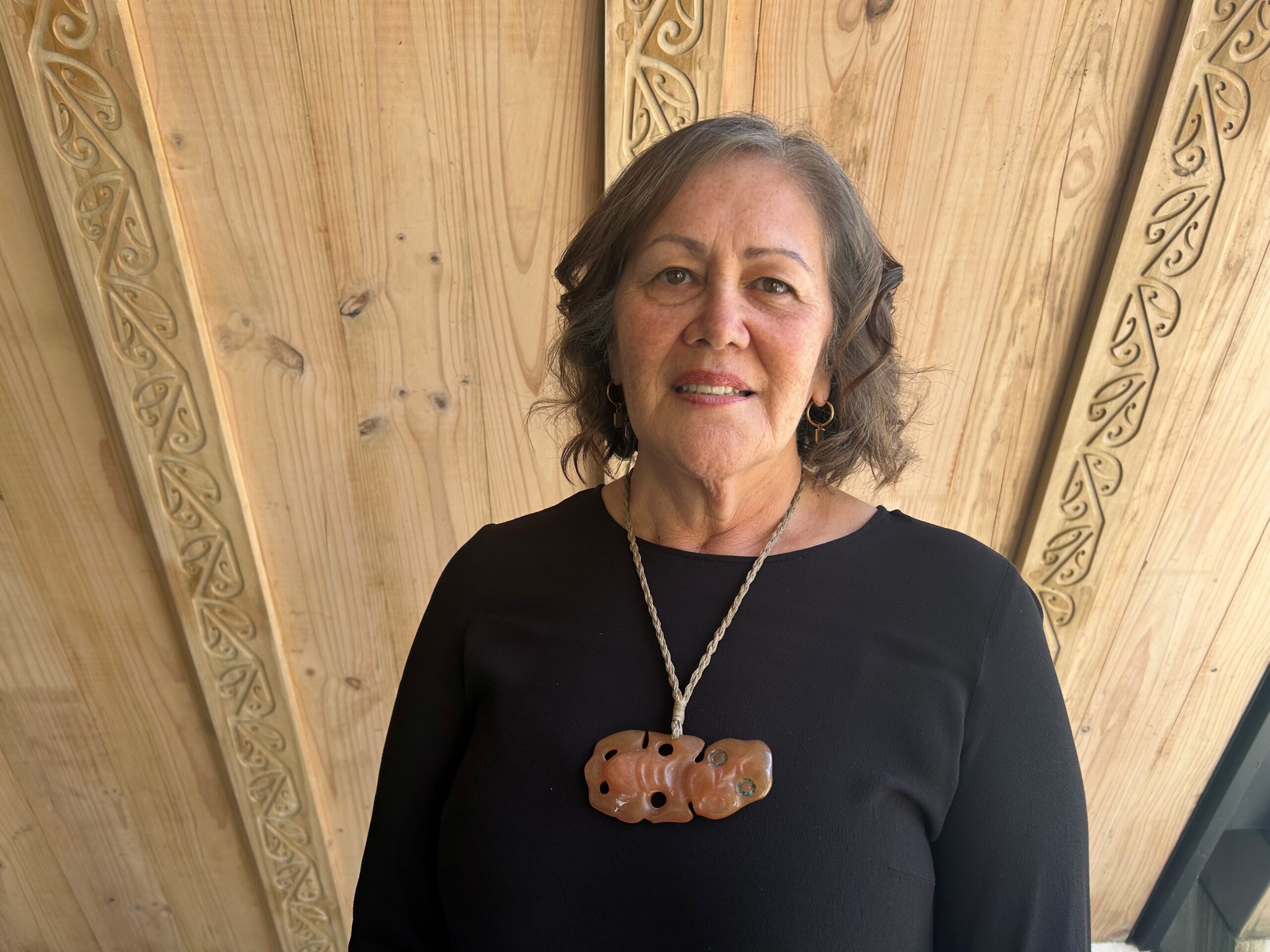
Deputy Chairperson Jenny Kaka-Scott presented the Te Taura Ora oral submission to Subcommittee A, chaired by Sam Uffindell, with members Dr Carlos Cheung, Cameron Luxton, Hūhana Lyndon, and Debbie Ngarewa-Packer.
Te Taura Ora IMPB Warns Pae Ora Bill Worsens Inequities Urges Abandonment
Te Taura Ora o Waiariki, the Iwi Māori Partnership Board (IMPB), will make a formal submission before Parliament’s Select Committee on Tuesday 2 September at 9:50am on the Pae Ora Bill. Deputy Chairperson Jenny Kaka-Scott will present to Subcommittee A, chaired by Sam Uffindell, with members Dr Carlos Cheung, Cameron Luxton, Hūhana Lyndon, and Debbie Ngarewa-Packer.
“This Bill undermines the principles of Te Tiriti o Waitangi by stripping away statutory protections that give Māori genuine influence in health service design and delivery decisions impacting our people,” Jenny Kaka-Scott said.
Te Taura Ora o Waiariki opposes the Healthy Futures (Pae Ora) Amendment Bill because it reduces Māori from being meaningful decision-makers to advisors to the Minister’s advisors, which represents a constitutional regression.
“The Pae Ora Act 2022 is one of the few modern health laws that truly embeds Te Tiriti into governance, service design, and monitoring, and the proposed amendments would weaken those protections nationwide.”
She said that IMPBs must be strengthened to maintain statutory authority to monitor the health sector independently, partner in local service design and delivery, and hold the power to appoint a majority of Hauora Māori Advisory Committee members who are accountable to iwi.
“This ensures real influence over our local health services, rather than tokenistic consultation. Weakening IMPBs also undermines Crown credibility, Tiriti compliance, and accountability in Māori health,” she said.
Kaka-Scott said the Bill also risks dismantling mechanisms that are already delivering positive outcomes for Māori. Te Taura is one of 15 IMPBs operating across Aotearoa, providing a vehicle for rangatiratanga in health. Removing their statutory functions would undermine these proven approaches and weaken local voices in health planning.
“In our Te Arawa rohe, Te Taura Ora o Waiariki has successfully partnered with Rotorua Hospital, local PHOs, Hauora Māori providers, Bay of Plenty Public Health, and community leaders to embed local priorities into Regional Health and Wellbeing Plans. Our partnerships demonstrate how IMPBs improve outcomes on the ground through genuine Te Tiriti-based engagement and co-design.”
These local successes highlight what is at stake, as the Bill’s proposed changes risk undermining the very mechanisms that are improving Māori health outcomes and addressing persistent inequities in Te Arawa.
“Evidence shows that Māori continue to experience shorter life expectancy and higher rates of preventable hospitalisations. By removing mandatory engagement, cultural responsiveness, and independent monitoring, the Bill would reduce culturally safe care, allow inequities to go unreported, and impose one-size-fits-all universalism solutions that fail to meet local Māori needs,” Kaka-Scott said.
Te Taura Ora o Waiariki is calling on Parliament to abandon the Bill or at worst, redraft it to retain and strengthen statutory Te Tiriti protections, IMPB powers, and co-design mechanisms. Until such changes are made, the Pae Ora Act 2022 remains in force, and Te Whatu Ora Health NZ must fully comply with its current statutory requirements.
Media Liaison: Sarah Sparks Email: Sarah.sparks@sparksconsulting.co.nz Mobile: 021318813