
Tumu Whakarae | General Manager Role
About Te Taura Ora ō Waiariki
Te Taura Ora ō Waiariki is the legislated Te Arawa Iwi Māori Partnership Board for Rotorua and surrounding areas. Established under the Pae Ora (Healthy Futures) Act 2022, the organisation represents Te Arawa perspectives on health needs and aspirations, monitors health sector performance, and influences the design and delivery of health services to Te Arawa whānau and Māori that reside in the area. Through their mahi, they seek to improve hauora outcomes and ensure the voice and aspirations of Te Arawa are realised.
Te Kōwhiringa | The Opportunity
This is a rare and exciting opportunity to lead a dynamic and purpose-driven organisation at the forefront of Māori health advocacy and systems change. As -Tumu Whakarae (General Manager), you will work closely with the Board to develop and implement Te Taura Ora o Waiariki’s operational strategy, manage key relationships with Te Arawa Iwi and Hapū, health system partners, and ensure the organisation operates with excellence, integrity, and strong cultural grounding.
This is a permanent, full-time role based in Rotorua, offering the opportunity to make a lasting and meaningful difference for Te Arawa whānau and the wider Māori health sector.
Ngā Haepapa Matua | Key Responsibilities
- Developing and leading the operational Business Plan in conjunction with the Board
- Support the Board to maintain and enhance relationships with Te Arawa Iwi, Hapu, and health entities.
- Providing strategic advice across contracting, partnerships, policy alignment and stakeholder relationships
- Establishing and maintaining financial controls, budgeting and financial reporting frameworks
- Building and sustaining key relationships with Te Whatu Ora, Ministry of Health, Hauora Māori Advisory Committee, National and Regional IMPB networks, iwi, hapu, whānau, local providers and community partners
- Leading policy development and quality assurance to guide organisational practice
- Overseeing monitoring and reporting frameworks that reflect whānau voice and sector performance
- Embedding Mātauranga Māori and Te Arawa tikanga across all organisational functions
- Managing and developing a high-performing team with a culture of respect, accountability and excellence
Ngā Āhuatanga Matua | Key Attributes
- Proven executive or senior management experience, ideally within health, social services, policy or Māori development sectors
- Sound knowledge of kaupapa Māori principles, tikanga and kawa, with a genuine appreciation of te reo Māori
- Strong financial management capability including budgeting, reporting and risk management
- Demonstrated ability to build and sustain complex stakeholder relationships across iwi, hapu, government, and community
Me Pēhea te Tono | How to Apply
If you are passionate about improving hauora outcomes for Te Arawa and are ready to lead an organisation committed to meaningful and transformative change, we would love to hear from you.
Please apply online with your cover letter and CV addressed to Kellie Hamlett, Recruitment Specialist at Talent ID Recruitment Ltd. Applications close 16th March 2026 and will be treated with the utmost confidentiality.


National Hui in Tairāwhiti
In February of this year, the IMPBs gathered in Tairāwhiti. We spent day one together as IMPBs discussing the roles we will play in supporting whānau to reach their hauora aspirations. This hui was focussed on how we maintain our individual mana motuhake while collectivising for greater influence and impact across Aotearoa.
Social Return on Investment (SROI)
According to Social Value International, social value is about understanding the importance that people place on changes to their wellbeing and using the insights gained to make better decisions. Social value takes into account both financial and non-financial measures to assess the impacts that a set of activities has on people and community. By accounting for a broader sense of value beyond financial returns alone, entities can make better decisions for people and the planet.
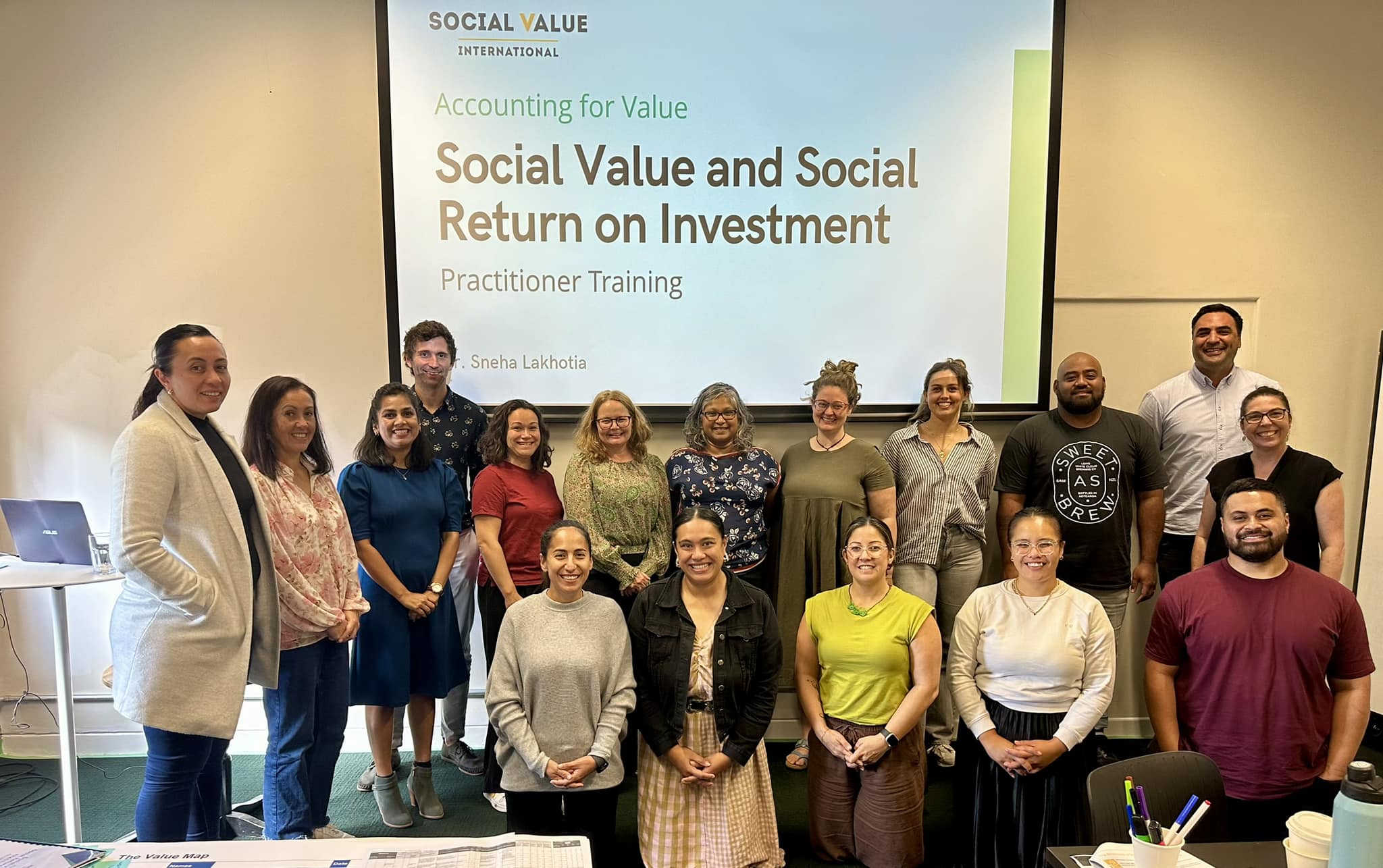
In April of this year our General Manager and Executive Officer attended a 2 day training with Social Value Aotearoa to better understand the principles of social return on investment (SROI) and gain international knowledge of best practices of social value measurement and management.
In our role as Iwi-Māori Partnership Boards (IMPBs) we have legislated responsibilities that include monitoring the health system and then influencing the commissioning cycle locally to ensure service delivery within our rohe is fit for purpose. SROI training supports this function of IMPB’s by giving us a broader lens by which we can view service provision and enables us to calculate the wider social impacts these services and service providers have for our people and our community.
Minister Reti in Christchurch
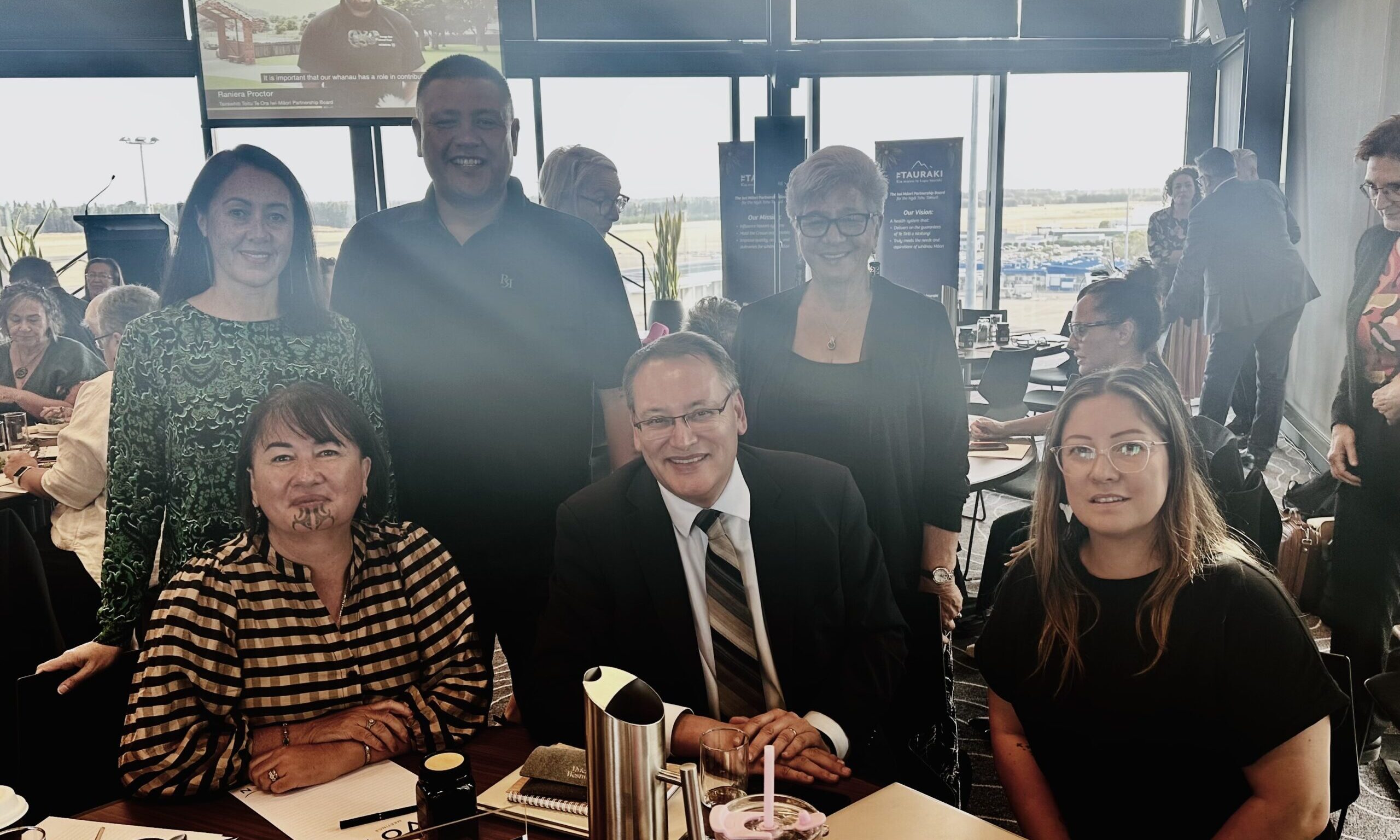
Minister of Health Dr Shane Reti addressed Iwi-Māori Partnership Boards in March of this year and affirmed he will strengthen the role of IMPBs nationally. His speech spoke of a new dream for Māori Health that included timely access to quality healthcare and acknowledged that wider social determinants play a critical role in the overall health and wellbeing of whānau.
“I want to paint a vision for Māori and all New Zealanders. My vision is that all New Zealanders will have timely access to quality healthcare. That is the mission statement”
Te Taura Ora o Waiariki travelled to Otautahi for this hui and had the priviledge of speaking with the Minister one on one where we discussed the social issues our rohe faces and how we can support our people by breaking down cross sectoral silos. The Minister acknowledged that 80% of a persons overall wellbeing is determined by socail impacts and only 20% can be attributed to clinical health.
Do not be daunted. I know that each IMPB will have its own aspirations and plan, and we would like to work with you to facilitate a process where you are resourced to test and develop ways of working, which would then provide good evidence to inform longer-term resourcing. I know there are models that have worked before that we can better support, like the COVID-19 Care in the Community model.
Click here to read the Minister’s speech in full