
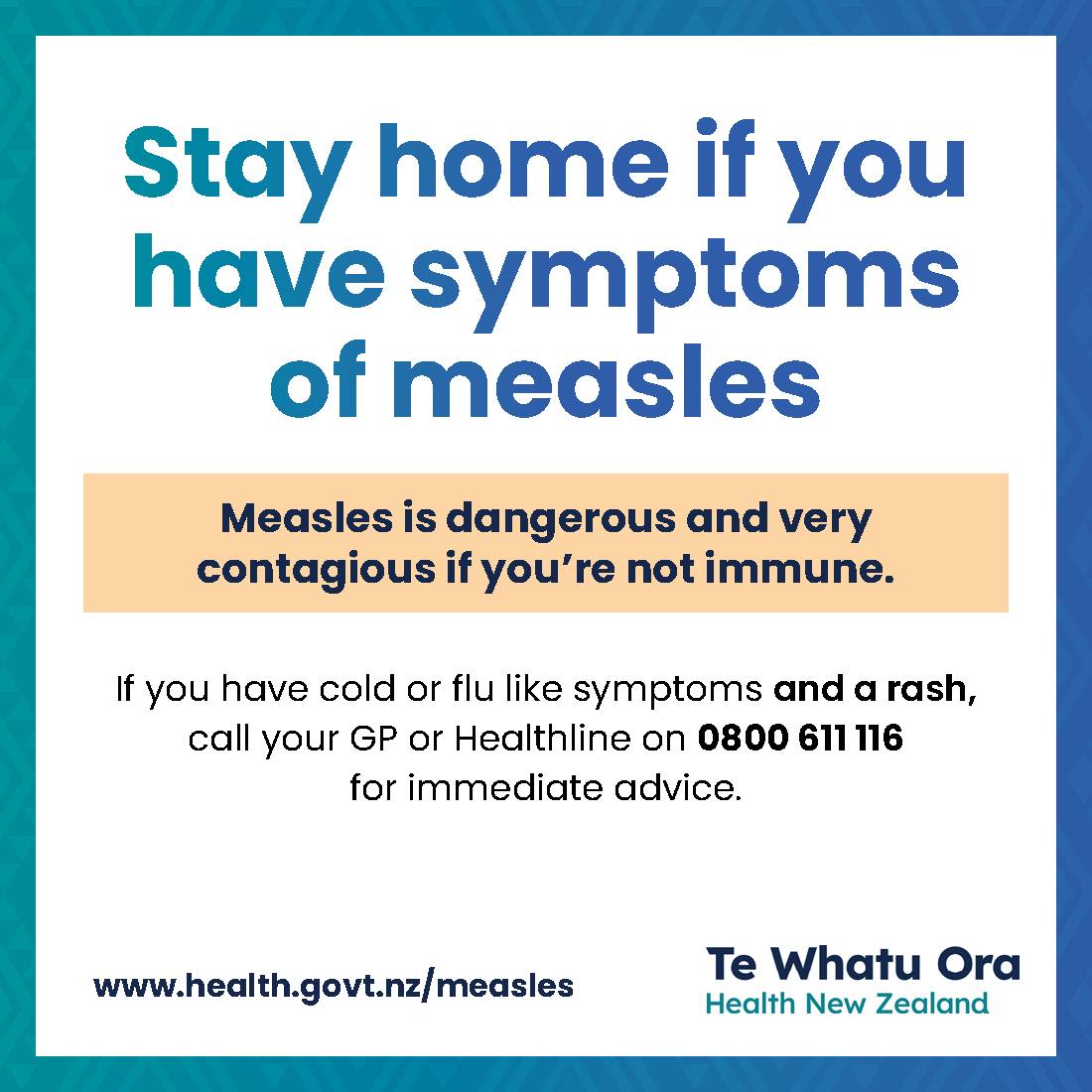
Stay vigilant e te whānau – measles is on the move
Stay vigilant e te whānau – measles is on the move.
With many whānau having travelled over the long weekend, now’s a good time to stay alert and help stop the spread of measles.
If you or your whānau have measles symptoms – such as fever, cough, runny nose, sore eyes or a rash – please stay home and phone ahead before visiting your doctor or health provider. This helps protect others.
📞 You can also call Healthline for free anytime on 0800 611 116 for any pātai or concerns.
Protect yourself and your whānau:
✔️ Two doses of the MMR vaccine after 12 months of age protects 99% of people against measles.
✔️ The MMR vaccine is safe and free for anyone under 18 years old, and for adults eligible for free healthcare.
✔️You can book your vaccine with your pharmacy, doctor, nurse, or Hauora Māori or Pacific health provider. You can find your nearest immunisation clinic here: https://info.health.nz/immunisations/immunisation-clinics
🌏 Locations of interest will be updated as they become available:
https://info.health.nz/…/measles-locations-of-interest…
ℹ️ For info on checking if you’re fully protected, visit:
https://info.health.nz/…/infectio…/about-measles/measles
or call the Vaccination Helpline on 0800 282 926.
Kia noho haumaru, whānau – let’s look after one another and keep our communities safe.

Waiariki Health Realities in Māori Hands Thanks to Dedicated Data Dashboard
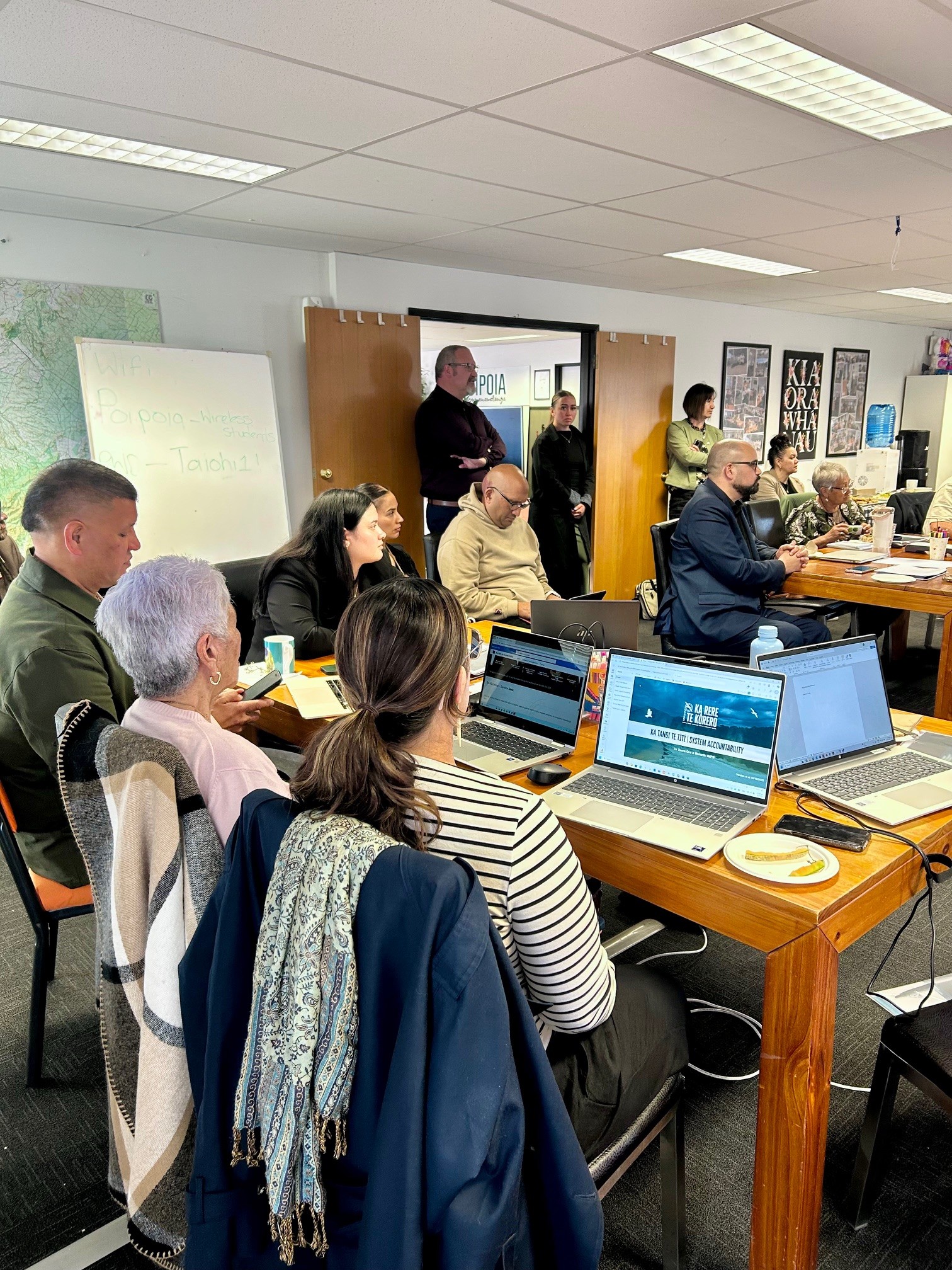
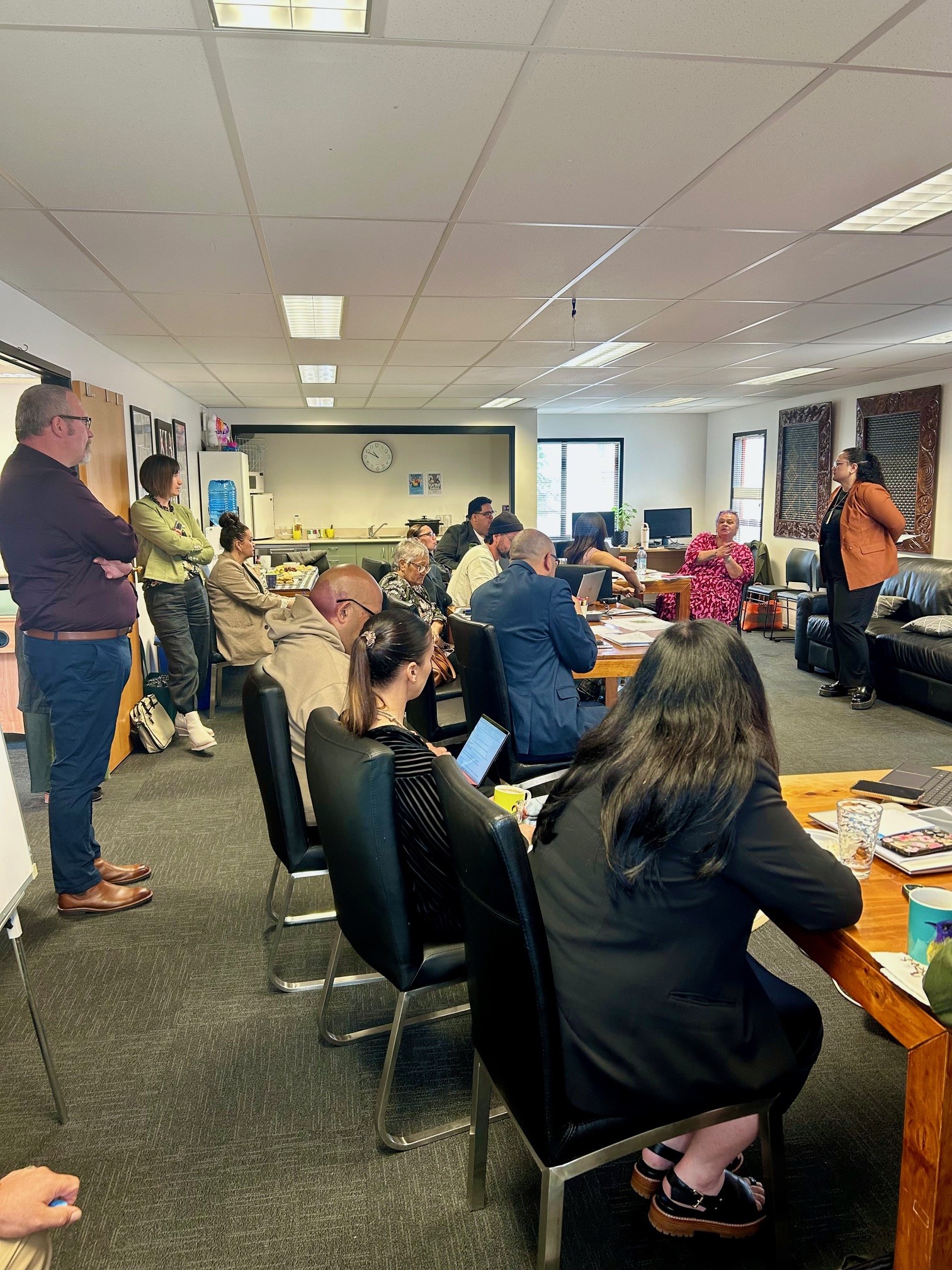
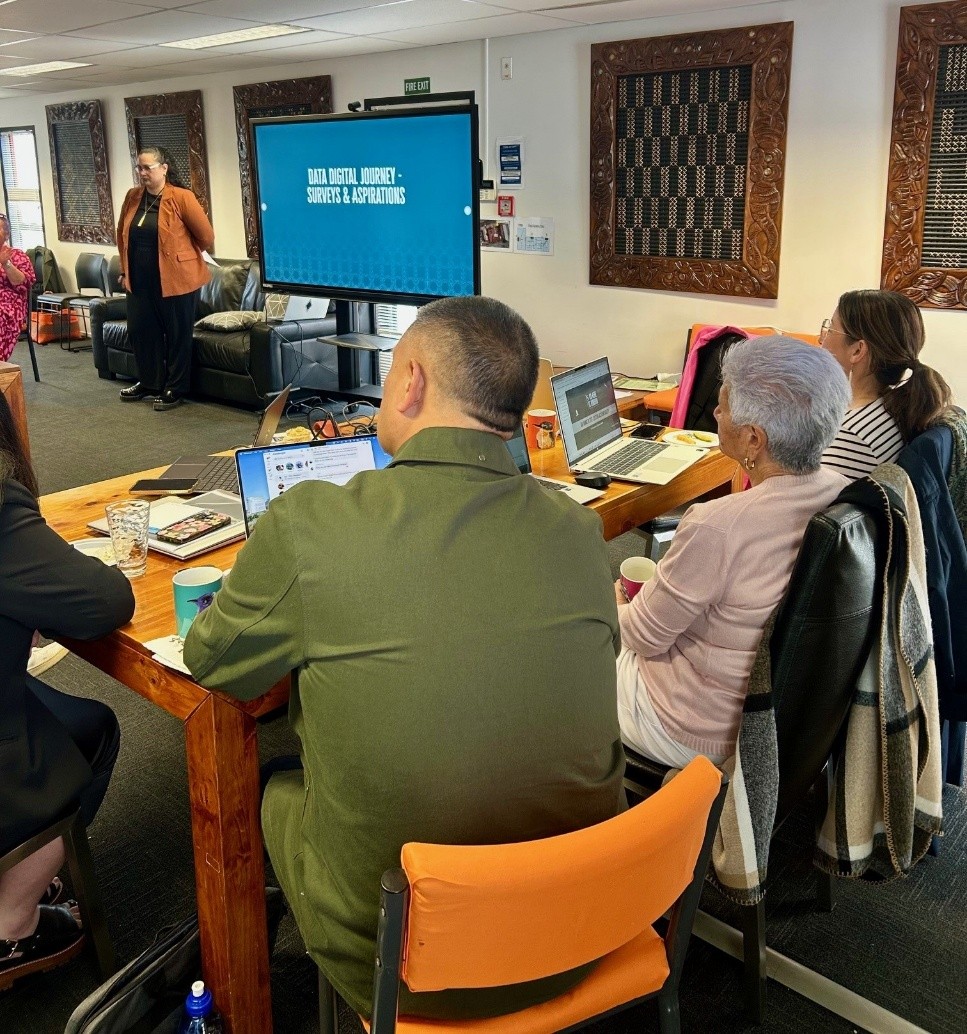
Te Taura Ora o Waiariki, the Iwi Māori Partnership Board (IMPB) has taken a major step toward transforming how Māori health data is accessed, understood, and used for decision-making, completing the first stage of training for a new Māori data platform that will empower iwi to see their own health trends clearly for the first time.
The training, held in Taupō alongside governance members and three neighbouring Iwi Māori Partnership Boards, marks the beginning of a significant shift toward Māori data sovereignty, ensuring information about our people is held, interpreted, and used by us, for us.
“This marks a pivotal moment for Māori leadership in health. This data platform allows us to see our people clearly. We can now identify exactly where needs exist, where gaps in the system are impacting whānau, and where opportunities lie to invest in solutions that will create real change,” said Hingatu Thompson, Chair of Te Taura Ora o Waiariki.
Until now, data relating to the Waiariki region was grouped within the wider Lakes District, which meant the true realities of our whānau were hidden within larger population sets. Now for the first time, Te Taura Ora o Waiariki will be able to access a dedicated dashboard populated with data specific to our rohe.
The initial dashboard draws on information currently provided by Te Whatu Ora on the government’s 5+5+5 health targets:
- Faster cancer treatment
- Improved immunisation
- Shorter stays in emergency departments
- Shorter wait times for first specialist assessment
- Shorter wait times for elective treatment
While this first iteration is modest, it represents a breakthrough in visibility and will provide a foundation on which a richer, more comprehensive dataset will be built over time.
Participants in the training explored data through a te ao Māori worldview. Rather than viewing data as numbers alone, kaimahi reflected on data as a living narrative that carries the voice, mana and aspirations of whānau, hapū and iwi. The training is designed to build capability and confidence so that data insights can be used to inform strategic planning, influence policy, and strengthen advocacy on behalf of Māori communities.
Te Taura Ora o Waiariki has also been gathering whānau voice independently through kōrero, surveys and hui. Although this qualitative data is not yet integrated into the dashboard, it remains central to interpreting the numbers and will be used alongside the platform to ensure decisions reflect lived reality, not just statistics.
The platform build and training are being led by Te Tihi o Ruahine, a respected whānau ora collective with deep expertise in Māori data systems and technical development. Seven more training modules will be delivered between now and June 2026, with one of these wānanga set to be hosted in Te Arawa in February 2026. As the platform matures, new data sources will be incorporated to build a more complete picture of community wellbeing.
“This kaupapa is not just about technology,” Thompson said. “It is about restoring mana motuhake, defining success on our own terms, and using evidence grounded in our worldview to uplift the wellbeing of our whānau.”
The training follows the key appointment of Urukahinga Rei (Ngāti Whakaue, Tūhourangi) as Kaitātari, a role that identifies, describes, and maps key datasets relevant to whānau hauora.
In the coming years, Te Taura Ora o Waiariki will share insights and stories emerging from the data platform with iwi partners, Māori providers and communities to support collective action toward improved health outcomes.
Media Liaison: Sarah Sparks Email: Sarah.sparks@sparksconsulting.co.nz Mobile: 021318813
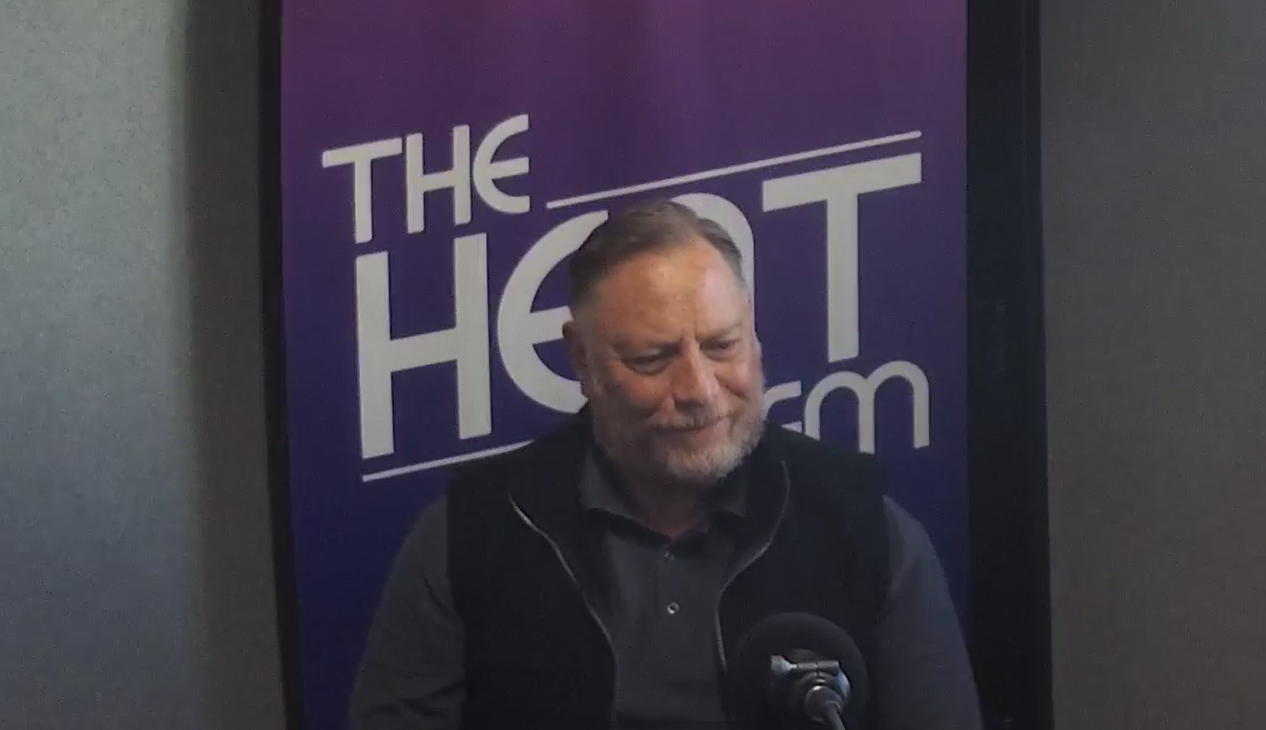
Kōrero with Hingatu Thompson Chair of Te Taura Ora o Waiariki - Te Arawa IMPB
The Chair recently joined The Heat FM – Turn It Up to kōrero about the Whānau Voice Grants and why your stories matter. He shared insights into the role of Te Taura Ora o Waiariki, the importance of Iwi Māori Partnership Boards, and how Whānau Voice helps shape better health outcomes for our communities. Learn how whānau can get involved and apply for support to bring their ideas to life.
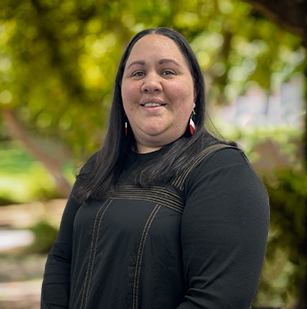
New Pou Oranga for Te Arawa IMPB to Drive Whānau Wellbeing in Te Arawa
In a move to strengthen delivery on its strategic health priorities, Te Taura Ora o Waiariki, Iwi Māori Partnership Board has appointed Jeanette Te Ua-Hausman (Ngā Wairiki, Ngāti Apa) as Pou Oranga – Projects, a role focused on leading and coordinating kaupapa that advance the Board’s strategic priorities for hauora Māori across the rohe.
“We welcome Jeanette at a moment when the future of Māori health governance is at stake,” says Hingatu Thompson, Chair of Te Taura o Waiariki Iwi Māori Partnership Board. “Her appointment reflects our commitment to delivering Te Arawa-led solutions to the housing, health, and wellbeing challenges that are particularly acute in Rotorua.”
“Our whānau face complex social issues, from high housing stress and homelessness to the health inequities highlighted in the Waitangi Tribunal’s Hauora Report. In Waiariki, low cancer screening and immunisation rates show a public health system that too often falls short.”
“Jeanette brings expertise in housing strategy, community engagement, and multi-stakeholder coordination, enabling practical, culturally grounded solutions to overcrowding, damp homes, and the broader social determinants of health affecting Te Arawa whānau.”
The Board appreciates the value of Jeanette’s proven leadership in housing, project management, and iwi-led collaboration with a strong understanding of Tikanga Māori which strengthens the ability of Te Taura to deliver outcomes that are not only effective but mana-enhancing and grounded in Te ao Māori, reflecting the aspirations and realities of Te Arawa whānau.
Jeanette brings more than a decade of project and operational leadership across diverse sectors, housing advocacy, and iwi–Crown partnership work underpinned by a Bachelor of Applied Management in Project and Operations Management.
Most recently, as Housing Advisor for Whanganui District Council, she led strategic action plans for housing and homelessness, successfully managed complex projects addressing social determinants of wellbeing and facilitated housing action groups, coordinating multi-stakeholder initiatives with Iwi, hapū, and government agencies. Her career also spans leadership roles in real estate, manufacturing operations, and human resources, with a consistent focus on building kaupapa that improve community wellbeing.
As Pou Oranga, Jeanette will manage the delivery of key projects from the IMPB’s annual work programme, including initiatives addressing housing, poverty, and food security – critical social determinants of health. She will also strengthen partnerships across iwi, hapū, providers, and Crown agencies to ensure Te Arawa aspirations are at the centre of local system change.
Her appointment comes at a time when Rotorua is experiencing both a housing crisis and significant health reforms with the Pae Ora (Healthy Futures) Bill. With Te Whatu Ora restructuring frontline services, the role of IMPBs in shaping local solutions has become even more critical.
“Jeanette’s experience leading iwi–Crown partnerships in the housing space makes her uniquely placed to progress Te Arawa-led solutions,” says Thompson. “This appointment signals our determination to move beyond business-as-usual and deliver transformational change for our whānau.”
Media Liaison: Sarah Sparks Email: Sarah.sparks@sparksconsulting.co.nz Mobile: 021318813
After Health NZ Data & Digital Cuts, Te Arawa IMPB Invests in New Data Platform & Capability
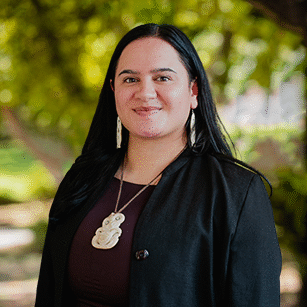
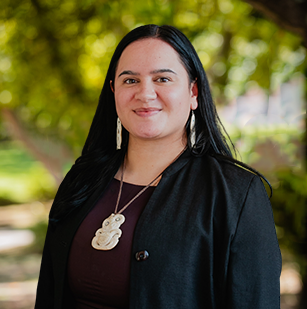
Te Taura Ora o Waiariki, Iwi Māori Partnership Board is pleased to announce the appointment of Urukahinga Rei (Ngāti Whakaue, Tūhourangi) as Kaitātari, a role dedicated to strengthening data capability and ensuring Te Arawa whānau voices are paired with robust evidence to support better health outcomes.
“This appointment of Urukahinga reflects Te Arawa’s commitment to actioning Waitangi Tribunal findings in the historic Hauora Report, which made clear that Māori must lead the design and governance of our own health data to achieve equity,” says Hingatu Thompson, Chair of Te Taura Ora o Waiariki IMPB.
“The skills of Urukahinga in data analysis, research, and iwi engagement, alongside her deep grounding in Te Ao Māori, will ensure our work is driven by evidence that reflects the realities and aspirations of our Te Arawa whānau. Her role strengthens our capacity to deliver monitoring, reporting, and advocacy that is both data-informed and whānau-centred.”
As Kaitātari, Urukahinga will identify, describe, and map key datasets relevant to whānau hauora, while also supporting the team with project administration. Her work will be central to developing a data platform that upholds Māori data sovereignty principles and reflects Te Arawa aspirations for wellbeing.
A Raukuratanga of kōhanga reo and kura kaupapa Māori, Urukahinga brings both cultural depth and technical skill to the role. She has built a strong foundation in Māori data and research through her recent mahi with Te Kāhui Raraunga, where she developed an iwi data framework and profile, and with Te Akatea – Māori Principals Association, where she produced regional data analysis for Māori principals.
Her experience extends to working with the Mātauranga Iwi Leaders Group, Te Arawa Lakes Trust, and the National Hauora Coalition, where she supported Māori health initiatives and contributed to iwi education portfolios and research projects.
Currently completing a Bachelor of Māori Law and Philosophy at Te Wānanga o Raukawa, Urukahinga combines academic study with practical expertise in data analysis, research, and kaupapa Māori approaches.
Urukahinga is deeply motivated by the opportunity to contribute to iwi-led health solutions, weaving together her passion for kaupapa Māori research and data with a steadfast commitment to advancing the wellbeing of Te Arawa whānau. Her appointment signals a step forward in ensuring that evidence is not only rigorous but also reflective of Te Arawa values, realities, and aspirations.
“Guided by the principles of Māori Data Sovereignty championed by Te Mana Raraunga, this role strengthens the capacity of Te Arawa to protect and harness our own information in ways that empower whānau and support equitable health outcomes,” says Hingatu Thompson.
“All at a time when Te Whatu Ora Health New Zealand has disestablished or redeployed more than 1,800 data and digital roles nationally, this investment shows our determination to prioritise Māori-led data solutions and safeguard iwi voices in the health system.”
Media Liaison: Sarah Sparks Email: Sarah.sparks@sparksconsulting.co.nz Mobile: 021318813
Te Taura Ora Slams Pae Ora Bill as Blow to Māori Health Equity
The Deputy Chair of Te Taura Ora o Waiariki says the Government’s proposed Healthy Futures Amendment Bill is a major setback for Māori health.
The bill, introduced in July, would restructure the Pae Ora Act by shifting iwi Māori from decision-makers to advisors, and increasing Health New Zealand’s focus on infrastructure and centralised planning.
Jenny Kaka-Scott says the bill strips away Te Tiriti protections and downgrades iwi partnership boards.
“We shift from being meaningful decision makers to advisers to the minister’s advisors. Advisory only powers mean that our advice can be ignored, whereas the statutory power ensures our iwi voices have to be factored into that decision making, and without that, you know, Māori will remain consulted, but excluded,” says Kaka-Scott.
Kaka-Scott says the changes risk worsening inequities in regions like Waiariki, where suicide rates are high and life expectancy is low.
She’s calling for the bill to be scrapped or rewritten to uphold Māori-led solutions.
Original Source: https://waateanews.com/2025/09/03/te-taura-ora-slams-pae-ora-bill-as-blow-to-maori-health-equity/
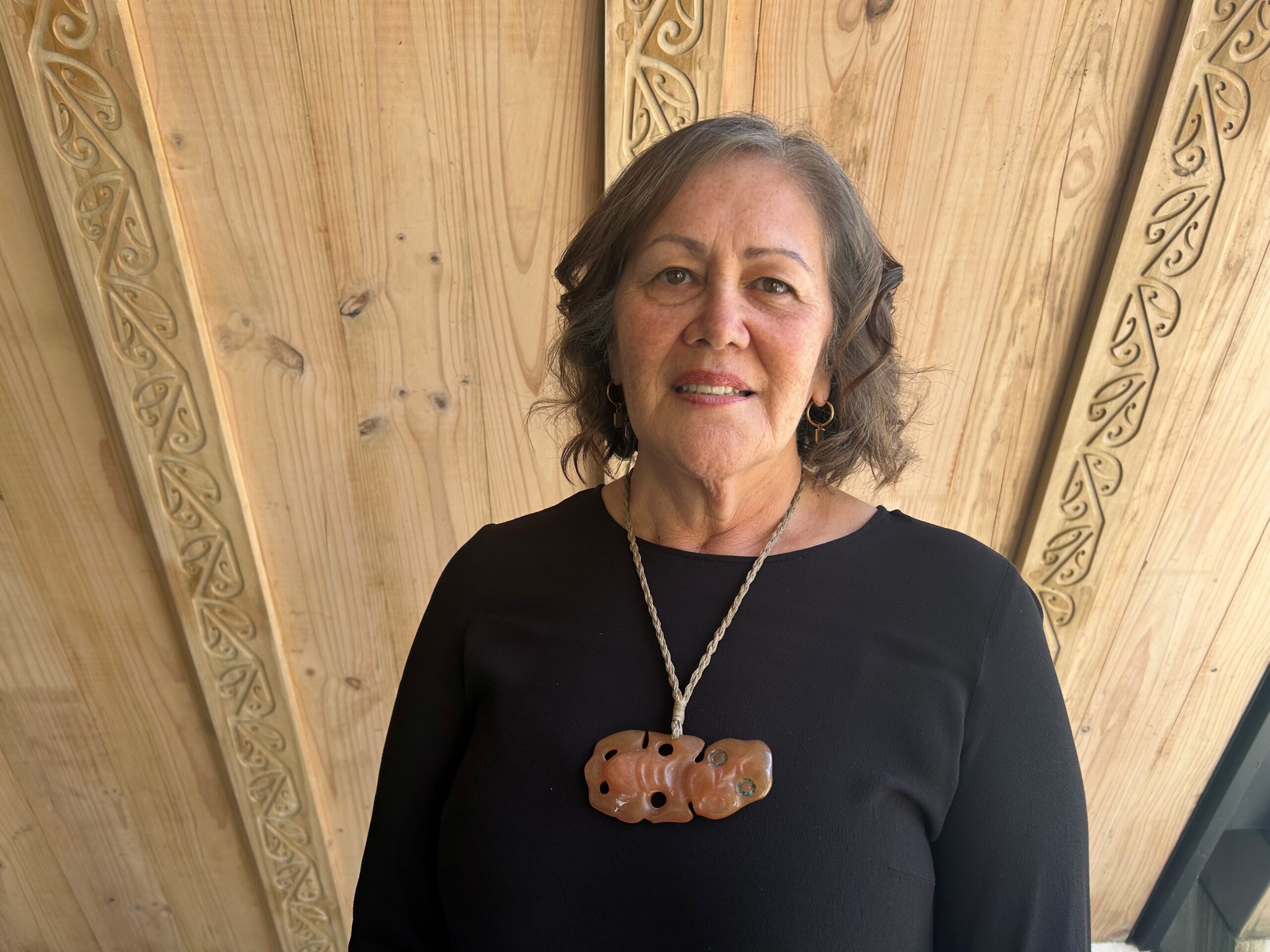
Te Taura Ora IMPB Oral Submission
Deputy Chairperson Jenny Kaka-Scott presented the Te Taura Ora oral submission to Subcommittee A, chaired by Sam Uffindell, with members Dr Carlos Cheung, Cameron Luxton, Hūhana Lyndon, and Debbie Ngarewa-Packer.
Te Taura Ora IMPB Warns Pae Ora Bill Worsens Inequities Urges Abandonment
Te Taura Ora o Waiariki, the Iwi Māori Partnership Board (IMPB), will make a formal submission before Parliament’s Select Committee on Tuesday 2 September at 9:50am on the Pae Ora Bill. Deputy Chairperson Jenny Kaka-Scott will present to Subcommittee A, chaired by Sam Uffindell, with members Dr Carlos Cheung, Cameron Luxton, Hūhana Lyndon, and Debbie Ngarewa-Packer.
“This Bill undermines the principles of Te Tiriti o Waitangi by stripping away statutory protections that give Māori genuine influence in health service design and delivery decisions impacting our people,” Jenny Kaka-Scott said.
Te Taura Ora o Waiariki opposes the Healthy Futures (Pae Ora) Amendment Bill because it reduces Māori from being meaningful decision-makers to advisors to the Minister’s advisors, which represents a constitutional regression.
“The Pae Ora Act 2022 is one of the few modern health laws that truly embeds Te Tiriti into governance, service design, and monitoring, and the proposed amendments would weaken those protections nationwide.”
She said that IMPBs must be strengthened to maintain statutory authority to monitor the health sector independently, partner in local service design and delivery, and hold the power to appoint a majority of Hauora Māori Advisory Committee members who are accountable to iwi.
“This ensures real influence over our local health services, rather than tokenistic consultation. Weakening IMPBs also undermines Crown credibility, Tiriti compliance, and accountability in Māori health,” she said.
Kaka-Scott said the Bill also risks dismantling mechanisms that are already delivering positive outcomes for Māori. Te Taura is one of 15 IMPBs operating across Aotearoa, providing a vehicle for rangatiratanga in health. Removing their statutory functions would undermine these proven approaches and weaken local voices in health planning.
“In our Te Arawa rohe, Te Taura Ora o Waiariki has successfully partnered with Rotorua Hospital, local PHOs, Hauora Māori providers, Bay of Plenty Public Health, and community leaders to embed local priorities into Regional Health and Wellbeing Plans. Our partnerships demonstrate how IMPBs improve outcomes on the ground through genuine Te Tiriti-based engagement and co-design.”
These local successes highlight what is at stake, as the Bill’s proposed changes risk undermining the very mechanisms that are improving Māori health outcomes and addressing persistent inequities in Te Arawa.
“Evidence shows that Māori continue to experience shorter life expectancy and higher rates of preventable hospitalisations. By removing mandatory engagement, cultural responsiveness, and independent monitoring, the Bill would reduce culturally safe care, allow inequities to go unreported, and impose one-size-fits-all universalism solutions that fail to meet local Māori needs,” Kaka-Scott said.
Te Taura Ora o Waiariki is calling on Parliament to abandon the Bill or at worst, redraft it to retain and strengthen statutory Te Tiriti protections, IMPB powers, and co-design mechanisms. Until such changes are made, the Pae Ora Act 2022 remains in force, and Te Whatu Ora Health NZ must fully comply with its current statutory requirements.
Media Liaison: Sarah Sparks Email: Sarah.sparks@sparksconsulting.co.nz Mobile: 021318813
15 Iwi Māori Partnership Boards sign collective submission on the Healthy Futures (Pae Ora) Amendment Bill
History has been made. All 15 Iwi Māori Partnership Boards (IMPBs) across Aotearoa spanning from Te Tai Tokerau down to Te Waipounamu, have worked together to review, provide feedback, and endorse a united submission on the Healthy Futures (Pae Ora) Amendment Bill. While IMPB’s have collaborated on many kaupapa before, this milestone cements their combined impact and influence at the national level.
This follows the National IMPB Hui held in Taranaki earlier this month. It was there that momentum was galvanised, and the respective boards committed to continue moving as one voice.
“This is a historic moment,” says Kandi Ngataki, Chair of Ngaa Pou Hauora oo Taamaki Makaurau.
“Fifteen Boards, representing iwi and whānau from every rohe in the country, are standing as one. It is kotahitanga in action, Te Tiriti-centred, a united voice coupled with a firm commitment to shaping the future for whānau.”
The submission itself makes clear that IMPB’s do not support any changes to the Pae Ora (Healthy Futures) Act 2022 that weaken obligations to Te Tiriti. IMPB boards are particularly concerned about the repeal of sections that remove the statutory obligation of Te Whatu Ora to engage with and be accountable to Iwi, and provisions that undermine Māori authority over matters affecting hauora Māori.
The collective IMPB submission has been officially lodged to the Healthy Futures (Pae Ora) Amendment Bill Committee.
He waka eke noa.
For media enquiries, please contact:
Simon Royal (Te Whānau A Haunui)
021 400 548