Māori voices risk being sidelined in Health
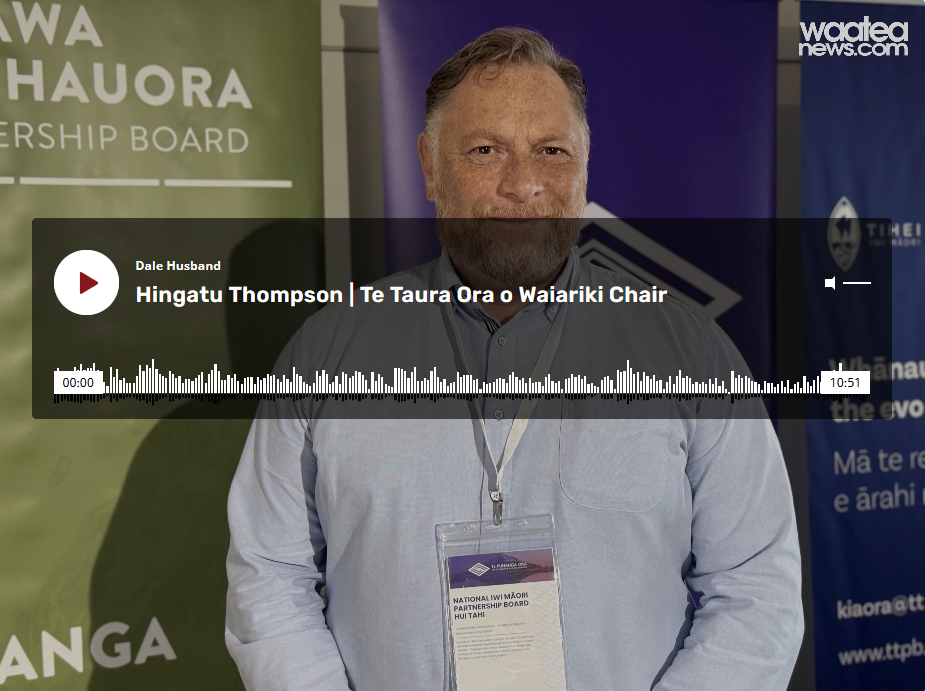
As the government proposes changes to the Pae Ora Act, Hingatu Thompson and Te Taura Ora o Waiariki stand at the forefront of a national movement warning that Māori voices risk being sidelined in decisions that directly affect their health and wellbeing.
Original Source: https://waateanews.com/2025/08/13/13082025-hingatu-thompson-te-taura-ora-o-waiariki-chair/

Proposed Pae Ora Bill Sparks Concern as Local Iwi Māori Partnership Board Warns of Silenced Māori Voices
Te Taura Ora o Waiariki, the Iwi Māori Partnership Board (IMPB) has just returned from a landmark national hui in New Plymouth, where 15 Iwi Māori Partnership Boards united to oppose government plans that threaten to silence Māori voices and weaken decades of hard-won health partnerships guaranteed under Te Tiriti o Waitangi.
“What we’ve learned is the public health system is actually not doing really well for our people, and we have known this for many years,” said Te Taura Ora Chair, Hingatu Thompson.
The first monitoring report released by Te Taura Ora o Waiariki IMPB revealed critical gaps in prevention and access for Māori in Te Arawa, highlighting low cancer screening rates and the country’s lowest child immunisation coverage, underscoring the urgent need for greater investment in Māori-led health solutions.
“What was encouraging with the original Pae Ora Act was that mana returned to Te Arawa to take control, to analyse data ourselves with our Whānau Voice surveying that gathers our own information from whānau our rohe to influence priorities.”
“However, now the government’s proposed changes in the Pae Ora Bill threaten to remove iwi’s meaningful participation and advice on the future of hauora for our people.”
Thompson said Te Arawa has maintained strong hauora partnerships across successive governments and will continue to do so. However, the proposed legislation risks sidelining iwi voices by channelling feedback primarily through the Minister-appointed Hauora Māori Advisory Committee (HMAC) which lacks representation from Waiariki, instead of empowering locally appointed Iwi Māori Partnership Boards to engage directly at regional and community levels, where real, meaningful change occurs.
“As Iwi Māori Partnership Boards, we have unique regional and local priorities and accountability to our whānau at home. We must work directly with Te Whatu Ora Health New Zealand at these levels to influence how services are delivered, who delivers them, and ultimately to achieve better outcomes for Māori in our rohe. The government’s talk of ‘streamlining’ feels like a convenient way to reduce Māori engagement,” Thompson said.
Te Taura Ora o Waiariki IMPB strongly supports:
- Retaining and clarifying the accountability of HMAC to iwi Māori through IMPBs.
- Strengthening IMPB roles to provide regional and local advice to Te Whatu Ora Health New Zealand.
- Developing new health strategies with specific actions to improve Māori health outcomes.
- Opposing any amendments to the Pae Ora Act that weaken or replace the principles of Te Tiriti o Waitangi.
“The government’s own analysis shows these changes will have minimal positive impact on Māori health outcomes, yet they risk diminishing Māori involvement. We firmly believe that continuing and enhancing the current partnership model will lead to genuine improvements and reduced inequities.”
“While that national hui is only the beginning of a national conversation, common themes are emerging, iwi and IMPBs do not support these proposed changes and question their necessity.”
“We are committed to working together nationally to form a single, strong voice, but improving life expectancy, child immunisation rates, accessibility to health delivery services locally and regionally is where we need to make the ultimate progress.”
Each IMPB, including Te Taura Ora o Waiariki, will submit their own detailed submission to the Health Committee on the proposed legislation by 18 August. Thompson intends to present in person to the select committee on behalf of whānau in Waiariki.
Media Liaison: Sarah Sparks
Email: Sarah.sparks@sparksconsulting.co.nz
Mobile: 021318813
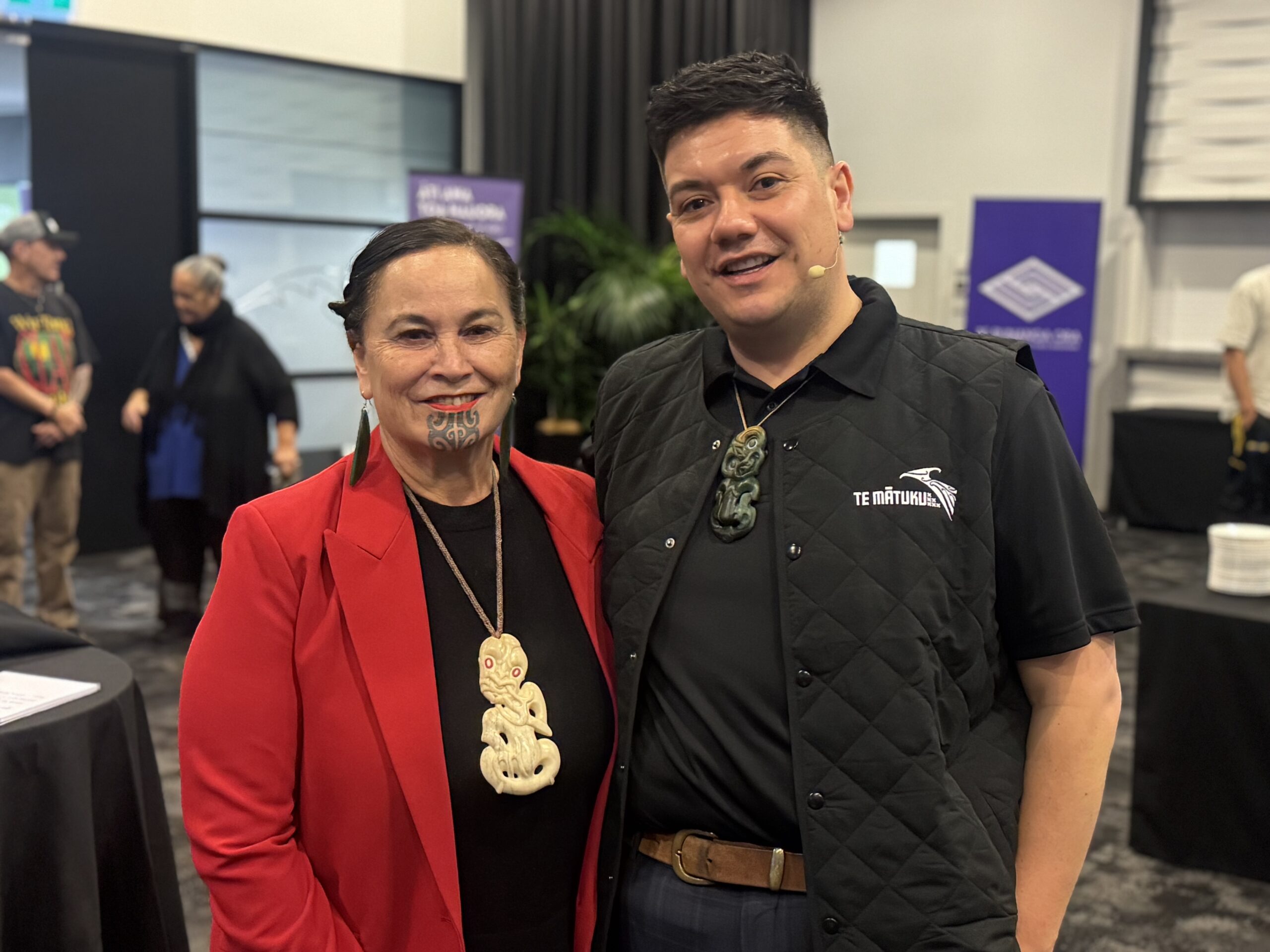
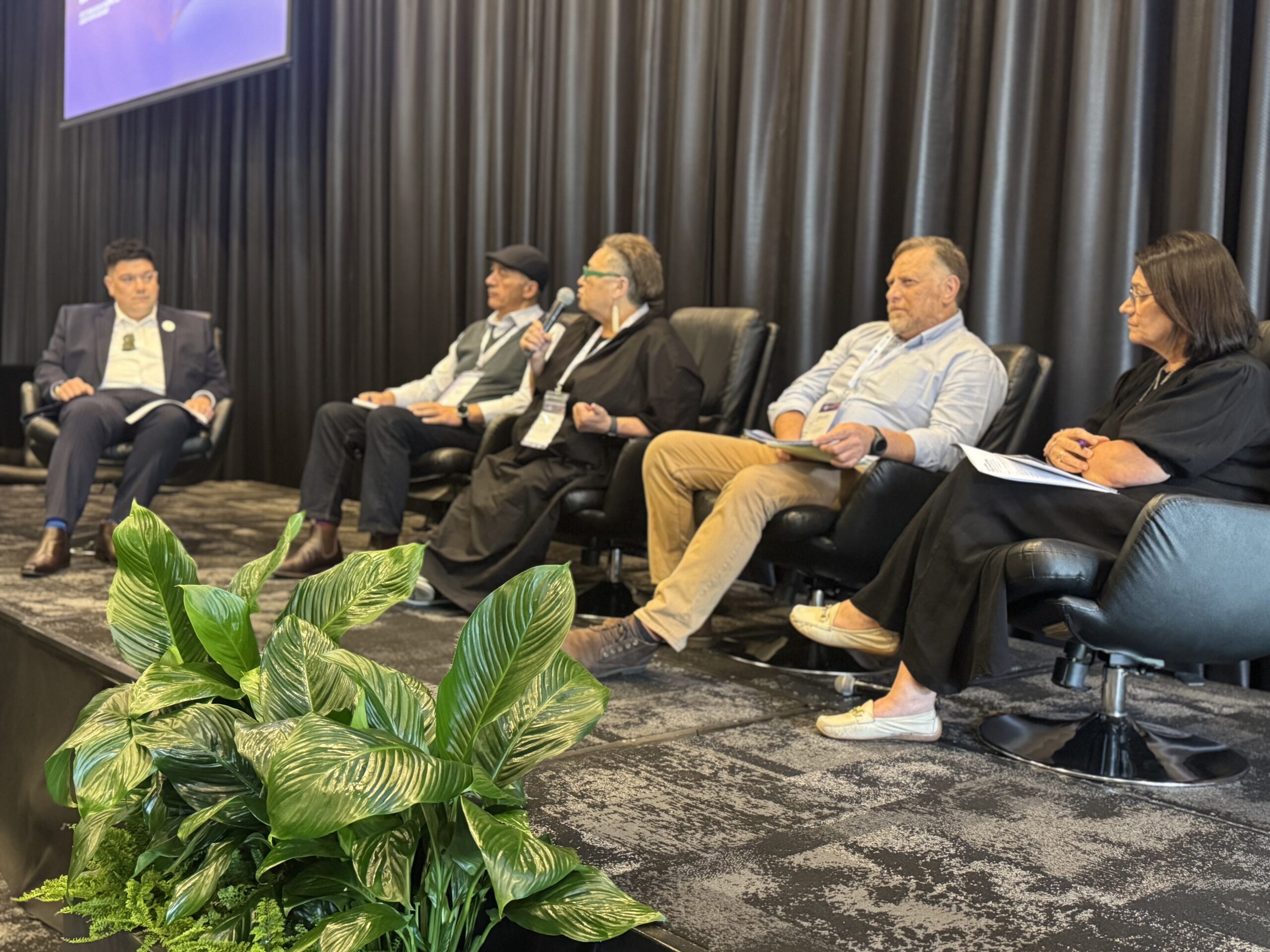
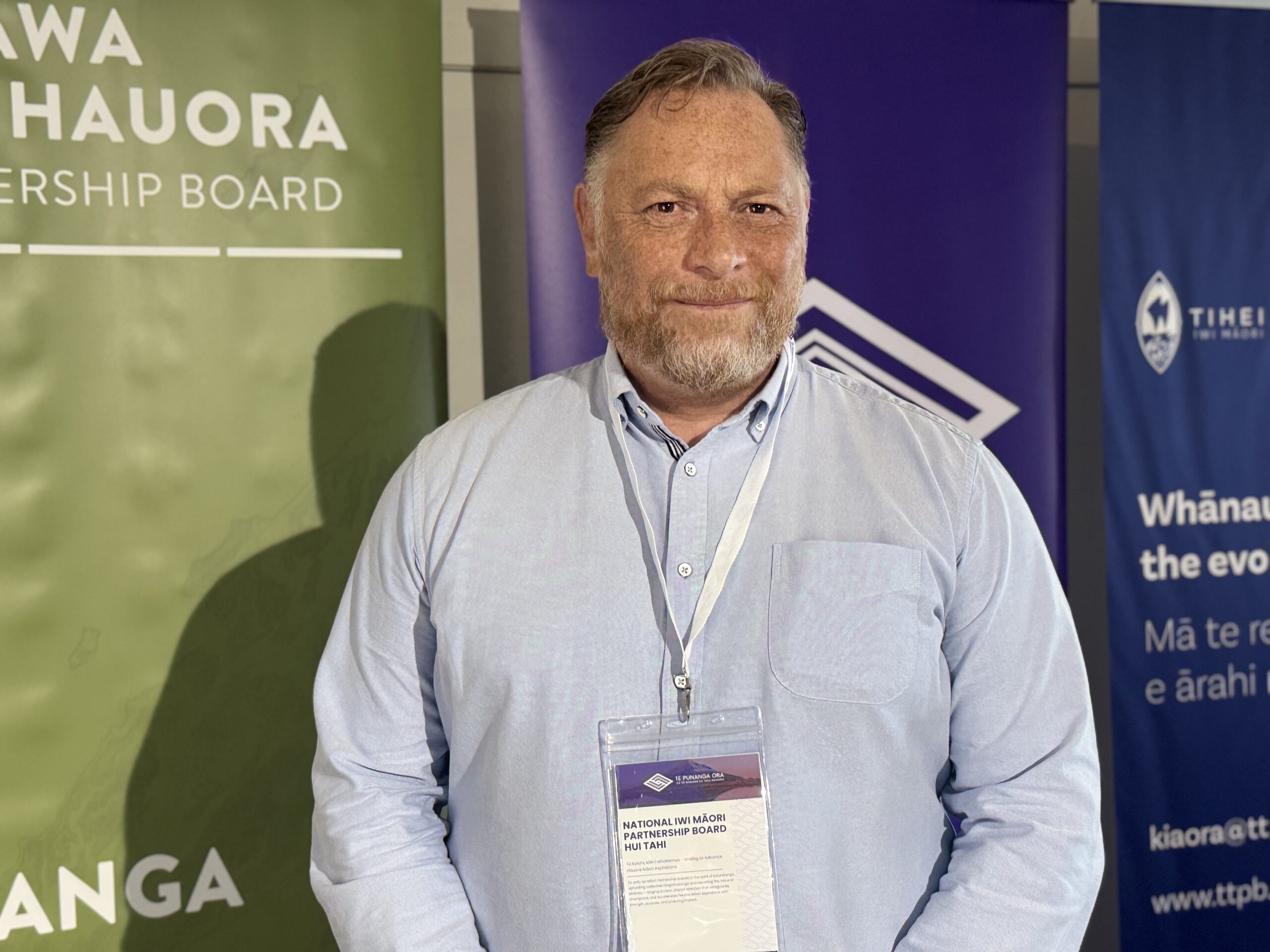
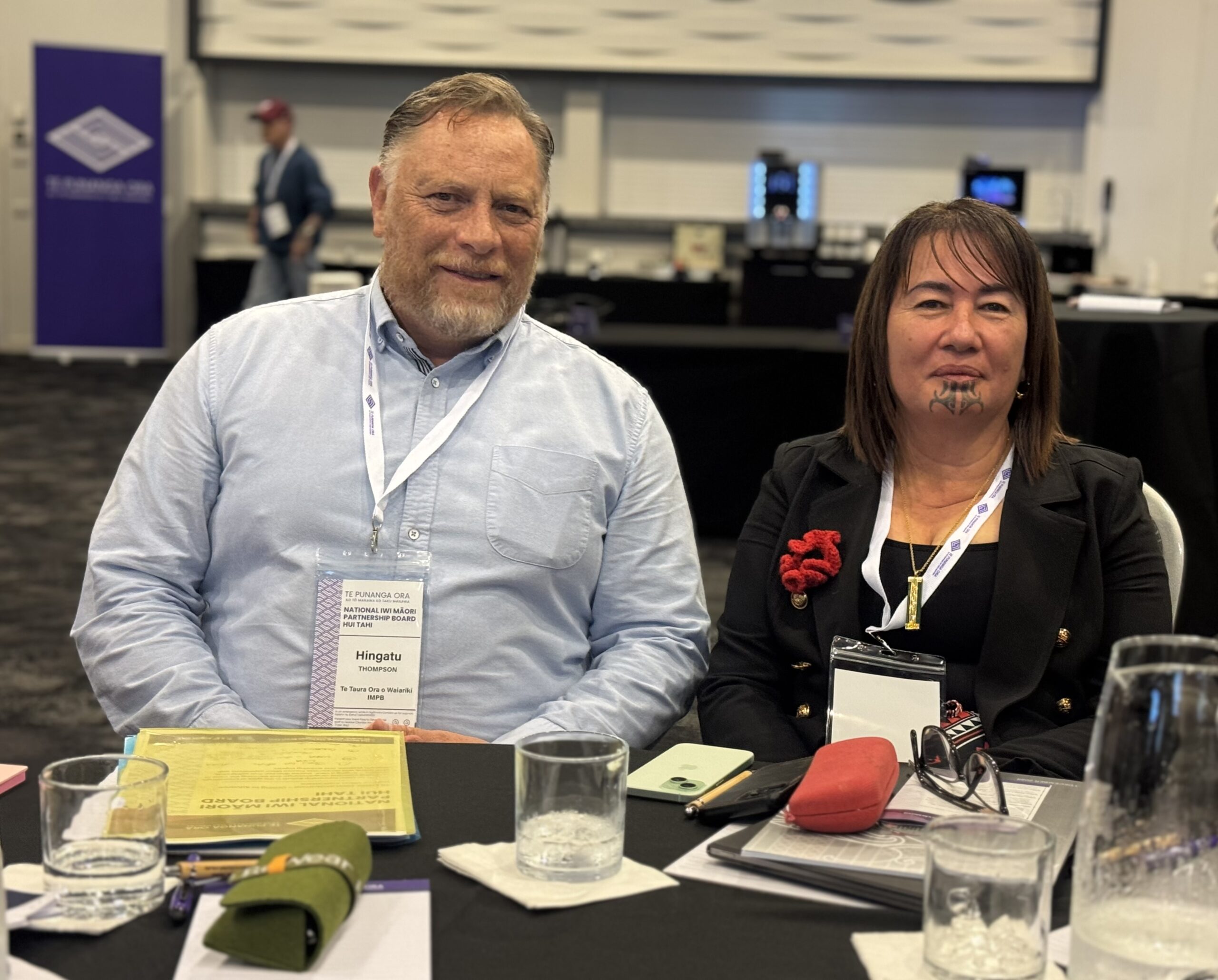
See the photo gallery below for a snapshot of the conference.
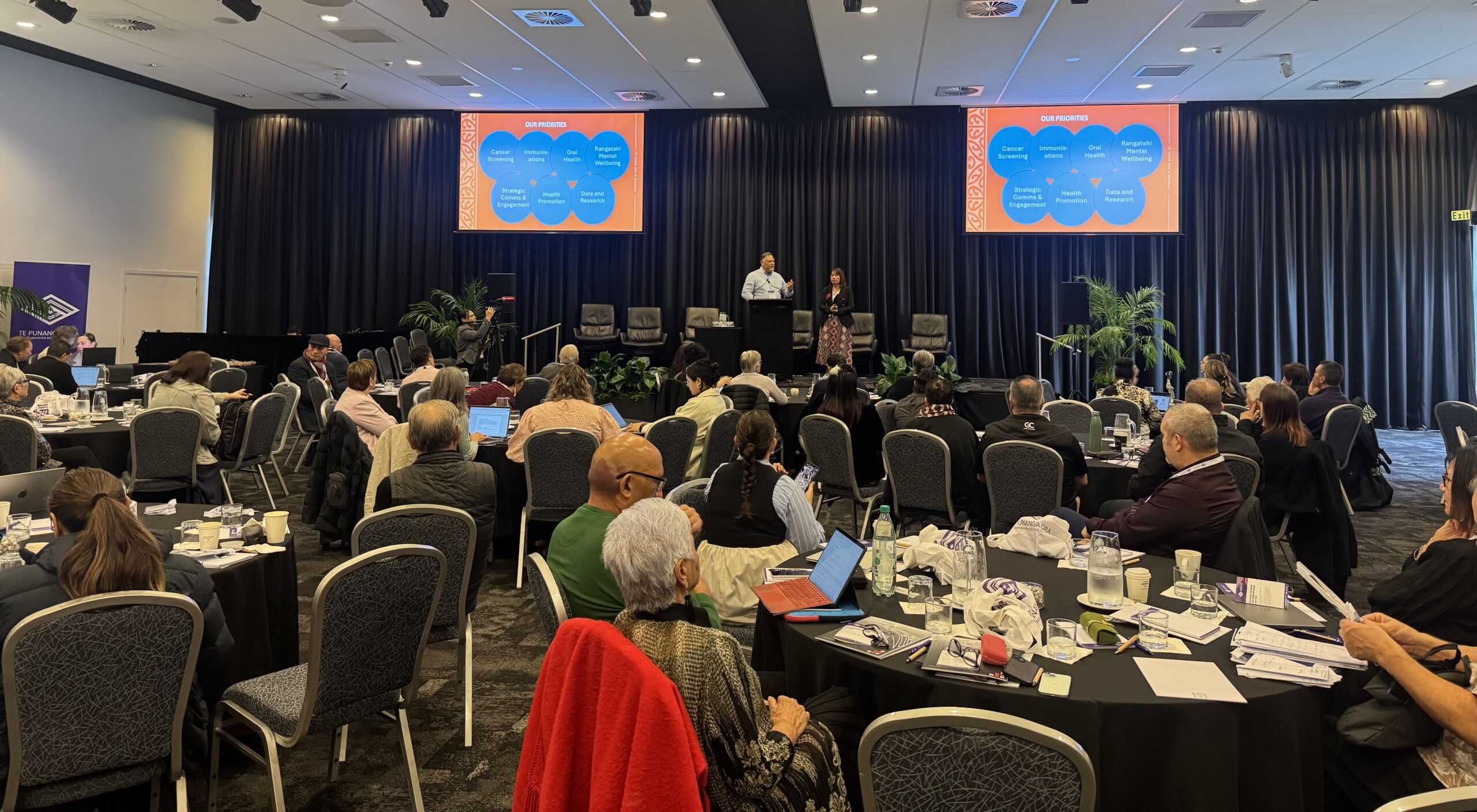
Māori voices silenced in health, again
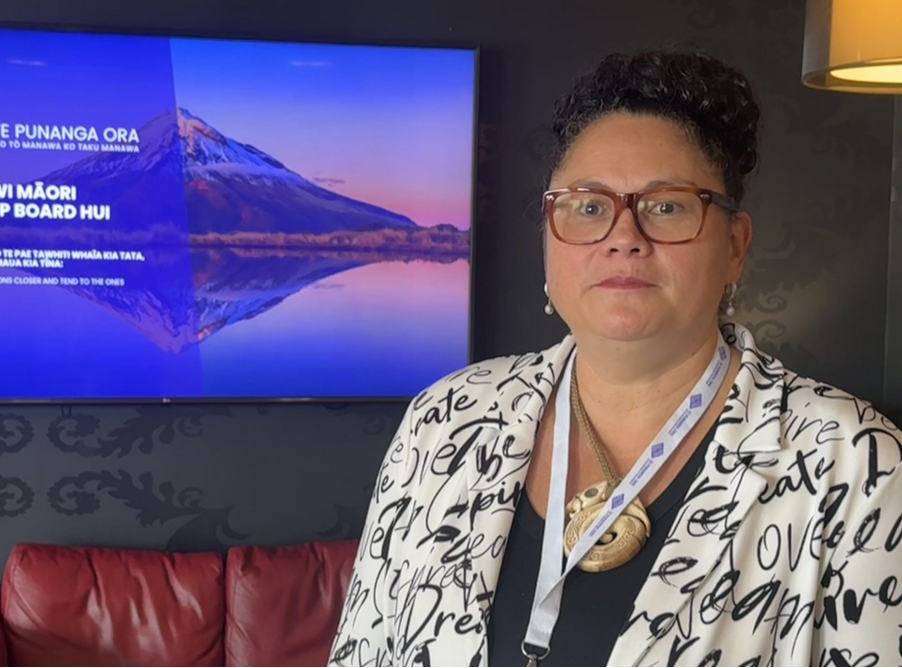
Cabinet has approved a suite of amendments to the Pae Ora (Healthy Futures) Act, including changes which the health minister says will “clarify” and “streamline” the role of Iwi-Māori Partnership Boards.
But the boards say it’s another structural attack designed to shut out Māori decision-making, writes Tūwharetoa board chair Louisa Wall.
The government’s Pae Ora amendment bill proposes to relegate Iwi Māori Partnership Boards (IMPBs) to “advisory status”.
IMPBs were established under the Pae Ora Act in 2022 to ensure the health needs and priorities of Māori communities are met. Boards can commission services, set priorities, and monitor performance.
Under proposed changes to the act, the boards will report only to the Hauora Māori Advisory Committee, which provides advice as requested by the Minister of Health.
We will no longer be tasked with local service design and delivery. Instead, our job will be to “engage” and “advise”. These changes take us from active partners to passive recipients.
This is not partnership. It’s the erosion of partnership by bureaucratic design.
At our recent national hui, we rejected these new constraints. Our boards are not community noticeboards or consultation panels.
We are iwi-led system partners with both the capacity and the accountability to shape investment, monitor performance, commission kaupapa Māori services, and hold the health system to account to save lives.
Without empowered IMPBs, Māori health equity will remain out of reach.
This is a national issue that affects everyone. When the system fails Māori, it fails us all.
That’s because structural inequities are not only unjust, they’re inefficient. A health system that sidelines local expertise wastes resources, reduces responsiveness, and entrenches poor outcomes.
The reason our boards were formed in the first place was to make access — and early access — to the health system possible for Māori. That’s what we’ve been focused on.
We provide the most direct path to ensure investment decisions are grounded in the realities of our communities. That is what gives the system integrity.
Our national hui this week affirmed that IMPBs are seeking partnership. Authentic, equitable partnership where responsibility is shared.
Our kōrero reminded us that Te Tiriti is not symbolic. It establishes mutual responsibilities between the Crown and Māori. To diminish our boards’ role is to undermine the very essence of the partnership promised under Pae Ora. We cannot allow structural disempowerment to be disguised as reform.
Our collective call is clear:
- Restore and strengthen IMPBs’ statutory functions under sections 29 and 30 of Pae Ora.
- Activate section 90 to give IMPBs the power to nominate Māori members to the Hauora Māori Advisory Committee.
- Resource IMPBs properly so we can lead commissioning, planning and monitoring with integrity.
- Require Te Whatu Ora to engage in genuine co-design, not consultation after the fact.
As we left the hui, one phrase echoed in my mind: “Whakakotahi te ngākau.” Uniting our hearts. Kotahitanga gives us strength.
The future of hauora Māori can’t be decided in Wellington offices alone. It must be shaped by iwi and hapū at the flaxroots, in partnership with the Crown, accountable to whānau, and driven by the vision of healthier, stronger communities for all.
The latest iteration of changes is designed to diminish our role, but we are servants of our people.
All of us have a mandate from hapū and iwi to represent our whānau voices, so we will continue to do that in spite of this government.
That is the promise of Pae Ora. That is the promise we intend to uphold.
Submissions on the proposed amendments close on August 18.
Article by: Louisa Wall
Original Source: https://e-tangata.co.nz/comment-and-analysis/maori-voices-silenced-in-health-again/
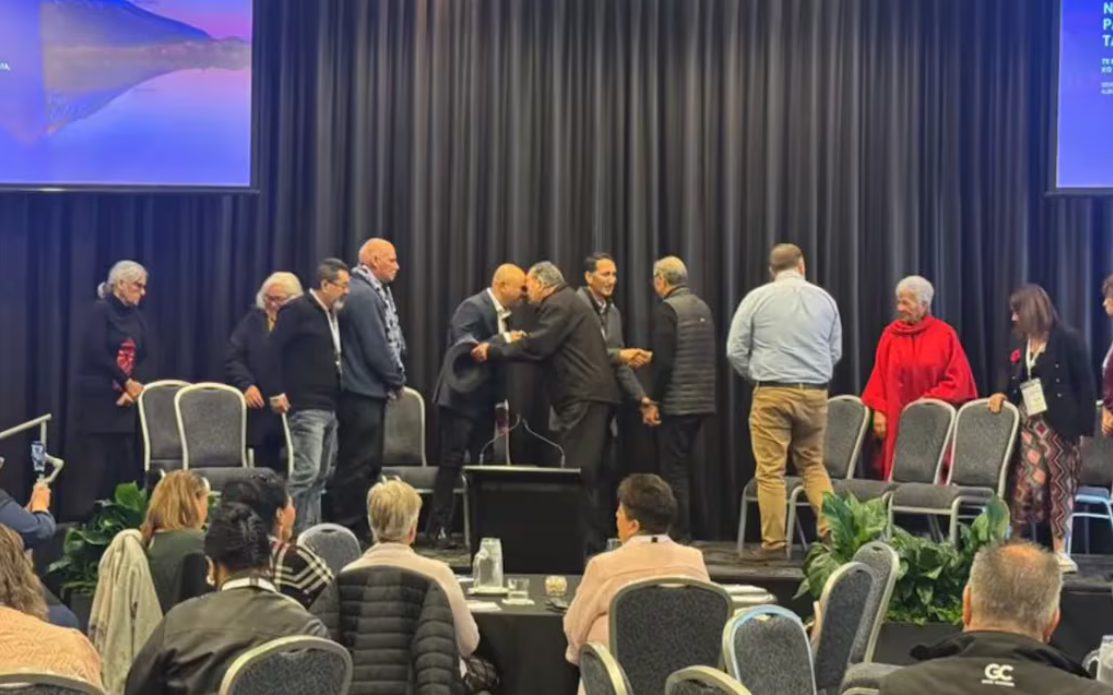
Iwi Māori Partnership Boards concerned their role minimised under Pae Ora Act changes
This article was first published on RNZ.
Iwi Māori Partnership Boards are concerned changes to the Pae Ora Act minimises their role.
A national hui hosted by Te Punanga Ora in Taranaki brought all 15 Iwi Māori Partnership Boards (IMPBs) together for the first time since their establishment in 2022.
The gathering followed the first reading of the Pae Ora (Healthy Futures) Amendment Bill which is set to ‘rebuild the health system’.
There are four things within the proposed changes that Hingatu Thompson from Te Taura Ora o Waiariki IMPB wants the government to reconsider.
“One is we don’t agree that te Tiriti should be removed out of all legislation. The second thing is, there is a Hauora Māori Advisory Committee (HMAC), we support them having a national role, but we think they should be accountable to iwi and we can provide that channel.
“The third thing is there’s a Māori health strategy still within the Act, and we just want to endorse that. There’s no way New Zealand is going to achieve improvement in Māori health without having a plan.”
His fourth concern was the role of IMPBs. Thompson said if their roles were taken away, it would be harder for Māori health to improve.
“It’s about the Treaty relationship, te Tiriti o Waitangi, how Māori engage with the Crown to ensure Māori are well and to make sure there is a difference for all of the inequity that we see because Māori do die younger. We do have access to the same services, but the outcomes are worse.”
It was announced last week that life expectancy for Māori had increased more than any other ethnic group in New Zealand, but the 3.1 year increase still kept Māori at the bottom of the rung.
“It would be interesting to see where those statistics are generated from,” Te Pununga Ora deputy chair Mitchell Ritai said.
From heart conditions to gout, Ritai said certain medical conditions contributed to Māori dying earlier than non-Māori.
“These are all historical issues and we need a system that helps to ensure that these inequities that we’re experiencing as Māori are addressed in the correct way.”
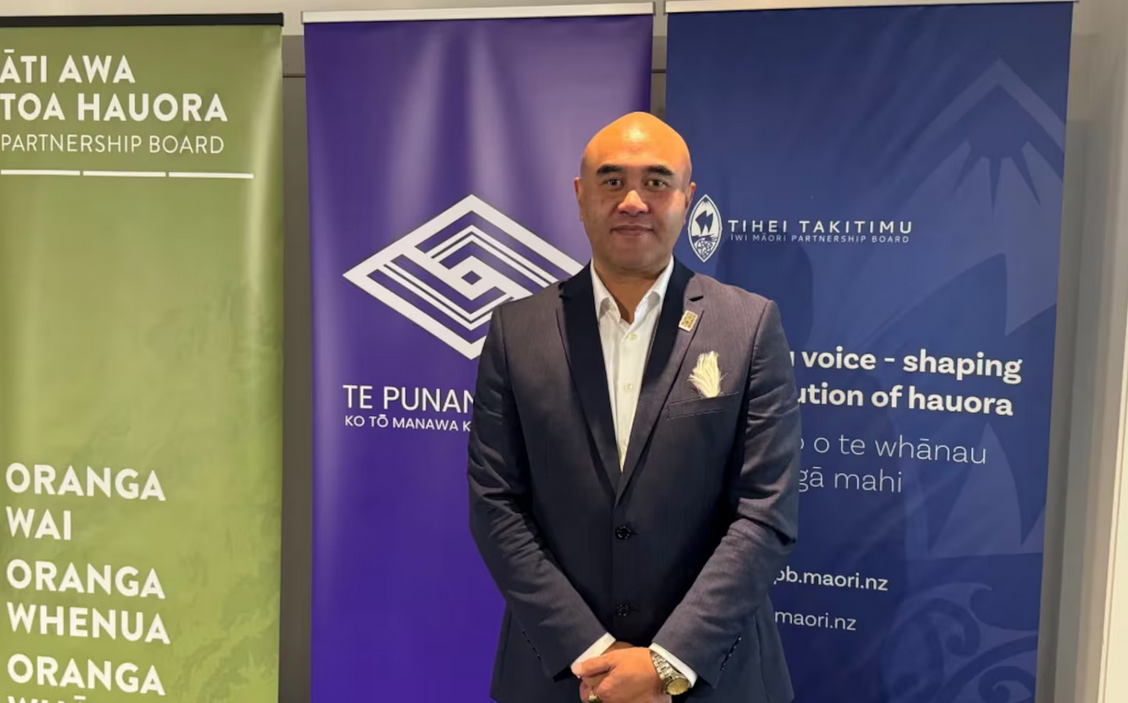
He believed it should be up to local people in communities who should lead the way.
“Interventions, programmes, initiatives to help improve health statistics should be led locally. The change to the Pae Ora Act stops that and that’s one of our concerns is that our voice, and the voice of our whānau, may potentially be silenced with these amendments.”
It was through the Tino Rangatiratanga clause under article two of te Tiriti o Waitangi that got IMPBs off the ground, Ritai said, it was an ability for Māori to have a direct connection to decision makers at a local level around addressing health inequities for Māori.
Te Pāti Māori co-leader Debbie Ngarewa-Packer said the Pae Ora legislation was the last of the changes that the “government has made to strip out te Tiriti, to strip out equity approaches to Māori health”.
“It’s gutting for a lot of entities that have been around forever and tried the mainstream health way and seen how it’s failing Māori.
“The sadness is that we’re tangata whenua. We’re the indigenous peoples of Aotearoa. And the government doesn’t think that we’re worth protecting. It’s quite heartbreaking when you look at the level of commitment that iwi have given.”
With the backing of whakapapa and mana, IMPBs are iwi-led and iwi-appointed, therefore they hold aspirations within each of the regional iwi, Ngarewa-Packer said.
“What we’ve been trying to do is go out to create health services in a regional bespoke way that makes sure that you can either go out to marae or go to the kaumātua wānanga, be where rangatahi are and deal with it as best suits for those communities in a regional sense.
“And that’s what the Iwi Māori Partnership Boards are mandated to do… advise and determine where investment should be.”
Public submissions on the Healthy Futures (Pae Ora) Amendment Bill close Monday, 18 August.
By Emma Andrews of RNZ.
Original Article: https://www.teaonews.co.nz/2025/08/10/iwi-maori-partnership-boards-concerned-their-role-minimised-under-pae-ora-act-changes/
Iwi gather to oppose centralised health reforms

A prominent Taranaki Māori leader has warned the implementation of proposed health reforms would lead to a rise in negative health outcomes for Māori.
Fifteen Iwi-Māori partnership boards, representing nearly one million Māori from around New Zealand, are meeting in New Plymouth for a two day hui to oppose proposed changes to the Pae Ora (Healthy Futures) Act.
Mitchell Ritai, the deputy chair for Te Punanga Ora, the partnership board for Taranaki, said iwi were concerned about how the changes proposed under the Healthy Futures (Pae Ora) Amendment Bill 2025 would impact Māori.
Ritai said he feared the changes would reduce the ability for Māori to develop suitable local programmes to target such intergenerational health issues as diabetes, heart disease and obesity.
“So, trying to break that initially is going to be real difficult when you don’t have the opportunity to have localised initiatives and localised programmes that really target that,” he said.
“What we’ll see is an increase in particular statistics, as we do now, such as in diabetes, obesity and heart attacks.”
He said a local response to Māori health needs was required because each area had its own different priorities.
A 2023 Health New Zealand status report showed that in Taranaki, Māori have higher rates of preventable chronic diseases such as cardiovascular disease, diabetes, stroke, chronic respiratory disease and certain cancers than non-Māori, which reflected national trends.
“Focusing on areas such as heart disease, elderly, tamariki as well are all important focus areas for us here in Taranaki.”
Ritai said following the hui, the boards would prepare a submission in response to the Bill by August 18.
“It’s important that we have a voice during this process. My preference is that we have greater dialogue with the Government, as opposed to trying to do that through a select committee process.”

Board representatives would hear from Te Pāti Māori co-leader Debbie Ngarewa-Packer, Green MP Hūhana Lyndon and Labour’s Dr Ayesha Verrall on Friday.
The iwi boards were established by the Government in 2022 to ensure the health needs and priorities of Māori communities were met.
With the disestablishment of the Māori Health Authority last year, Health New Zealand said the boards took on strengthened strategic commissioning roles locally.
The boards claimed proposed changes would reduce their statutory role in the health system and were concerned the reforms reflected a broader trend towards centralising control and reducing Māori governance.
The Government stated the Bill aimed to improve New Zealand’s health system by refining the roles of Health New Zealand and Māori health advisory groups to enhance service delivery and reduce bureaucracy.
It would focus on equity, engagement with Māori communities and align with health plans to provide timely and culturally responsive care, the Government said.
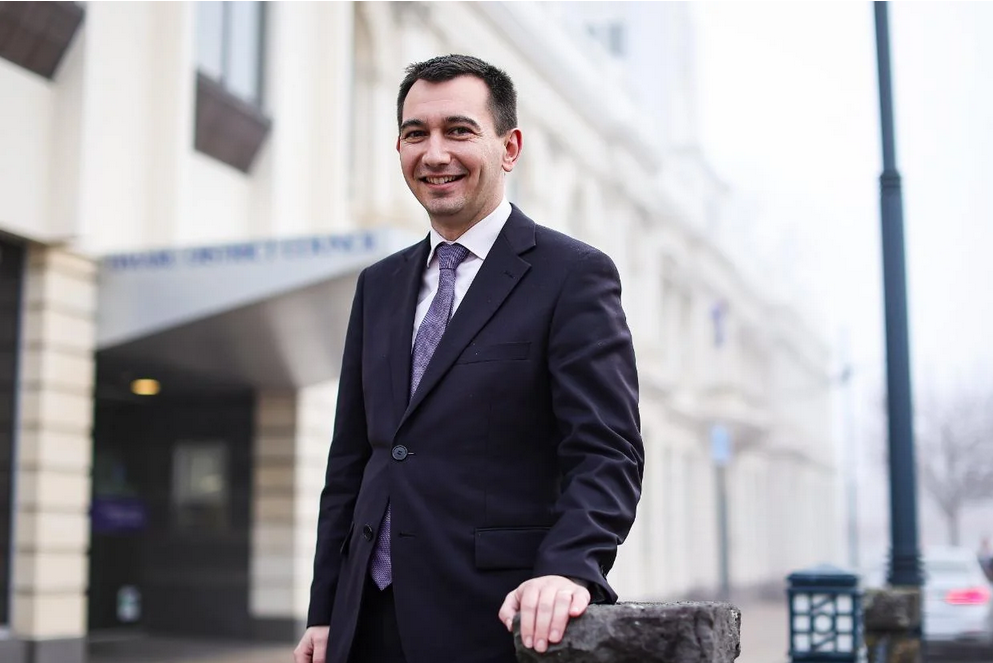
Health Minister Simeon Brownsaid in a press release the Government was focused on ensuring New Zealanders had access to timely, quality healthcare.
“These changes are about improving health outcomes by making sure the system is focused on delivery, not bogged down in doing the same thing twice. That means better care for patients through a more connected, transparent and effective health system,” he said.
The Bill passed its first reading in Parliament in July.
Article by Will Johnston [Taranaki Daily News]
Original Source: https://www.thepost.co.nz/nz-news/360783847/iwi-gather-oppose-centralised-health-reforms
All 15 Iwi Māori Partnership Boards pushing back
Waatea News Radio Interview
All 15 Iwi Māori Partnership Boards are meeting in Taranaki today to push back against the government’s proposed changes to the Healthy Futures (Pae Ora) Amendment Bill.
Original Source: https://waateanews.com/2025/08/07/mitchell-ritai-te-punanga-ora-impb/
IMPBs uniting against Pae Ora amendments in bid to protect Māori voice
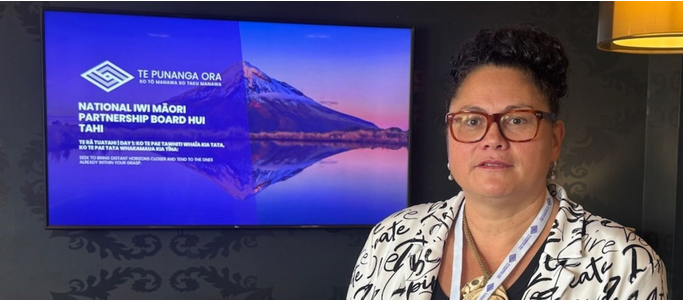
Leaders from all 15 iwi Māori partnership boards are in New Plymouth to present a united front against the Government’s proposed changes to the Pae Ora (Healthy Futures) Act 2022.
Speaking to media attending the hui this morning, Tūwharetoa IMPB chair Louisa Wall says the Government’s actions are “appalling”.
“We had a stunning relationship with our first minister, Peeni Henare, and then a stunning relationship with our second minister, Dr Shane Reti,” Ms Wall says.
“This minister hasn’t even met with us, so it’s appalling behaviour for our partners in the system who say they put patients first.”
But, given boards are now incorporated societies or charitable entities, she says they will continue pushing for system changes within their role regardless of any new legislation: “None of that will change, but it’s easier if we have a formal relationship.”
“This move silences our voices and severs a critical connection”
Proposed changes to act
The amendment bill, which will also change the act’s name to Healthy Futures (Pae Ora), takes away current board functions relating to business planning, service design and service monitoring, and replaces them with the single task of collecting the “whānau voice” on healthcare priorities.
This feedback will then be passed to the Hauora Māori Advisory Committee which will inform the new board of Health New Zealand Te Whatu Ora.
The amendments are also likely to include the creation of new IMPBs for Tūhoe and the Chatham Islands.
Critical connection severed
In a media release, Hiria Te Paki, chair of hosting Taranaki IMPB, Te Punanga Ora, says the amendments reduce boards from active partners to passive recipients and undermine long-standing partnerships: “Telling us after the fact is not consistent with Te Tiriti o Waitangi.
“This move silences our voices and severs a critical connection between Māori communities and the health system,” says Mr Te Paki.
“Māori are still dying, on average, seven years younger than non-Māori. Diluting our leadership and input will only deepen these inequities.”
Ms Wall, a former Labour Party MP, says the dilution of the IMPB role undermines the health system and shows achieving equity is no longer a priority: “(The Government), I guess, will put (the health system) back to first come, first serve. Whoever knows the system is going to be able to access the services…”
Parliamentary debate kicks off
The amendment bill was presented to Parliament for its first reading by health minister Simeon Brown on 22 July.
In the Hansard report of the debate Mr Brown, when presenting the bill, says the changes bring “greater focus” to the role of IMPBs, while HMAC, which is made up of members appointed by the minister who work part-time and meet monthly, will have “a clear statutory function”.
In response, Labour Party health spokesperson Ayesha Verrall says the changes are ideological and will cause “a terrible loss of Māori voice, and our health system will be worse for it”.
Te Pāti Māori co-leader Debbie Ngarewa-Packer stood “in fierce opposition to this ridiculous bill” which she says goes against the advice of healthcare experts.
“I can’t wait to get the opportunity in government in 2026 to repeal this bill fast as we can.”
National MPs defend bill
After National Party MP and health select committee chair Sam Uffindell called Ms Ngarewa-Packer’s speech “the worst I’ve ever heard in the House” his colleague, specialist GP Vanessa Weenink, attacked the previous Labour Government’s reforms as an “omnishambles” that disrupted decision-making and communication: “No one has had either the authority, or, frankly, temerity to make any decisions, and the responsibility for the consequences of that have been opaque as well.”
The bill has been sent to Parliament’s health committee for public submissions and is scheduled to be reported back to the house by 24 November.
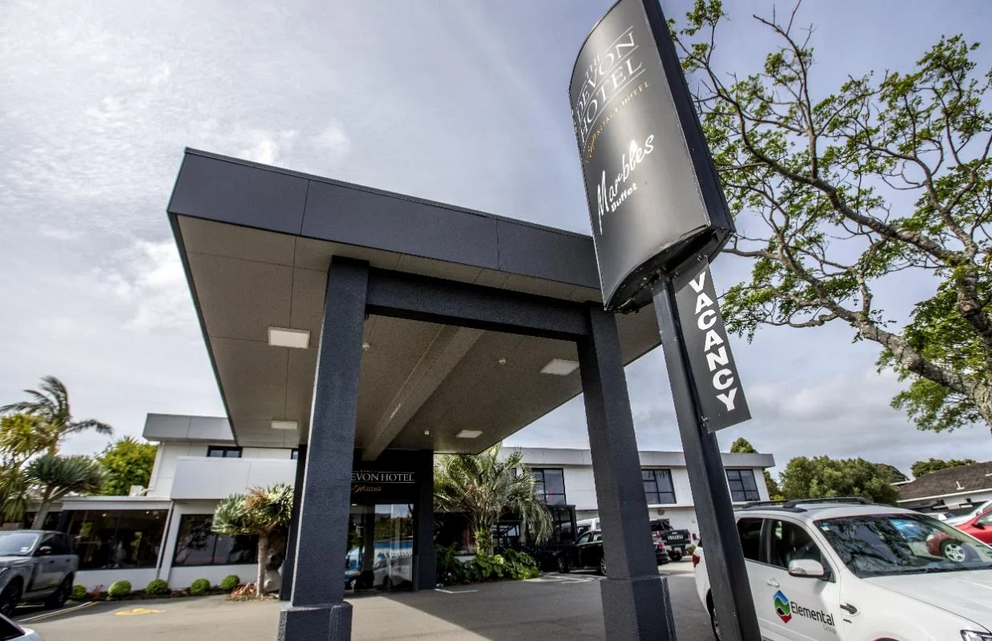
The National Iwi Māori Partnership Board Hui Tahi is being held in New Plymouth’s Devon Hotel from 7 –8 August.
Article by: Alan Perrott
Original Source: https://www.nzdoctor.co.nz/article/news/impbs-uniting-against-pae-ora-amendments-bid-protect-maori-voice?check_logged_in=1
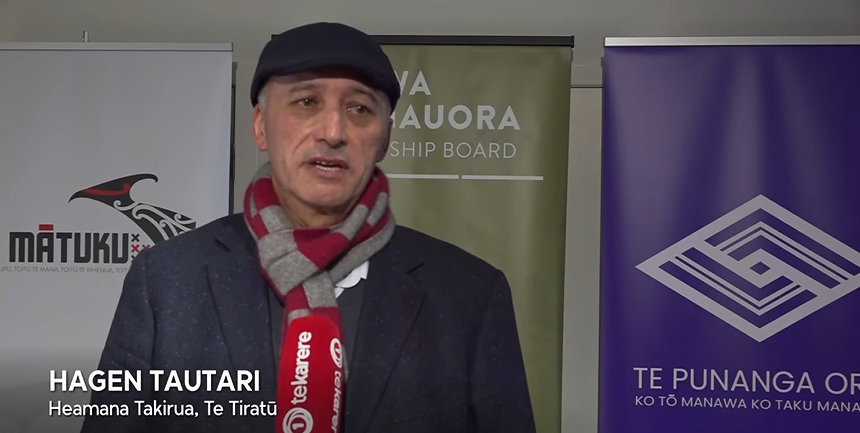
Iwi leaders unified in opposition against Pae Ora (Healthy Futures) Bill changes
Māori leaders have come together in Taranaki to oppose proposed changes to the Pae Ora (Healthy Futures) Bill, which they say will undermine their role in the health system and threaten hard-won gains in Māori health equity. Lineni Tuitupou was there.
Original Source: https://www.facebook.com/watch/?mibextid=wwXIfr&v=1926571778183675&rdid=5UCyfaiXo9YTCpqD
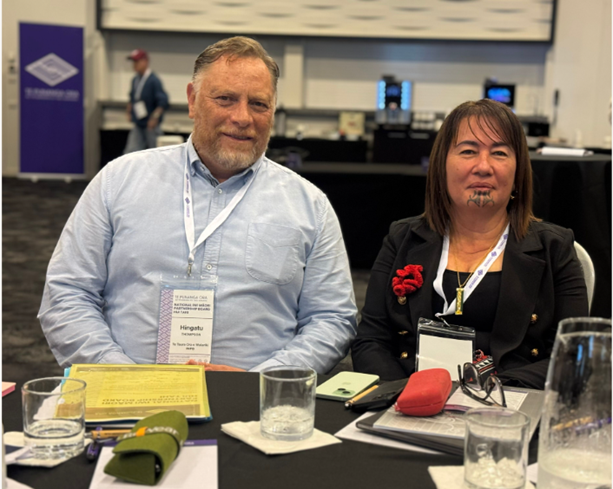
Te Taura Ora Defends Māori Voice in Health Reforms
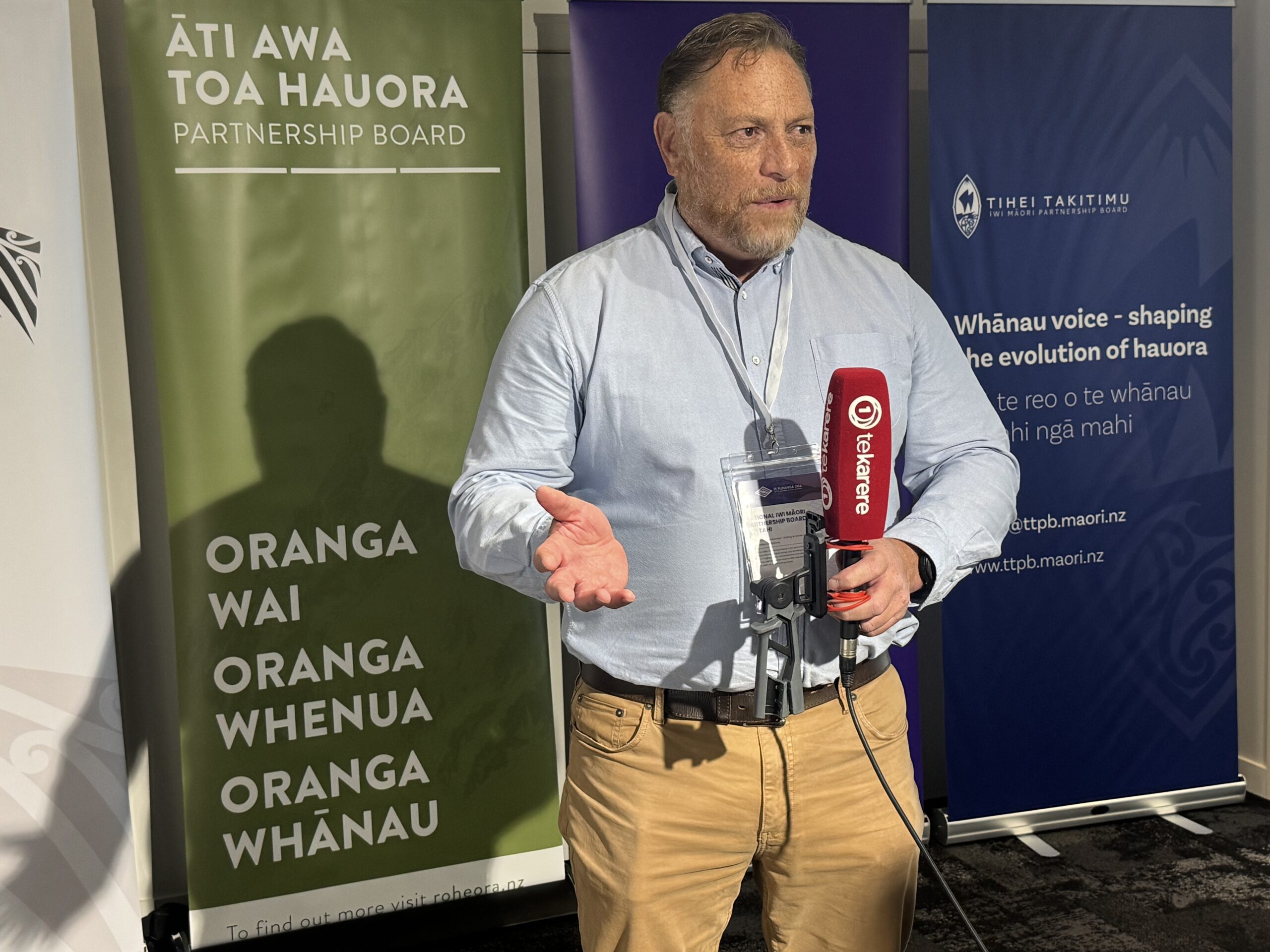
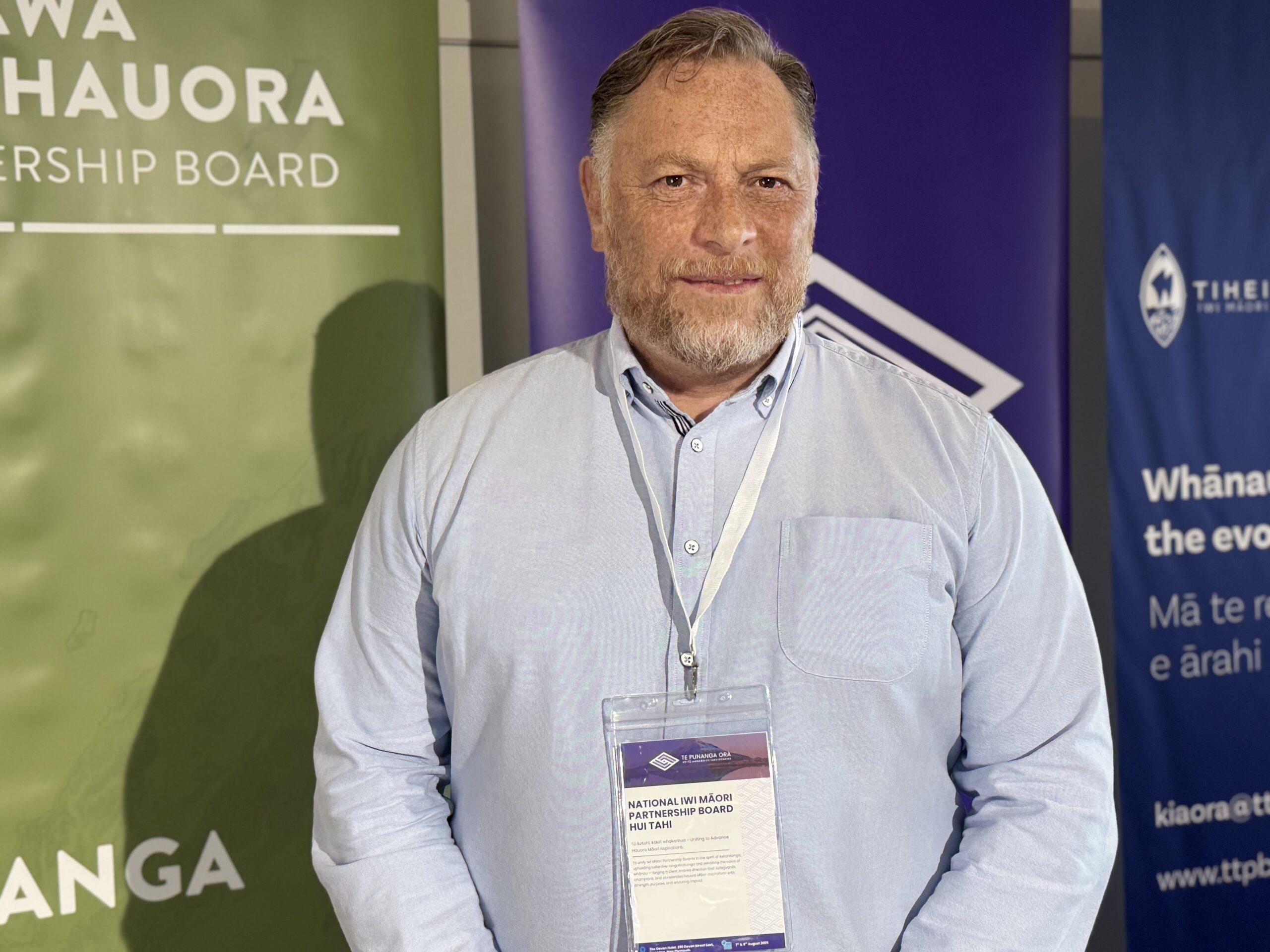
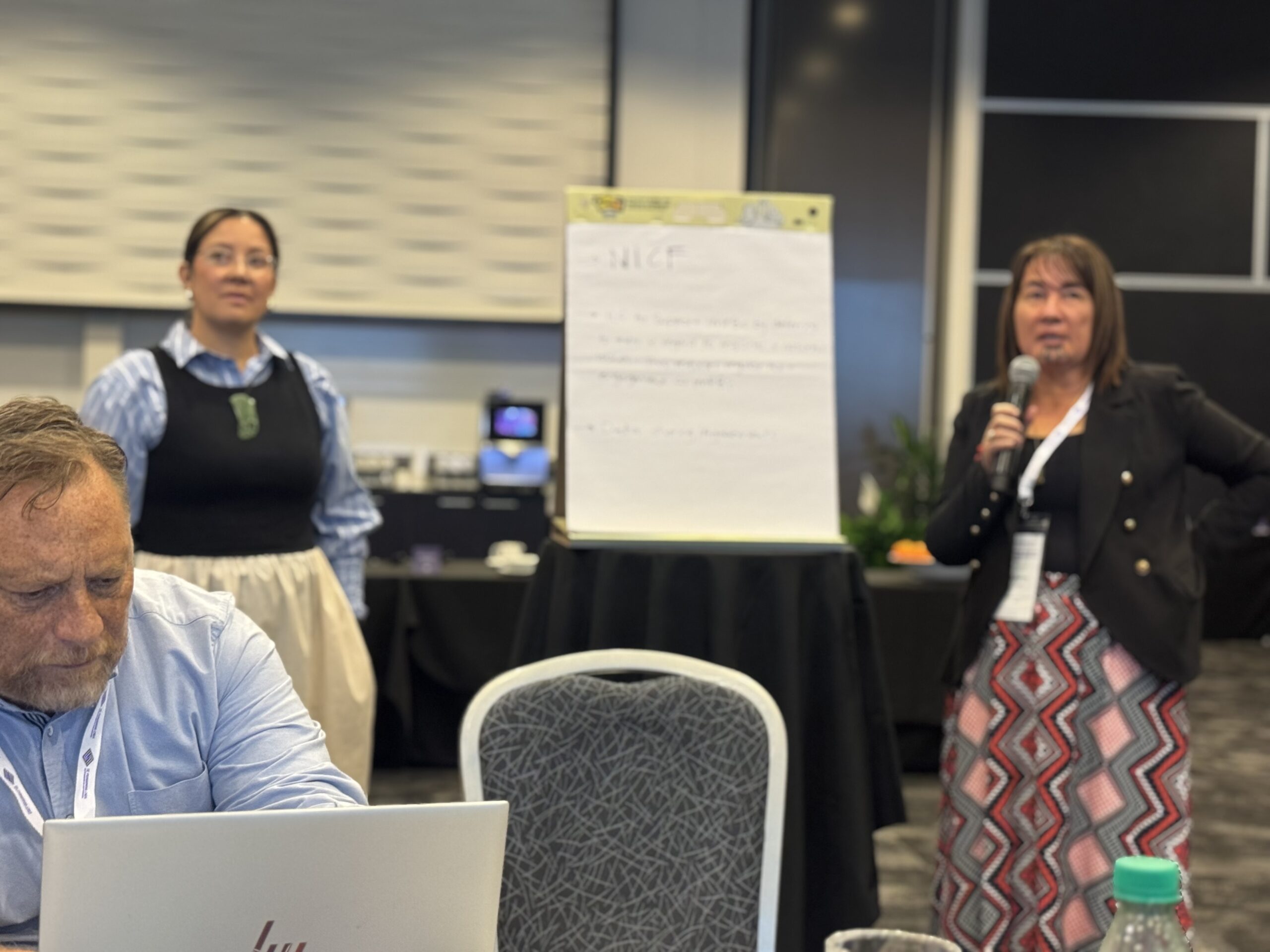
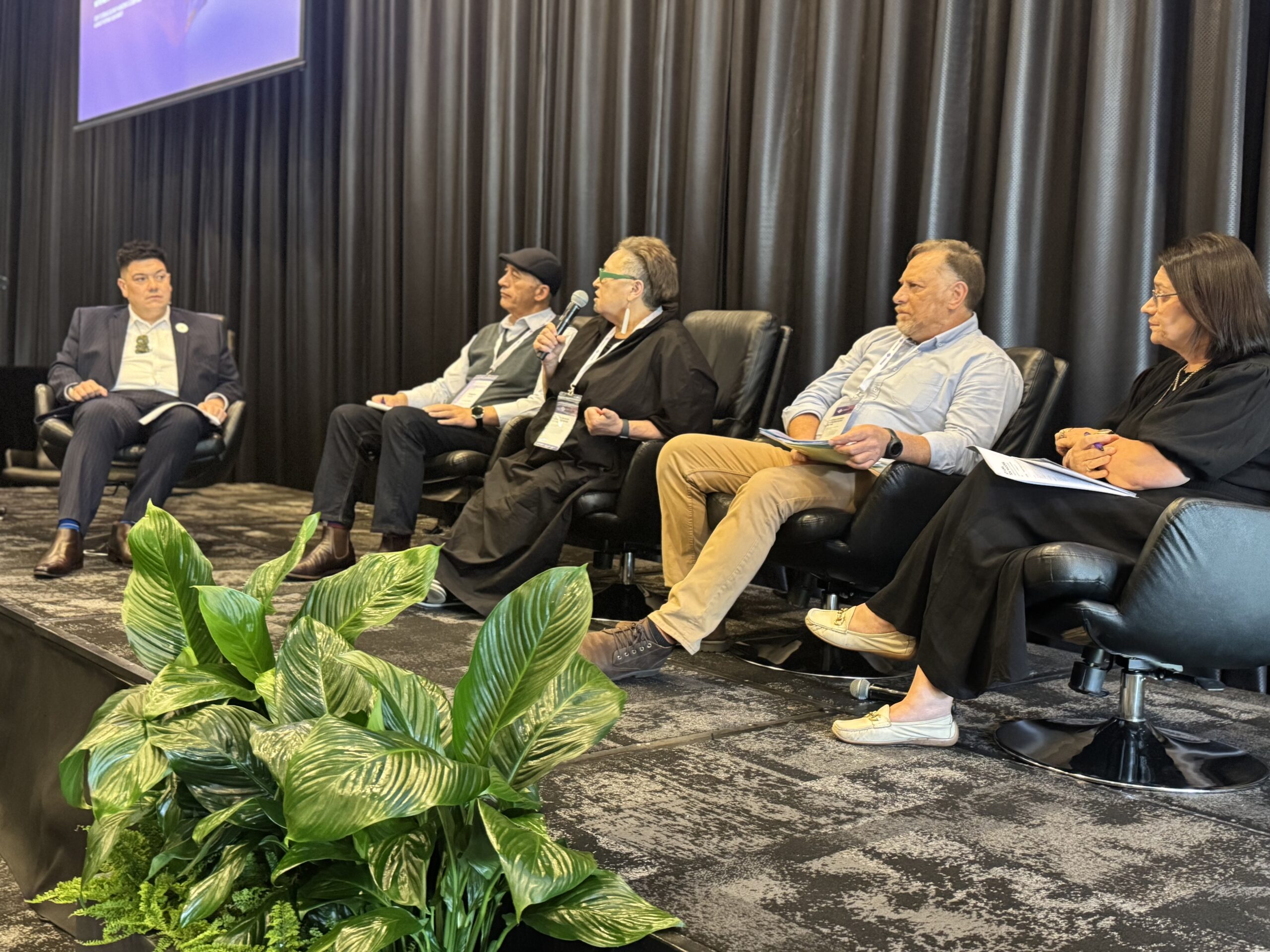
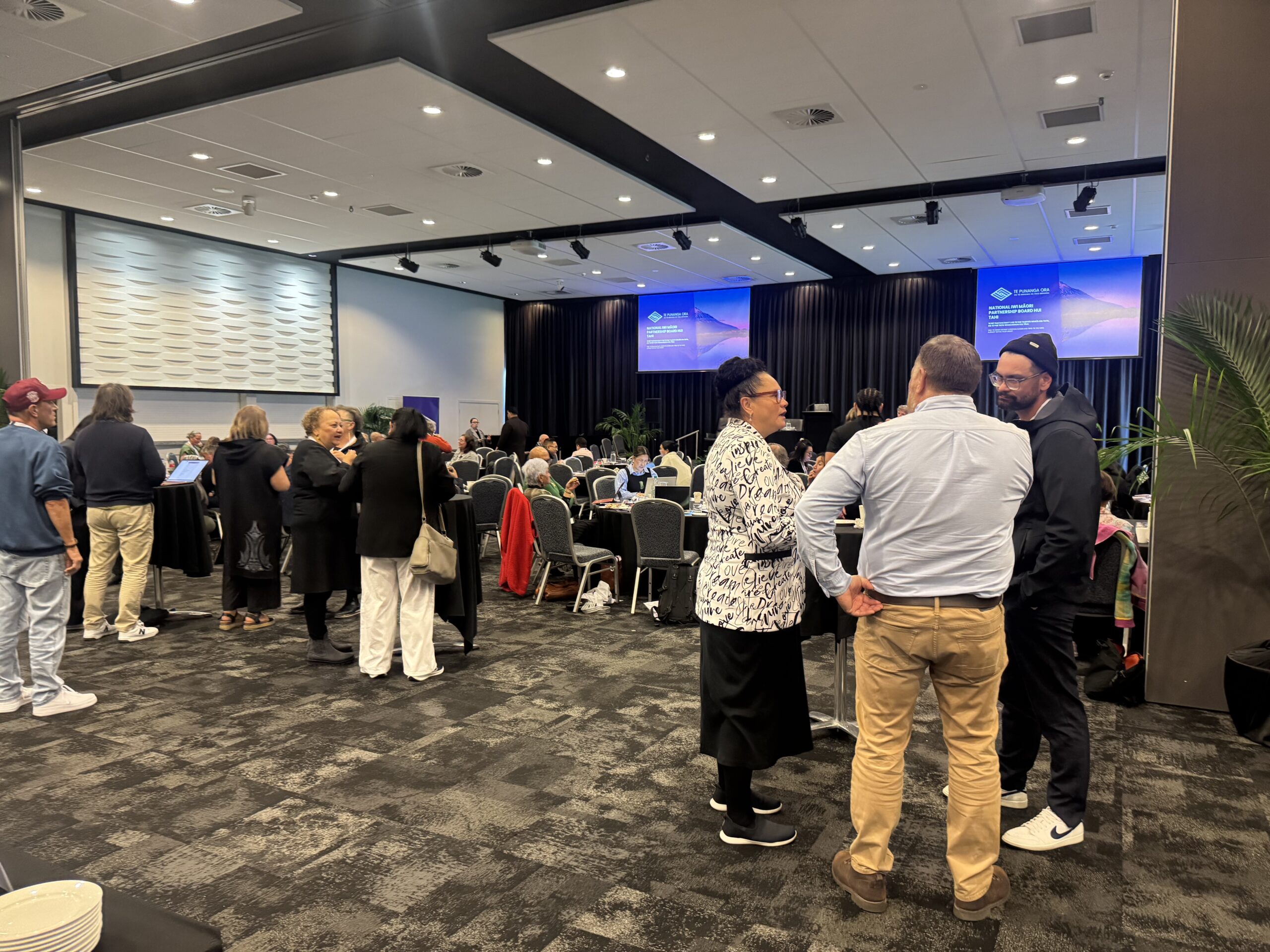
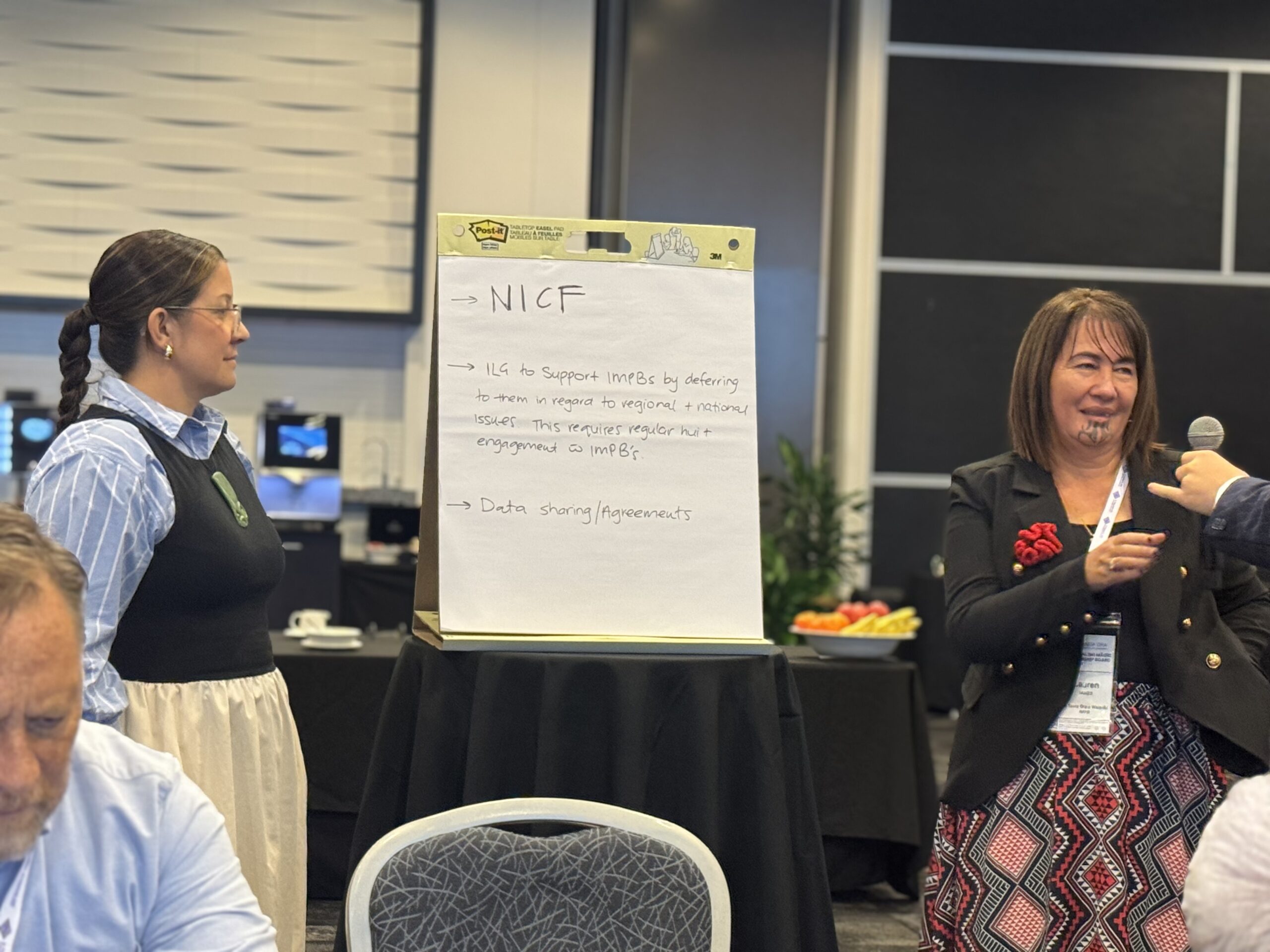
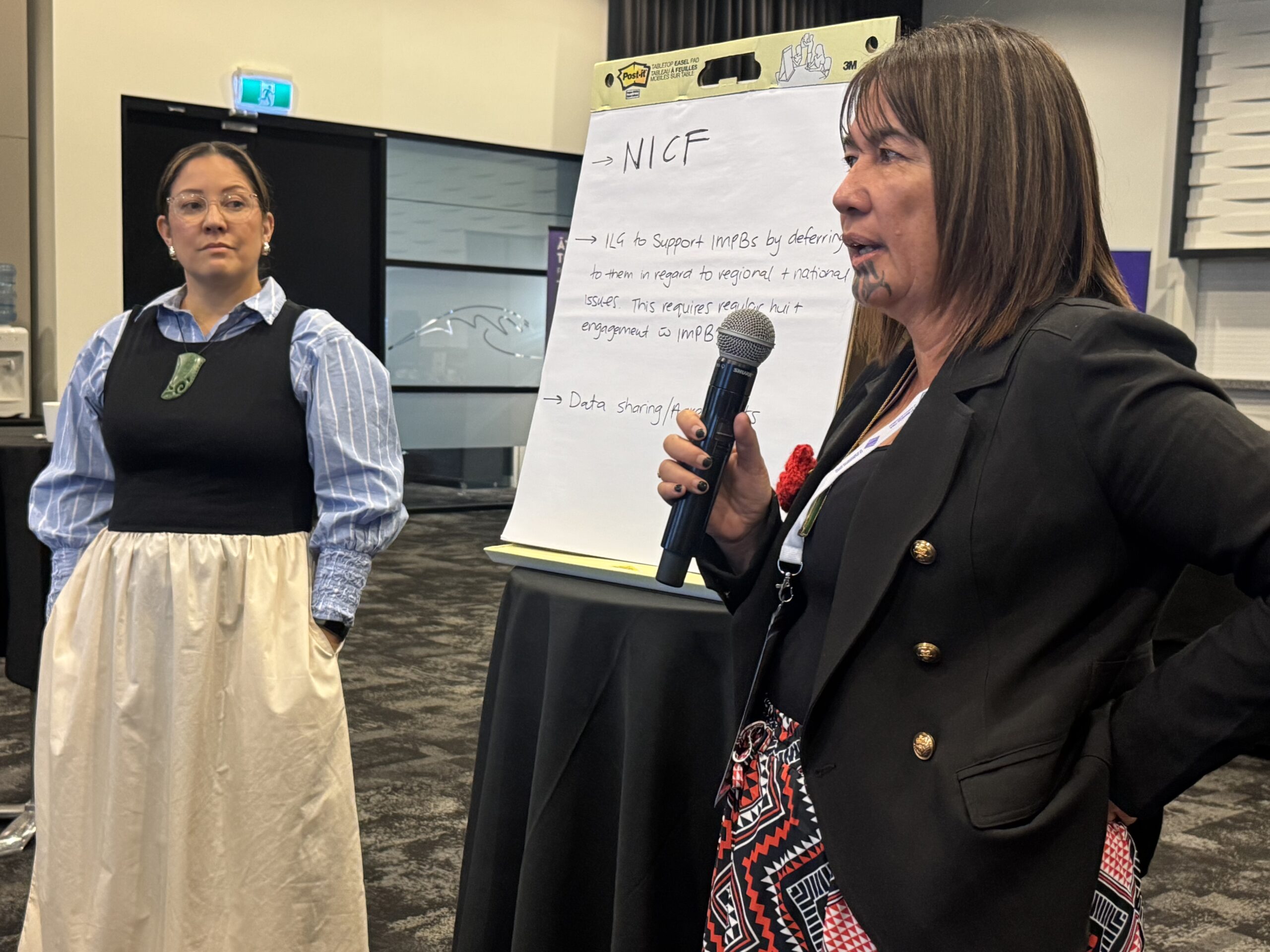
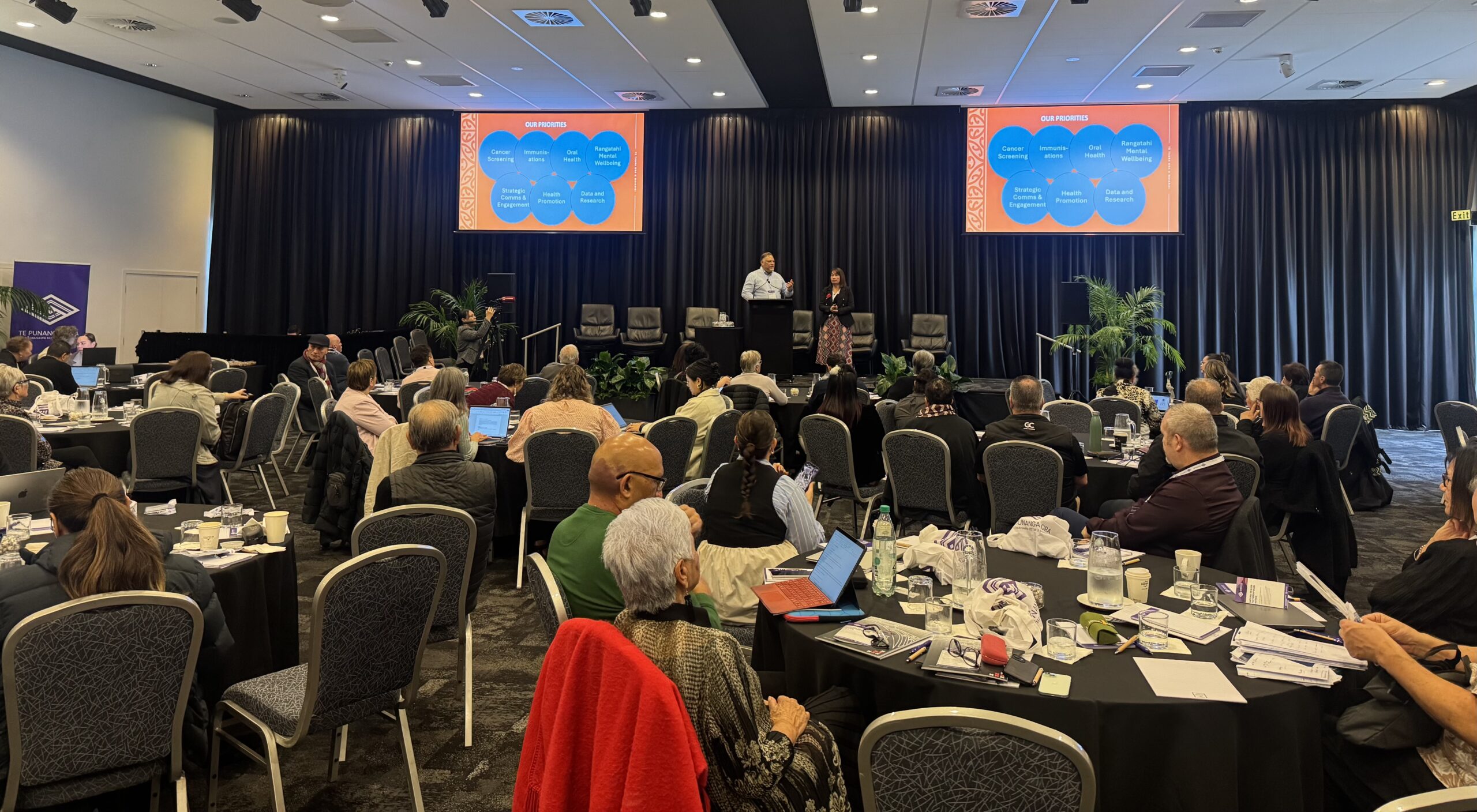
Te Taura Ora o Waiariki joined all 15 Iwi Māori Partnership Boards (IMPBs) this week at a historic hui hosted by Te Punanga Ora in New Plymouth, Taranaki. The gathering brought together representatives of around 914,400 Māori across Aotearoa to respond to proposed reforms under the Pae Ora (Healthy Futures) Act, which would significantly reduce the statutory role of IMPBs in the health system.
The proposed changes would remove the boards’ monitoring powers, a critical function that ensures health services are accountable to Māori communities and responsive to local needs. Te Taura Ora o Waiariki Chair, Hingatu Thompson, emphasised the importance of iwi-led engagement and local influence.
“The opportunity of the IMPB is to make a difference in hauora, and that will be minimised by the Crown if they stop opportunities to engage. We want to work locally because that is where we can make a difference for our people, for Te Arawa, and for Māori within our rohe,” he said.
Hingatu also warned against how the government is reducing Māori engagement. “Streamlining, I believe, is a convenient word to reduce engagement in Māori. The government says the changes won’t have much impact on Māori outcomes, but the system is only now starting to show results. We’re starting to engage locally, starting to work more with Health NZ leadership, and that is where we can make a real difference.”
Fellow Board member, Lauren James facilitated a panel kōrero, opening with a vision for the future.
“As Māori, we’ve been talking about the devolution of health services for decades. It’s time we got serious and started demanding it now. We don’t just want services delivered to our communities because we can deliver them better ourselves, with better outcomes for our people. Devolution has to be a priority, across public, private, and philanthropic sectors,” she said.
Reflecting on the role of Te Arawa and the wider iwi network, Hingatu said: “As we analyse and monitor what the sector is doing for Māori, it’s clear it hasn’t been performing well, something we’ve known for years. But the mana has returned to Te Arawa, allowing us to form our own views, interpret the data ourselves, and gather our own information.”
He opposed the Pae Ora Bill, saying, “The changes the government is proposing would actually remove iwi from having a say in how hauora is shaped. Locally and regionally, it’s essential that iwi have the space to provide our own input.”
The two-day hui included a pōwhiri, keynote addresses from a representative of the Hauora Iwi Leaders Group from the National Iwi Chairs, workshops, panel discussions, and strategy sessions. The collective affirmed their commitment to upholding tino rangatiratanga as guaranteed under Article Two of Te Tiriti o Waitangi.
Te Taura Ora o Waiariki, alongside fellow IMPBs, remain steadfast in protecting Māori leadership and accountability in the health system, advocating for local voices to be at the centre of decisions that affect Māori whānau and communities.
Media Liaison: Sarah Sparks Email: Sarah.sparks@sparksconsulting.co.nz Mobile: 021318813