
Lack of partnership in health sector changes - Iwi Partnership Boards
Iwi Māori Partnership Boards (IMPBs) are concerned their role in the health system will be reduced under the government’s Healthy Futures (Pae Ora) Amendment Bill.
The Health Select Committee released its final report on the bill in November, recommending it be passed. It is expected to have its second reading in the coming months.
Minister of Health Simeon Brown said the changes being made were focused on ensuring a clearer structure that delivered better results, including for Māori, and a key part of this is clarifying the role of Iwi Māori Partnership Boards.
The 15 regional Iwi Māori Partnership Boards were set up in 2022 to ensure the voices of Māori are heard in healthcare decision-making and improve hauora outcomes for Māori.
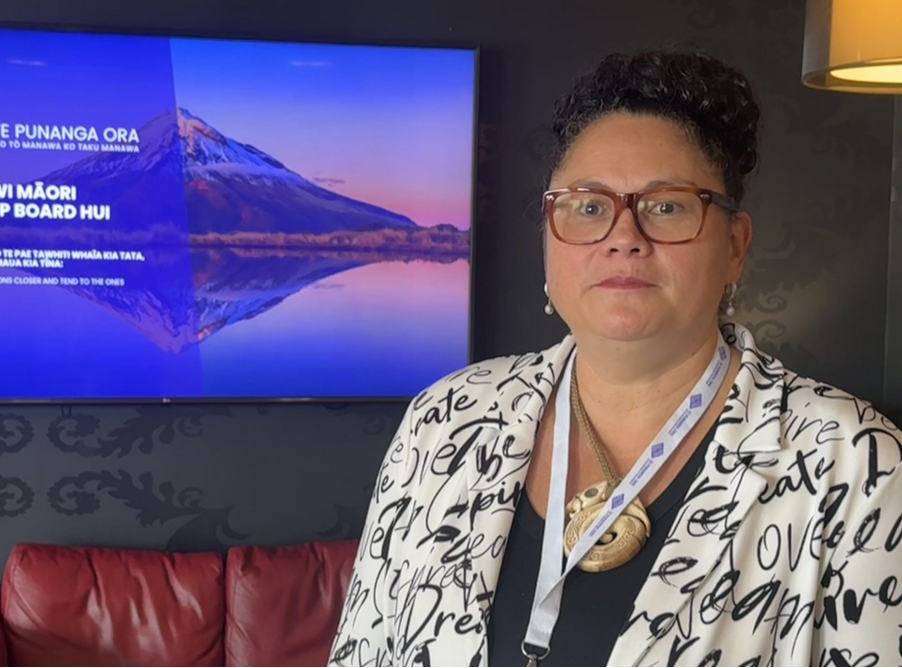
Te Kāhui Hauora o Te Tauihu covers the top of the South Island, its Pouwhakahaere Dr Kim Ngawhika said currently IMPBs have three main functions: first to provide a whānau voice, second to monitor the health system and third to work with Health NZ in developing priorities for improving hauora Māori.
Under the Pae Ora amendments those functions would be reduced to one, providing a voice for whānau, she said.
“It does kind of put us on the outer as far as partnership is concerned, we’re still there, we’re still going, but is has reduced our responsibility considerably.”
Ngawhika (Kāi Tahu, Kāti Mamoe, Te Arawa) said it feels as if the partnership is being reduced as much as possible without shutting down the IMPBs outright.
“Of course we will adapt, Māori have always adapted, as governments come and go we remain. Our focus for Te Kāhui is our whānau voice.”
Ngawhika said the focus for the IMPB remains on working with whānau and continuing to engage in the health system despite the uncertainty of what the future holds.
When Te Aka Whai Ora, the Māori Health Authority was disestablished the IMPBs took on some of its responsibilities, and the previous Health Minister Dr Shane Reti indicated that they would be empowered to take on a much broader remit. https://www.rnz.co.nz/news/in-depth/514549/how-the-coalition-plans-to-replace-the-quickly-scrapped-maori-health-authority
Ngawhika said there was some great encouragement from Reti in his initial contact with the IMPBs during what was a time of uncertainty.
“There was a lot of work that happened in that time and it was a time of great change too because Te Aka Whai Ora was being disestablished and I think that the Iwi Māori Partnership Boards just put their heads down and got on with that piece of work.”
The Manahautū of Wellington IMPB Āti Awa Toa Hauora, Hikitia Ropata is concerned that the IMPBs will lose their direct relationship with the Minister of Health under the changes, which would see the Hauora Māori Advisory Committee (HMAC) providing advice to the Minister instead.
But as Ropata (Ngāti Toarangatira, Te Āti Awa, Ngāti Raukawa, Ngāti Porou) notes, the members of HMAC are appointed by the Minister.
“So what we want is the opportunity to influence at that really regional, local level. I know there are public servants working hard to try and enable that to happen. But when your legislative framework changes so much, it’s hard to keep the faith in a system when you know you want the best for your people.”
The IMPBs have now been around for three years now and in that time have worked hard to build relationships both with the communities they serve and with Health NZ, she said.
“At the end of the day, I think that IMPBs have a better crack at building trust and getting information from our own people than if health officials go out and try and do it.”
Ropata is also concerned that among the raft of changes the Bill also strips key health sector principles designed to address inequities by removing the requirement for the Government Policy Statement (GPS) to consider any national health strategy.
These strategies, such as the Māori health strategy and Pacific health strategy, provide important evidence and data and Ropata is worried the health system will “lose its compass” without them.
“If we can’t use that evidence and that data for our way forward, how the heck are we going to know where we’re heading, how the heck are we going to achieve better equity for our people in our community? Our people, iwi and Māori people in our local areas, but also everyone.”
The amendment breaks the link between long-term health planning and the political direction of the day, she said.
“Basically, IMPBs could be left monitoring ongoing inequities for the government, but not have it influence what the government aims to do in its government policy statement.”
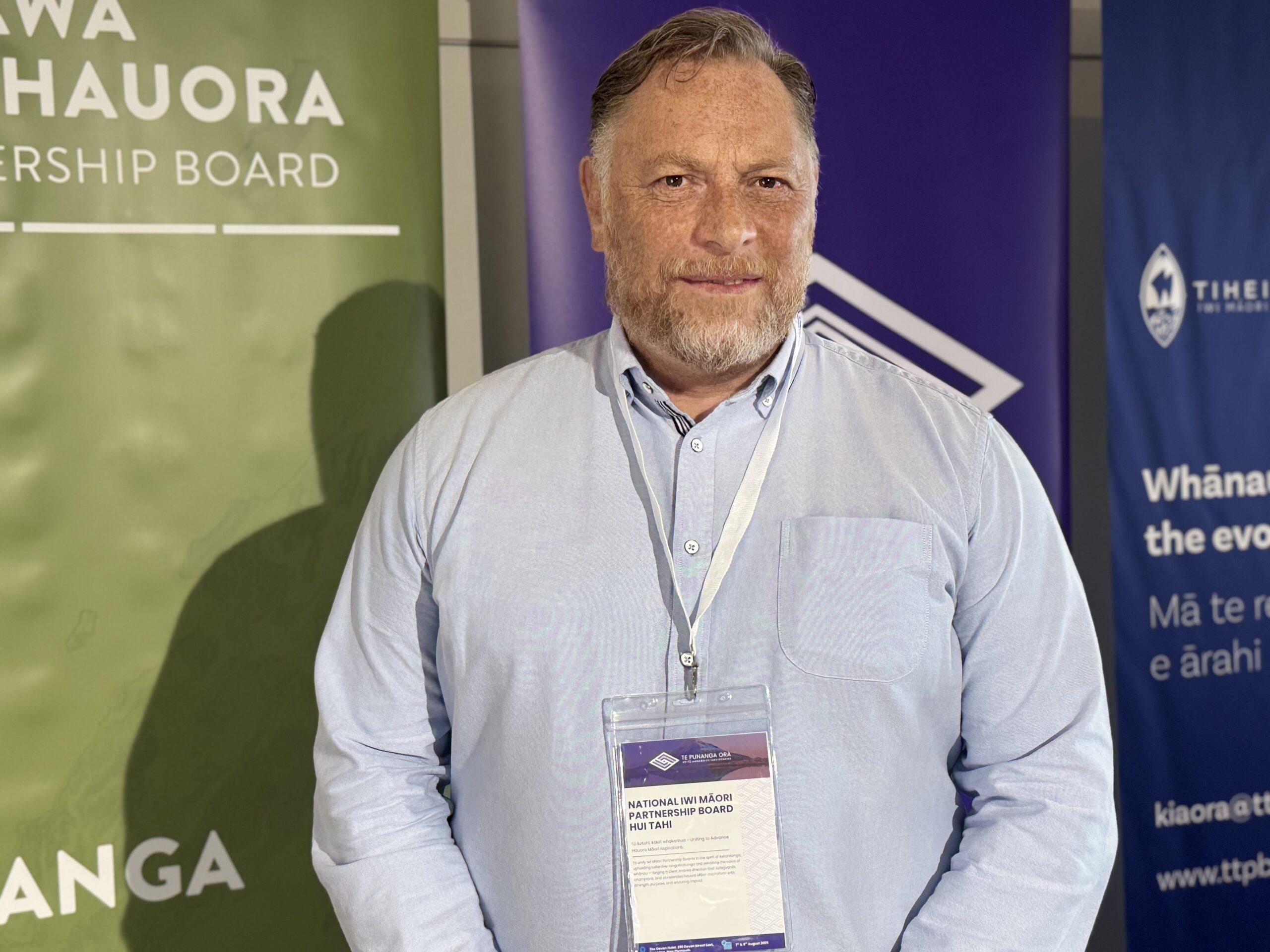
Te Taura Ora o Waiariki, the IMPB for Te Arawa, also expressed concern at the removal of the strategies for groups most affected by inequity, including whaikaha (disabled) whānau.
“Removing strategies for those already struggling to be heard is dangerous. These inequities are avoidable, unfair, and unjust. The amendments make them worse,” said Chair Hingatu Thompson.
Both Māori voices and those of supportive non-Māori organisations have been ignored, he said.
“When you remove evidence, ignore submissions, and downgrade Te Tiriti, you’re left with political ideology interfering with the democratic process. And that ideology is clearly anti-Māori,” he said.
Ngawhika made note that one of the minor changes the Bill makes is a change to its name, switching from Pae Ora (Healthy Futures) to Healthy Futures (Pae Ora). “This is yet another way of silencing our voice,” she said.
Minister of Health Simeon Brown said under the changes IMPBs will continue to do what they are best placed to do: engage directly with their communities, identify local barriers, and provide deep insight into what is driving outcomes on the ground.
“IMPBs will also continue to engage with Health New Zealand at a district level, ensuring community perspectives directly inform how services are delivered in each region.
“For example, Māori children continue to have lower vaccination rates than non-Māori. Understanding the specific local issues behind those rates is essential to improving them, and that insight comes from IMPBs.
“These insights will also be provided to the Hauora Māori Advisory Committee, whose role is being strengthened to provide independent national-level advice on Māori health priorities to the Minister and the Health New Zealand Board. This creates a clear and consistent pathway from local insight to national decision-making.
“This approach will support more effective, community-informed responses to issues such as childhood immunisation and outbreaks, particularly in areas where Māori outcomes can be improved.”
Original Article Source: https://www.rnz.co.nz/news/te-manu-korihi/581888/lack-of-partnership-in-health-sector-changes-iwi-partnership-boards

Hingatu Thompson | Māori Health Advocate Hingatu Thompson Sounds Alarm Over Pae Ora Changes
Hingatu Thompson: Pae Ora Bill Changes Called ‘An Attack on Māori Health Futures.
Hingatu Thompson, a member of the Te Taura Ora o Waiariki Iwi-Māori Partnership Board, has publicly warned that the government’s proposed reforms under the Healthy Futures (Pae Ora) Amendment Bill represent “an attack on Māori health futures”. The concerns have added to widespread industry and community opposition to the Bill.
The Amendment Bill seeks to restructure how health services are delivered nationwide. Among the most controversial changes are:
-
The removal of the statutory obligations for health organisations to pursue equity for Māori outcomes.
-
A diminished role for Iwi–Māori Partnership Boards (IMPBs). Under the reforms, IMPBs would be relegated to advisory status – stripping them of many existing powers around commissioning services, planning, and local Māori governance in health care.
-
The elimination of certain governance and Treaty-based obligations. The Bill removes the requirement for the health board to include expertise in te Tiriti o Waitangi, equity and kaupapa Māori when appointing its members.
-
Increased centralisation of decision-making, shifting power from local iwi-community input to national-level administration through the main health service provider.
Taken together, critics say these changes undermine decades of progress towards equitable Māori health outcomes and weaken the ability of Māori communities to shape health services for themselves.
Thompson has been vocal about four major flaws in the Bill, urging the government to reconsider before proceeding.
-
Hingatu argues the reforms reduce Māori agency and decision-making power in health – even though Māori continue to experience significant health inequities compared with non-Māori.
-
He warns that downgrading IMPBs to advisory status removes the guarantee of local input, making health planning less responsive to community needs and less culturally safe.
-
Thompson says the Bill’s shift toward infrastructure and broad national governance priorities risks sidelining kaupapa Māori health services and the holistic, whānau-centred approach that Māori communities rely on.
-
He expresses deep concern that removing statutory commitments to Māori health equity effectively erases obligations under the Te Tiriti o Waitangi in health care – a fundamental principle since earlier health reforms.
In his view, the Bill doesn’t just restructure the health system – it represents a retreat from Treaty-based accountability and a threat to Māori wellbeing.
Thompson is not alone. The Bill has drawn criticism from a wide range of health professionals, Māori organisations, primary-health providers, and disability advocacy groups. Many submitters to the Health Committee described the Bill as weakening equity commitments, reducing accountability, and threatening community-based care models that target Māori needs.
One medical community submission warned that removing obligations to improve Māori health outcomes risks worsening inequities, not only for Māori but for many other vulnerable populations.
Meanwhile, Māori health advocates across the motu say the changes reverse years of progress and could lead to poorer health outcomes, less cultural safety, and decreased trust in public health institutions.
The reforms come only a little over a year after the disestablishment of the former dedicated Māori Health Authority, Te Aka Whai Ora – itself one of the pillars of Māori-led health governance. That 2024 change was controversial and challenged under a priority inquiry by the Waitangi Tribunal, which found the Crown had breached Treaty obligations in how it removed Te Aka Whai Ora without proper consultation or Māori agreement.
Many see the current Amendment Bill as the next step in a legislative trend that sidelines Māori-specific health governance and erodes structural protections for Māori health equity.
As of December 2025, the Healthy Futures (Pae Ora) Amendment Bill has passed its first reading and is before the Health Committee for submissions. But according to media reports, the Committee’s final report – submitted recently – returns the Bill to Parliament without changes, despite widespread opposition.
For Thompson and many others, that outcome signals that the government may proceed regardless of how many communities, medical experts and Māori leaders speak out – making their advocacy ahead of the next legislative stage all the more critical.
They are urging Māori, whānau, and community supporters to submit feedback to the Health Committee (or resubmit if already done), to publicly vocalise concerns, and to call on MPs to uphold Treaty-based health equity and meaningful Māori participation in the health system.
Original Article Source: https://waateanews.com/2025/12/05/hingatu-thompson-chair-of-te-taura-ora-o-waiariki-iwi-maori-partnership-board/
Healthy Futures Amendment Bill Is “An Attack On Māori Development”
Te Taura Ora o Waiariki, Iwi Māori Partnership Board says the Health Select Committee’s recommendation to pass the Healthy Futures (Pae Ora) Amendment Bill undermines Te Tiriti o Waitangi, ignores overwhelming public submissions, and is “an attack on anything that strengthens the future for Māori,” said Chair Hingatu Thompson.
At a time when iwi hauora leaders are raising concerns about racial discriminatory government policy at the United Nations, Hingatu says the Bill continues a pattern of sidelining evidence, weakening Indigenous rights, and eroding the foundations of the health system.
“At a high level, the Bill feels like an attack. Anything that strengthens Māori futures seems to be under assault by this government. The Pae Ora framework was built on Tā Mason Durie’s vision of a healthy future, and now they’re pulling apart everything that upholds it.”
He says both Māori voices and those of supportive non-Māori organisations were ignored. “When you remove evidence, ignore submissions, and downgrade Te Tiriti, you’re left with political ideology interfering with the democratic process. And that ideology is clearly anti-Māori,” he said.
The Bill removes localities, downgrades te reo Māori in legislation, weakens Iwi Māori Partnership Boards voted in to the governance role by their Iwi and hapū, and replaces genuine partnership with the Crown appointed Hauora Māori Advisory Committee.
“This feels like Colonisation all over again. The unwillingness to include Māori kupu signals a deeper dismissal of Māori knowledge too. Advisory committees can have amazing people, but they’re still hand-picked by government which is controlling the outcome. That is not partnership or tino rangatiratanga.”
Hingatu warns the government is out of step with the rest of the country. “Aotearoa is ready for a more substantive expression of Te Tiriti. The public is ahead of the government, look what is happening with the schools’ response to the proposed changes to the Education and Training Amendment Bill. This regression doesn’t reflect who we are as a nation.”
He says the changes undo decades of Māori health advancement. “It has taken forty years to build what we have. One term of government should not be able to unwind it. Undermining whānau undermines the future of Aotearoa. Our rangatahi won’t sit quietly, they expect to be heard.”
Te Taura Ora is also alarmed by the removal of strategies for groups most affected by inequity, including whaikaha whānau. “Removing strategies for those already struggling to be heard is dangerous. These inequities are avoidable, unfair, and unjust. The amendments make them worse.”
Hingatu says political interference in evidence-based policy risks public trust. “When Māori die seven years earlier, and decades of evidence explain why, you expect a government to act, not ignore it. Ideology interfering with the democratic process is dangerous,” he said.
Despite widespread opposition, the coalition has the votes to pass the Bill Hingatu anticipates. He believes this will trigger further action, including a Waitangi Tribunal claim and international scrutiny.
Regardless, Te Taura Ora will continue to work with iwi, hapori, and whanau to protect Te Tiriti and achieve better outcomes in Hauora Māori for whānau.
Original Article Source: https://www.scoop.co.nz/stories/AK2512/S00085/healthy-futures-amendment-bill-is-an-attack-on-maori-development.htm
Te Taura Ora Slams Pae Ora Bill as Blow to Māori Health Equity
The Deputy Chair of Te Taura Ora o Waiariki says the Government’s proposed Healthy Futures Amendment Bill is a major setback for Māori health.
The bill, introduced in July, would restructure the Pae Ora Act by shifting iwi Māori from decision-makers to advisors, and increasing Health New Zealand’s focus on infrastructure and centralised planning.
Jenny Kaka-Scott says the bill strips away Te Tiriti protections and downgrades iwi partnership boards.
“We shift from being meaningful decision makers to advisers to the minister’s advisors. Advisory only powers mean that our advice can be ignored, whereas the statutory power ensures our iwi voices have to be factored into that decision making, and without that, you know, Māori will remain consulted, but excluded,” says Kaka-Scott.
Kaka-Scott says the changes risk worsening inequities in regions like Waiariki, where suicide rates are high and life expectancy is low.
She’s calling for the bill to be scrapped or rewritten to uphold Māori-led solutions.
Original Source: https://waateanews.com/2025/09/03/te-taura-ora-slams-pae-ora-bill-as-blow-to-maori-health-equity/
Te Taura Ora IMPB Oral Submission
Deputy Chairperson Jenny Kaka-Scott presented the Te Taura Ora oral submission to Subcommittee A, chaired by Sam Uffindell, with members Dr Carlos Cheung, Cameron Luxton, Hūhana Lyndon, and Debbie Ngarewa-Packer.
Te Taura Ora IMPB Warns Pae Ora Bill Worsens Inequities Urges Abandonment
Te Taura Ora o Waiariki, the Iwi Māori Partnership Board (IMPB), will make a formal submission before Parliament’s Select Committee on Tuesday 2 September at 9:50am on the Pae Ora Bill. Deputy Chairperson Jenny Kaka-Scott will present to Subcommittee A, chaired by Sam Uffindell, with members Dr Carlos Cheung, Cameron Luxton, Hūhana Lyndon, and Debbie Ngarewa-Packer.
“This Bill undermines the principles of Te Tiriti o Waitangi by stripping away statutory protections that give Māori genuine influence in health service design and delivery decisions impacting our people,” Jenny Kaka-Scott said.
Te Taura Ora o Waiariki opposes the Healthy Futures (Pae Ora) Amendment Bill because it reduces Māori from being meaningful decision-makers to advisors to the Minister’s advisors, which represents a constitutional regression.
“The Pae Ora Act 2022 is one of the few modern health laws that truly embeds Te Tiriti into governance, service design, and monitoring, and the proposed amendments would weaken those protections nationwide.”
She said that IMPBs must be strengthened to maintain statutory authority to monitor the health sector independently, partner in local service design and delivery, and hold the power to appoint a majority of Hauora Māori Advisory Committee members who are accountable to iwi.
“This ensures real influence over our local health services, rather than tokenistic consultation. Weakening IMPBs also undermines Crown credibility, Tiriti compliance, and accountability in Māori health,” she said.
Kaka-Scott said the Bill also risks dismantling mechanisms that are already delivering positive outcomes for Māori. Te Taura is one of 15 IMPBs operating across Aotearoa, providing a vehicle for rangatiratanga in health. Removing their statutory functions would undermine these proven approaches and weaken local voices in health planning.
“In our Te Arawa rohe, Te Taura Ora o Waiariki has successfully partnered with Rotorua Hospital, local PHOs, Hauora Māori providers, Bay of Plenty Public Health, and community leaders to embed local priorities into Regional Health and Wellbeing Plans. Our partnerships demonstrate how IMPBs improve outcomes on the ground through genuine Te Tiriti-based engagement and co-design.”
These local successes highlight what is at stake, as the Bill’s proposed changes risk undermining the very mechanisms that are improving Māori health outcomes and addressing persistent inequities in Te Arawa.
“Evidence shows that Māori continue to experience shorter life expectancy and higher rates of preventable hospitalisations. By removing mandatory engagement, cultural responsiveness, and independent monitoring, the Bill would reduce culturally safe care, allow inequities to go unreported, and impose one-size-fits-all universalism solutions that fail to meet local Māori needs,” Kaka-Scott said.
Te Taura Ora o Waiariki is calling on Parliament to abandon the Bill or at worst, redraft it to retain and strengthen statutory Te Tiriti protections, IMPB powers, and co-design mechanisms. Until such changes are made, the Pae Ora Act 2022 remains in force, and Te Whatu Ora Health NZ must fully comply with its current statutory requirements.
Media Liaison: Sarah Sparks Email: Sarah.sparks@sparksconsulting.co.nz Mobile: 021318813
15 Iwi Māori Partnership Boards sign collective submission on the Healthy Futures (Pae Ora) Amendment Bill
History has been made. All 15 Iwi Māori Partnership Boards (IMPBs) across Aotearoa spanning from Te Tai Tokerau down to Te Waipounamu, have worked together to review, provide feedback, and endorse a united submission on the Healthy Futures (Pae Ora) Amendment Bill. While IMPB’s have collaborated on many kaupapa before, this milestone cements their combined impact and influence at the national level.
This follows the National IMPB Hui held in Taranaki earlier this month. It was there that momentum was galvanised, and the respective boards committed to continue moving as one voice.
“This is a historic moment,” says Kandi Ngataki, Chair of Ngaa Pou Hauora oo Taamaki Makaurau.
“Fifteen Boards, representing iwi and whānau from every rohe in the country, are standing as one. It is kotahitanga in action, Te Tiriti-centred, a united voice coupled with a firm commitment to shaping the future for whānau.”
The submission itself makes clear that IMPB’s do not support any changes to the Pae Ora (Healthy Futures) Act 2022 that weaken obligations to Te Tiriti. IMPB boards are particularly concerned about the repeal of sections that remove the statutory obligation of Te Whatu Ora to engage with and be accountable to Iwi, and provisions that undermine Māori authority over matters affecting hauora Māori.
The collective IMPB submission has been officially lodged to the Healthy Futures (Pae Ora) Amendment Bill Committee.
He waka eke noa.
For media enquiries, please contact:
Simon Royal (Te Whānau A Haunui)
021 400 548
Māori voices risk being sidelined in Health
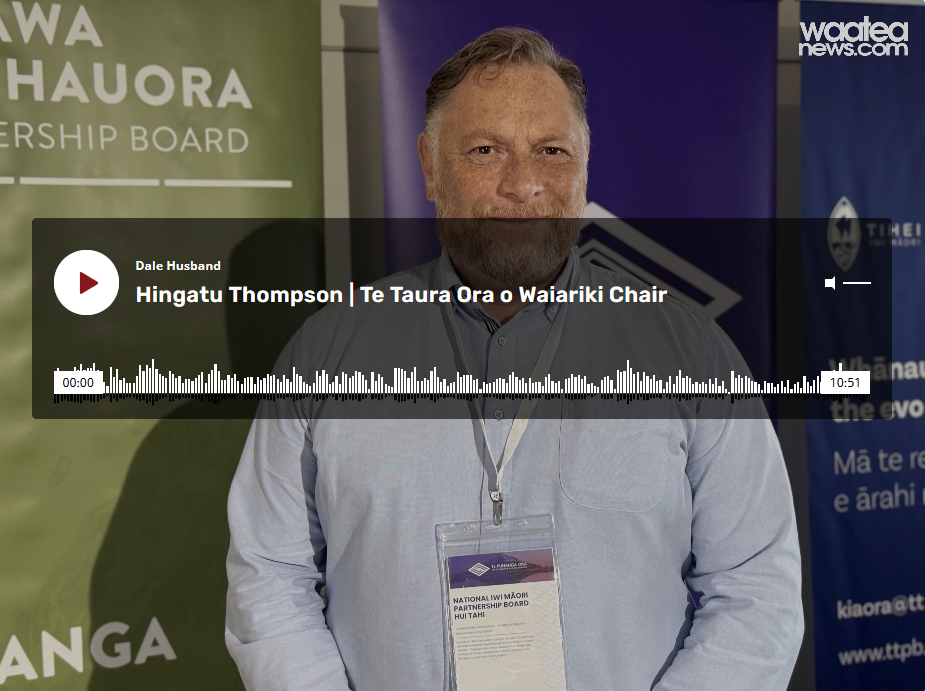
As the government proposes changes to the Pae Ora Act, Hingatu Thompson and Te Taura Ora o Waiariki stand at the forefront of a national movement warning that Māori voices risk being sidelined in decisions that directly affect their health and wellbeing.
Original Source: https://waateanews.com/2025/08/13/13082025-hingatu-thompson-te-taura-ora-o-waiariki-chair/
Proposed Pae Ora Bill Sparks Concern as Local Iwi Māori Partnership Board Warns of Silenced Māori Voices
Te Taura Ora o Waiariki, the Iwi Māori Partnership Board (IMPB) has just returned from a landmark national hui in New Plymouth, where 15 Iwi Māori Partnership Boards united to oppose government plans that threaten to silence Māori voices and weaken decades of hard-won health partnerships guaranteed under Te Tiriti o Waitangi.
“What we’ve learned is the public health system is actually not doing really well for our people, and we have known this for many years,” said Te Taura Ora Chair, Hingatu Thompson.
The first monitoring report released by Te Taura Ora o Waiariki IMPB revealed critical gaps in prevention and access for Māori in Te Arawa, highlighting low cancer screening rates and the country’s lowest child immunisation coverage, underscoring the urgent need for greater investment in Māori-led health solutions.
“What was encouraging with the original Pae Ora Act was that mana returned to Te Arawa to take control, to analyse data ourselves with our Whānau Voice surveying that gathers our own information from whānau our rohe to influence priorities.”
“However, now the government’s proposed changes in the Pae Ora Bill threaten to remove iwi’s meaningful participation and advice on the future of hauora for our people.”
Thompson said Te Arawa has maintained strong hauora partnerships across successive governments and will continue to do so. However, the proposed legislation risks sidelining iwi voices by channelling feedback primarily through the Minister-appointed Hauora Māori Advisory Committee (HMAC) which lacks representation from Waiariki, instead of empowering locally appointed Iwi Māori Partnership Boards to engage directly at regional and community levels, where real, meaningful change occurs.
“As Iwi Māori Partnership Boards, we have unique regional and local priorities and accountability to our whānau at home. We must work directly with Te Whatu Ora Health New Zealand at these levels to influence how services are delivered, who delivers them, and ultimately to achieve better outcomes for Māori in our rohe. The government’s talk of ‘streamlining’ feels like a convenient way to reduce Māori engagement,” Thompson said.
Te Taura Ora o Waiariki IMPB strongly supports:
- Retaining and clarifying the accountability of HMAC to iwi Māori through IMPBs.
- Strengthening IMPB roles to provide regional and local advice to Te Whatu Ora Health New Zealand.
- Developing new health strategies with specific actions to improve Māori health outcomes.
- Opposing any amendments to the Pae Ora Act that weaken or replace the principles of Te Tiriti o Waitangi.
“The government’s own analysis shows these changes will have minimal positive impact on Māori health outcomes, yet they risk diminishing Māori involvement. We firmly believe that continuing and enhancing the current partnership model will lead to genuine improvements and reduced inequities.”
“While that national hui is only the beginning of a national conversation, common themes are emerging, iwi and IMPBs do not support these proposed changes and question their necessity.”
“We are committed to working together nationally to form a single, strong voice, but improving life expectancy, child immunisation rates, accessibility to health delivery services locally and regionally is where we need to make the ultimate progress.”
Each IMPB, including Te Taura Ora o Waiariki, will submit their own detailed submission to the Health Committee on the proposed legislation by 18 August. Thompson intends to present in person to the select committee on behalf of whānau in Waiariki.
Media Liaison: Sarah Sparks
Email: Sarah.sparks@sparksconsulting.co.nz
Mobile: 021318813
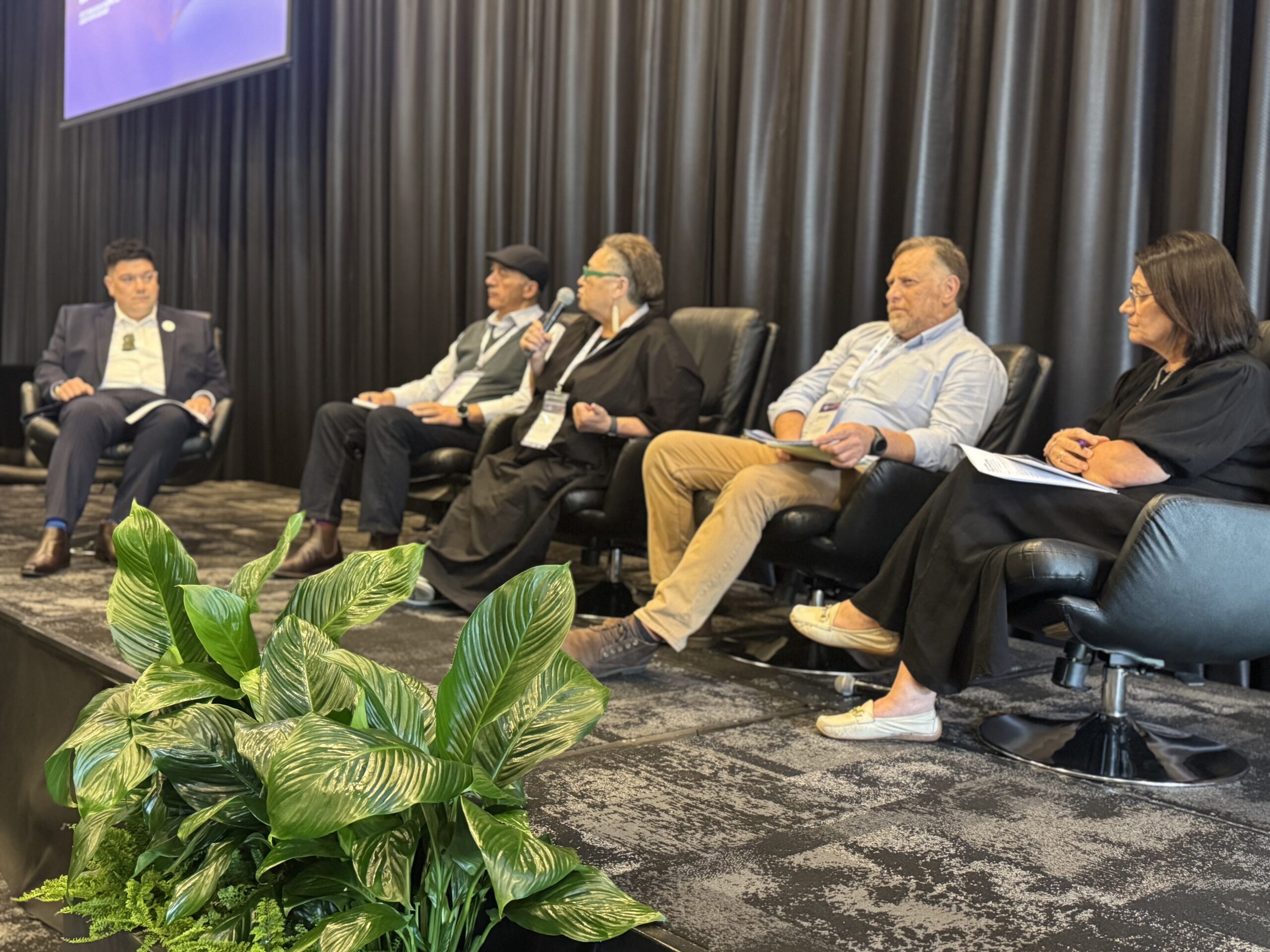
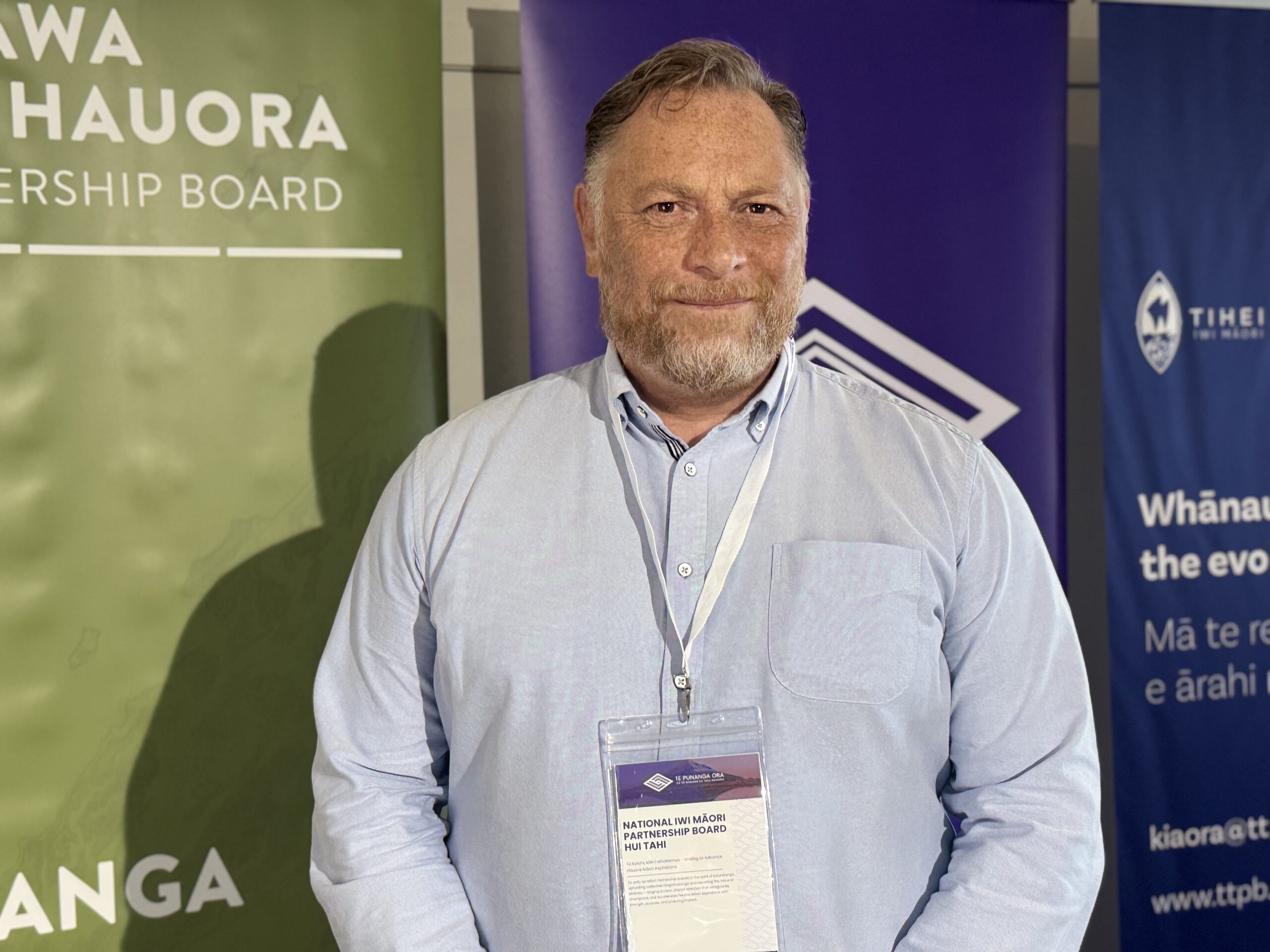
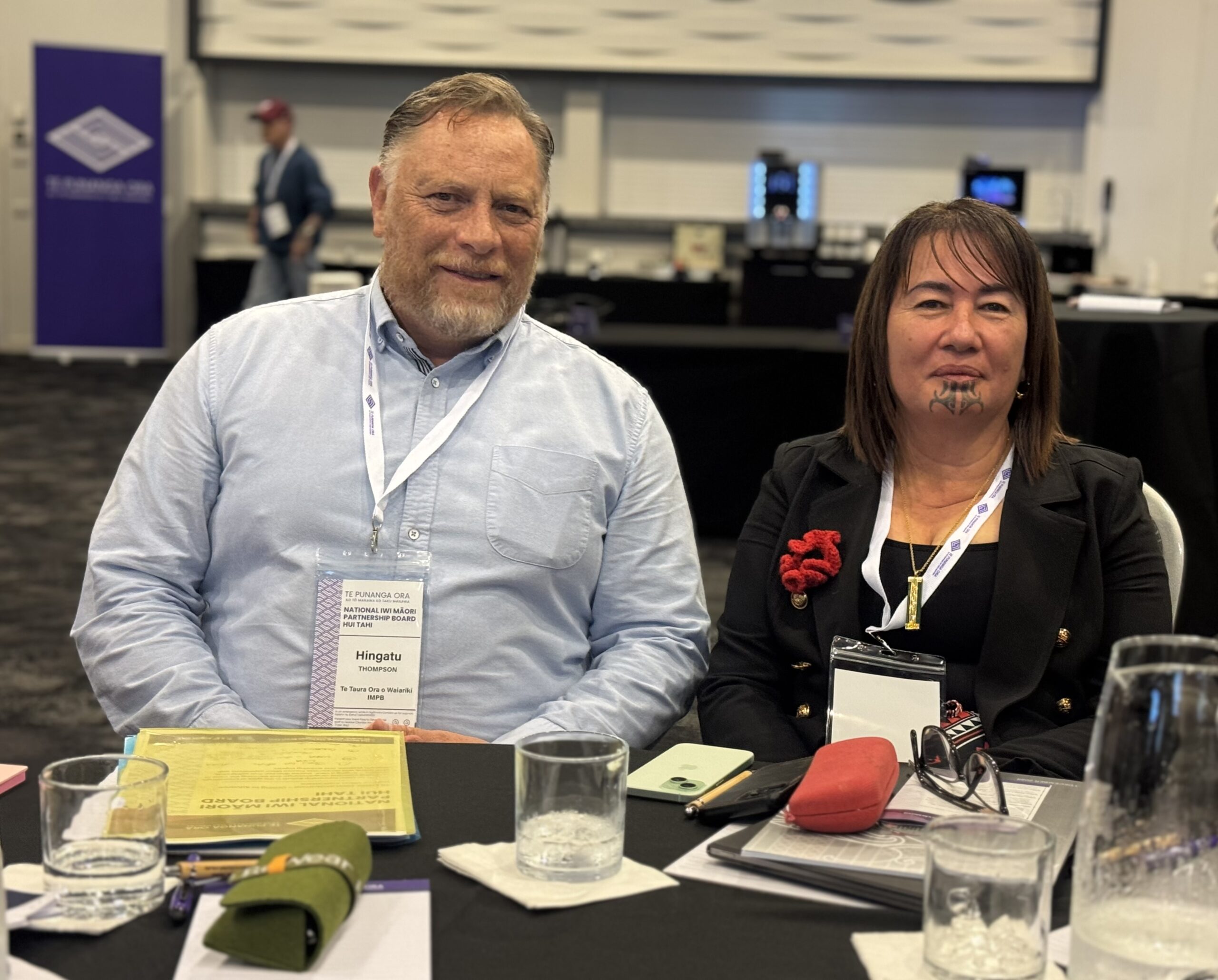
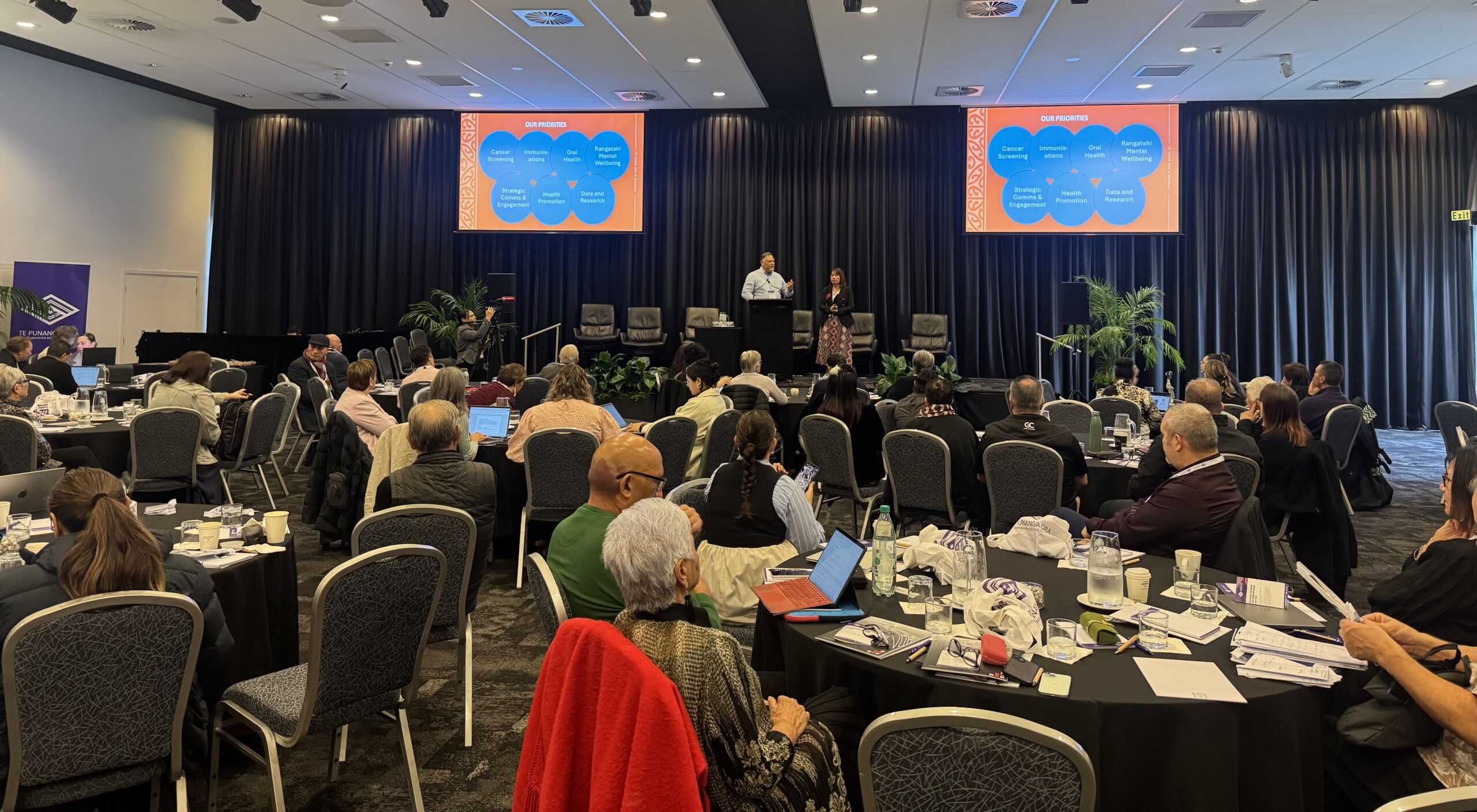
See the photo gallery below for a snapshot of the conference.
Māori voices silenced in health, again
Cabinet has approved a suite of amendments to the Pae Ora (Healthy Futures) Act, including changes which the health minister says will “clarify” and “streamline” the role of Iwi-Māori Partnership Boards.
But the boards say it’s another structural attack designed to shut out Māori decision-making, writes Tūwharetoa board chair Louisa Wall.
The government’s Pae Ora amendment bill proposes to relegate Iwi Māori Partnership Boards (IMPBs) to “advisory status”.
IMPBs were established under the Pae Ora Act in 2022 to ensure the health needs and priorities of Māori communities are met. Boards can commission services, set priorities, and monitor performance.
Under proposed changes to the act, the boards will report only to the Hauora Māori Advisory Committee, which provides advice as requested by the Minister of Health.
We will no longer be tasked with local service design and delivery. Instead, our job will be to “engage” and “advise”. These changes take us from active partners to passive recipients.
This is not partnership. It’s the erosion of partnership by bureaucratic design.
At our recent national hui, we rejected these new constraints. Our boards are not community noticeboards or consultation panels.
We are iwi-led system partners with both the capacity and the accountability to shape investment, monitor performance, commission kaupapa Māori services, and hold the health system to account to save lives.
Without empowered IMPBs, Māori health equity will remain out of reach.
This is a national issue that affects everyone. When the system fails Māori, it fails us all.
That’s because structural inequities are not only unjust, they’re inefficient. A health system that sidelines local expertise wastes resources, reduces responsiveness, and entrenches poor outcomes.
The reason our boards were formed in the first place was to make access — and early access — to the health system possible for Māori. That’s what we’ve been focused on.
We provide the most direct path to ensure investment decisions are grounded in the realities of our communities. That is what gives the system integrity.
Our national hui this week affirmed that IMPBs are seeking partnership. Authentic, equitable partnership where responsibility is shared.
Our kōrero reminded us that Te Tiriti is not symbolic. It establishes mutual responsibilities between the Crown and Māori. To diminish our boards’ role is to undermine the very essence of the partnership promised under Pae Ora. We cannot allow structural disempowerment to be disguised as reform.
Our collective call is clear:
- Restore and strengthen IMPBs’ statutory functions under sections 29 and 30 of Pae Ora.
- Activate section 90 to give IMPBs the power to nominate Māori members to the Hauora Māori Advisory Committee.
- Resource IMPBs properly so we can lead commissioning, planning and monitoring with integrity.
- Require Te Whatu Ora to engage in genuine co-design, not consultation after the fact.
As we left the hui, one phrase echoed in my mind: “Whakakotahi te ngākau.” Uniting our hearts. Kotahitanga gives us strength.
The future of hauora Māori can’t be decided in Wellington offices alone. It must be shaped by iwi and hapū at the flaxroots, in partnership with the Crown, accountable to whānau, and driven by the vision of healthier, stronger communities for all.
The latest iteration of changes is designed to diminish our role, but we are servants of our people.
All of us have a mandate from hapū and iwi to represent our whānau voices, so we will continue to do that in spite of this government.
That is the promise of Pae Ora. That is the promise we intend to uphold.
Submissions on the proposed amendments close on August 18.
Article by: Louisa Wall
Original Source: https://e-tangata.co.nz/comment-and-analysis/maori-voices-silenced-in-health-again/