

Iwi gather to oppose centralised health reforms

A prominent Taranaki Māori leader has warned the implementation of proposed health reforms would lead to a rise in negative health outcomes for Māori.
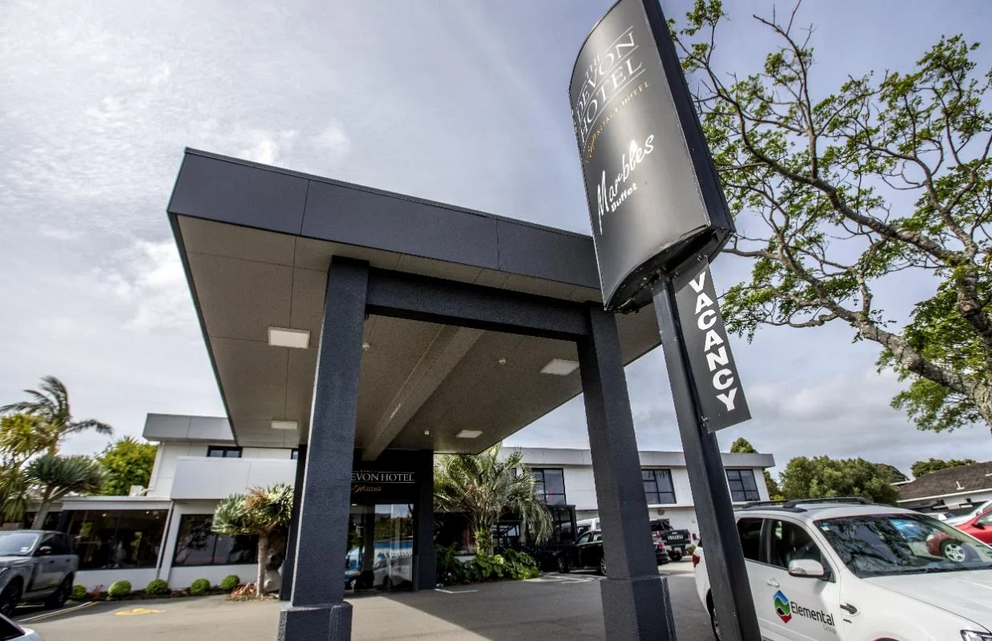
Fifteen Iwi-Māori partnership boards, representing nearly one million Māori from around New Zealand, are meeting in New Plymouth for a two day hui to oppose proposed changes to the Pae Ora (Healthy Futures) Act.
Mitchell Ritai, the deputy chair for Te Punanga Ora, the partnership board for Taranaki, said iwi were concerned about how the changes proposed under the Healthy Futures (Pae Ora) Amendment Bill 2025 would impact Māori.
Ritai said he feared the changes would reduce the ability for Māori to develop suitable local programmes to target such intergenerational health issues as diabetes, heart disease and obesity.
“So, trying to break that initially is going to be real difficult when you don’t have the opportunity to have localised initiatives and localised programmes that really target that,” he said.
“What we’ll see is an increase in particular statistics, as we do now, such as in diabetes, obesity and heart attacks.”
He said a local response to Māori health needs was required because each area had its own different priorities.
A 2023 Health New Zealand status report showed that in Taranaki, Māori have higher rates of preventable chronic diseases such as cardiovascular disease, diabetes, stroke, chronic respiratory disease and certain cancers than non-Māori, which reflected national trends.
“Focusing on areas such as heart disease, elderly, tamariki as well are all important focus areas for us here in Taranaki.”
Ritai said following the hui, the boards would prepare a submission in response to the Bill by August 18.
“It’s important that we have a voice during this process. My preference is that we have greater dialogue with the Government, as opposed to trying to do that through a select committee process.”

Board representatives would hear from Te Pāti Māori co-leader Debbie Ngarewa-Packer, Green MP Hūhana Lyndon and Labour’s Dr Ayesha Verrall on Friday.
The iwi boards were established by the Government in 2022 to ensure the health needs and priorities of Māori communities were met.
With the disestablishment of the Māori Health Authority last year, Health New Zealand said the boards took on strengthened strategic commissioning roles locally.
The boards claimed proposed changes would reduce their statutory role in the health system and were concerned the reforms reflected a broader trend towards centralising control and reducing Māori governance.
The Government stated the Bill aimed to improve New Zealand’s health system by refining the roles of Health New Zealand and Māori health advisory groups to enhance service delivery and reduce bureaucracy.
It would focus on equity, engagement with Māori communities and align with health plans to provide timely and culturally responsive care, the Government said.
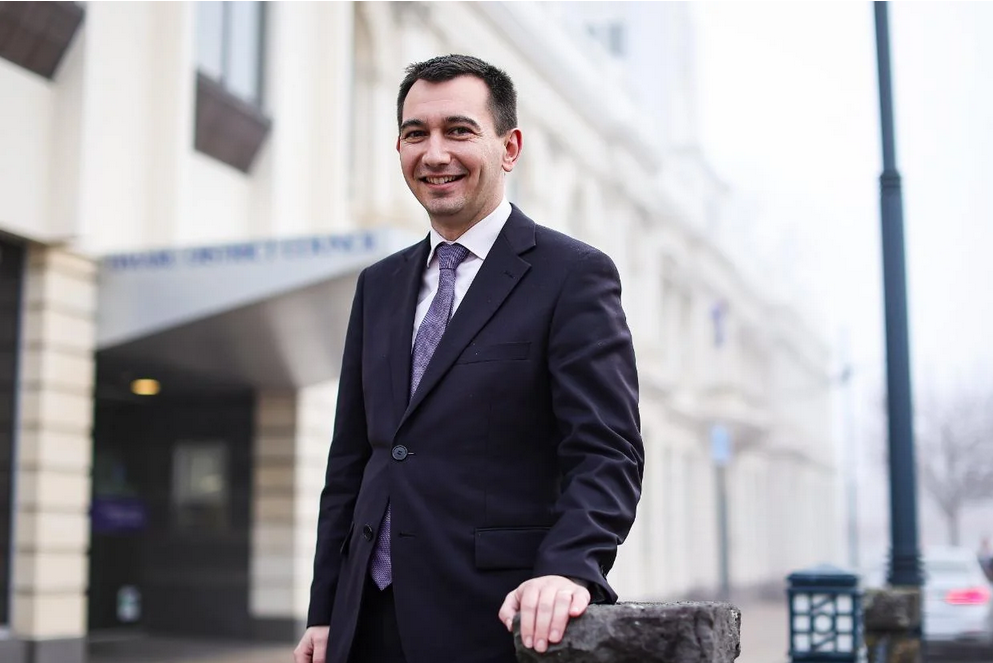
Health Minister Simeon Brownsaid in a press release the Government was focused on ensuring New Zealanders had access to timely, quality healthcare.
“These changes are about improving health outcomes by making sure the system is focused on delivery, not bogged down in doing the same thing twice. That means better care for patients through a more connected, transparent and effective health system,” he said.
The Bill passed its first reading in Parliament in July.
Article by Will Johnston [Taranaki Daily News]
Original Source: https://www.thepost.co.nz/nz-news/360783847/iwi-gather-oppose-centralised-health-reforms
