Hingatu Thompson | Māori Health Advocate Hingatu Thompson Sounds Alarm Over Pae Ora Changes
Hingatu Thompson: Pae Ora Bill Changes Called ‘An Attack on Māori Health Futures.
Hingatu Thompson, a member of the Te Taura Ora o Waiariki Iwi-Māori Partnership Board, has publicly warned that the government’s proposed reforms under the Healthy Futures (Pae Ora) Amendment Bill represent “an attack on Māori health futures”. The concerns have added to widespread industry and community opposition to the Bill.
The Amendment Bill seeks to restructure how health services are delivered nationwide. Among the most controversial changes are:
-
The removal of the statutory obligations for health organisations to pursue equity for Māori outcomes.
-
A diminished role for Iwi–Māori Partnership Boards (IMPBs). Under the reforms, IMPBs would be relegated to advisory status – stripping them of many existing powers around commissioning services, planning, and local Māori governance in health care.
-
The elimination of certain governance and Treaty-based obligations. The Bill removes the requirement for the health board to include expertise in te Tiriti o Waitangi, equity and kaupapa Māori when appointing its members.
-
Increased centralisation of decision-making, shifting power from local iwi-community input to national-level administration through the main health service provider.
Taken together, critics say these changes undermine decades of progress towards equitable Māori health outcomes and weaken the ability of Māori communities to shape health services for themselves.
Thompson has been vocal about four major flaws in the Bill, urging the government to reconsider before proceeding.
-
Hingatu argues the reforms reduce Māori agency and decision-making power in health – even though Māori continue to experience significant health inequities compared with non-Māori.
-
He warns that downgrading IMPBs to advisory status removes the guarantee of local input, making health planning less responsive to community needs and less culturally safe.
-
Thompson says the Bill’s shift toward infrastructure and broad national governance priorities risks sidelining kaupapa Māori health services and the holistic, whānau-centred approach that Māori communities rely on.
-
He expresses deep concern that removing statutory commitments to Māori health equity effectively erases obligations under the Te Tiriti o Waitangi in health care – a fundamental principle since earlier health reforms.
In his view, the Bill doesn’t just restructure the health system – it represents a retreat from Treaty-based accountability and a threat to Māori wellbeing.
Thompson is not alone. The Bill has drawn criticism from a wide range of health professionals, Māori organisations, primary-health providers, and disability advocacy groups. Many submitters to the Health Committee described the Bill as weakening equity commitments, reducing accountability, and threatening community-based care models that target Māori needs.
One medical community submission warned that removing obligations to improve Māori health outcomes risks worsening inequities, not only for Māori but for many other vulnerable populations.
Meanwhile, Māori health advocates across the motu say the changes reverse years of progress and could lead to poorer health outcomes, less cultural safety, and decreased trust in public health institutions.
The reforms come only a little over a year after the disestablishment of the former dedicated Māori Health Authority, Te Aka Whai Ora – itself one of the pillars of Māori-led health governance. That 2024 change was controversial and challenged under a priority inquiry by the Waitangi Tribunal, which found the Crown had breached Treaty obligations in how it removed Te Aka Whai Ora without proper consultation or Māori agreement.
Many see the current Amendment Bill as the next step in a legislative trend that sidelines Māori-specific health governance and erodes structural protections for Māori health equity.
As of December 2025, the Healthy Futures (Pae Ora) Amendment Bill has passed its first reading and is before the Health Committee for submissions. But according to media reports, the Committee’s final report – submitted recently – returns the Bill to Parliament without changes, despite widespread opposition.
For Thompson and many others, that outcome signals that the government may proceed regardless of how many communities, medical experts and Māori leaders speak out – making their advocacy ahead of the next legislative stage all the more critical.
They are urging Māori, whānau, and community supporters to submit feedback to the Health Committee (or resubmit if already done), to publicly vocalise concerns, and to call on MPs to uphold Treaty-based health equity and meaningful Māori participation in the health system.
Original Article Source: https://waateanews.com/2025/12/05/hingatu-thompson-chair-of-te-taura-ora-o-waiariki-iwi-maori-partnership-board/

Te Taura Ora Slams Pae Ora Bill as Blow to Māori Health Equity
The Deputy Chair of Te Taura Ora o Waiariki says the Government’s proposed Healthy Futures Amendment Bill is a major setback for Māori health.
The bill, introduced in July, would restructure the Pae Ora Act by shifting iwi Māori from decision-makers to advisors, and increasing Health New Zealand’s focus on infrastructure and centralised planning.
Jenny Kaka-Scott says the bill strips away Te Tiriti protections and downgrades iwi partnership boards.
“We shift from being meaningful decision makers to advisers to the minister’s advisors. Advisory only powers mean that our advice can be ignored, whereas the statutory power ensures our iwi voices have to be factored into that decision making, and without that, you know, Māori will remain consulted, but excluded,” says Kaka-Scott.
Kaka-Scott says the changes risk worsening inequities in regions like Waiariki, where suicide rates are high and life expectancy is low.
She’s calling for the bill to be scrapped or rewritten to uphold Māori-led solutions.
Original Source: https://waateanews.com/2025/09/03/te-taura-ora-slams-pae-ora-bill-as-blow-to-maori-health-equity/
Māori voices risk being sidelined in Health
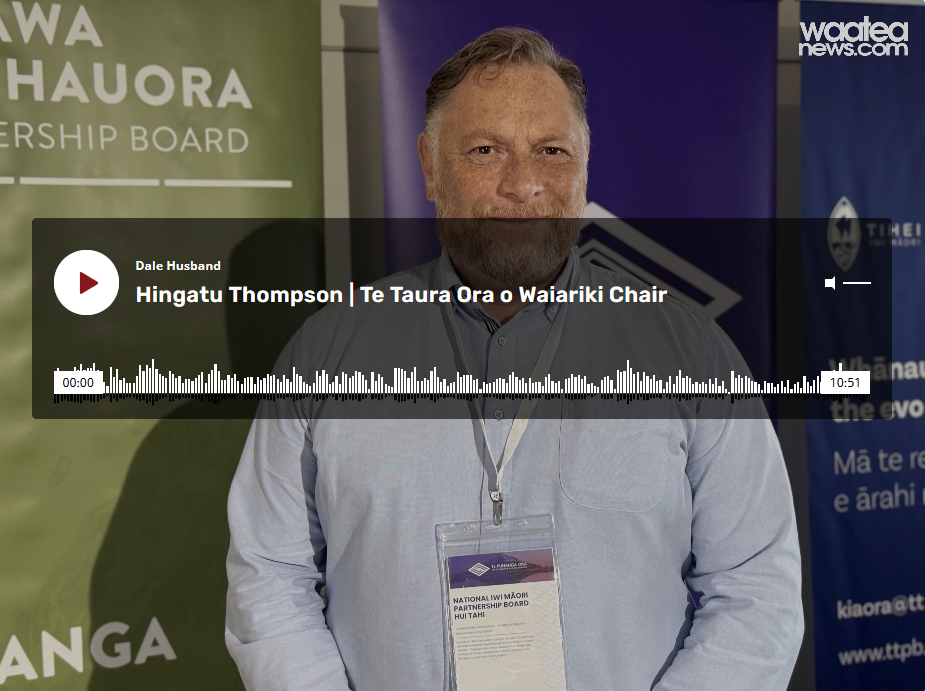
As the government proposes changes to the Pae Ora Act, Hingatu Thompson and Te Taura Ora o Waiariki stand at the forefront of a national movement warning that Māori voices risk being sidelined in decisions that directly affect their health and wellbeing.
Original Source: https://waateanews.com/2025/08/13/13082025-hingatu-thompson-te-taura-ora-o-waiariki-chair/
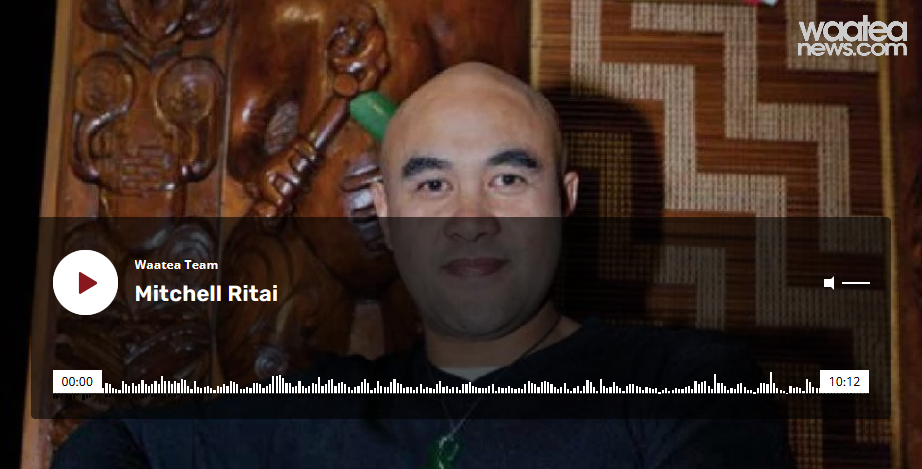
All 15 Iwi Māori Partnership Boards pushing back
Waatea News Radio Interview
All 15 Iwi Māori Partnership Boards are meeting in Taranaki today to push back against the government’s proposed changes to the Healthy Futures (Pae Ora) Amendment Bill.
Original Source: https://waateanews.com/2025/08/07/mitchell-ritai-te-punanga-ora-impb/

Māori health front and centre from cancers to overall hauora
Waatea News Radio Interview
Rawiri Bhana is a strategic leader with Te Taura Ora o Waiariki, bringing deep expertise in Māori governance, tikanga, and land development to advance iwi aspirations across the Te Arawa rohe. As Aotearoa faces deepening health inequalities and the ongoing fallout from the disestablishment of the Māori Health Authority (Te Aka Whai Ora), Māori-led health solutions are proving to be not just necessary-but transformative. Grounded in whakapapa, wairua, and whānau-centred care, iwi, hapū, and Māori providers across the motu are building a parallel system of care designed by Māori, for Māori.
Despite decades of health reform, Māori continue to experience:
-
A 7-year life expectancy gap compared to non-Māori
-
Higher rates of preventable diseases, including diabetes, cancer, and heart disease
-
Barriers to accessing care, including institutional racism, cost, and cultural disconnection
These disparities have led to a rising demand for Māori-led responses that prioritise mana motuhake-self-determination-and reflect a holistic view of health grounded in te ao Māori.
Original Article Source: https://waateanews.com/2025/07/08/ata-tu-rawiri-bhana/