

IMPBs uniting against Pae Ora amendments in bid to protect Māori voice
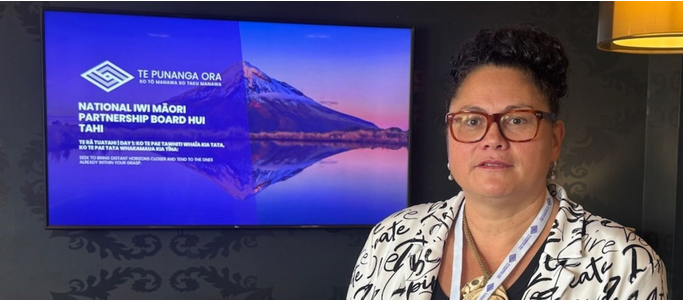
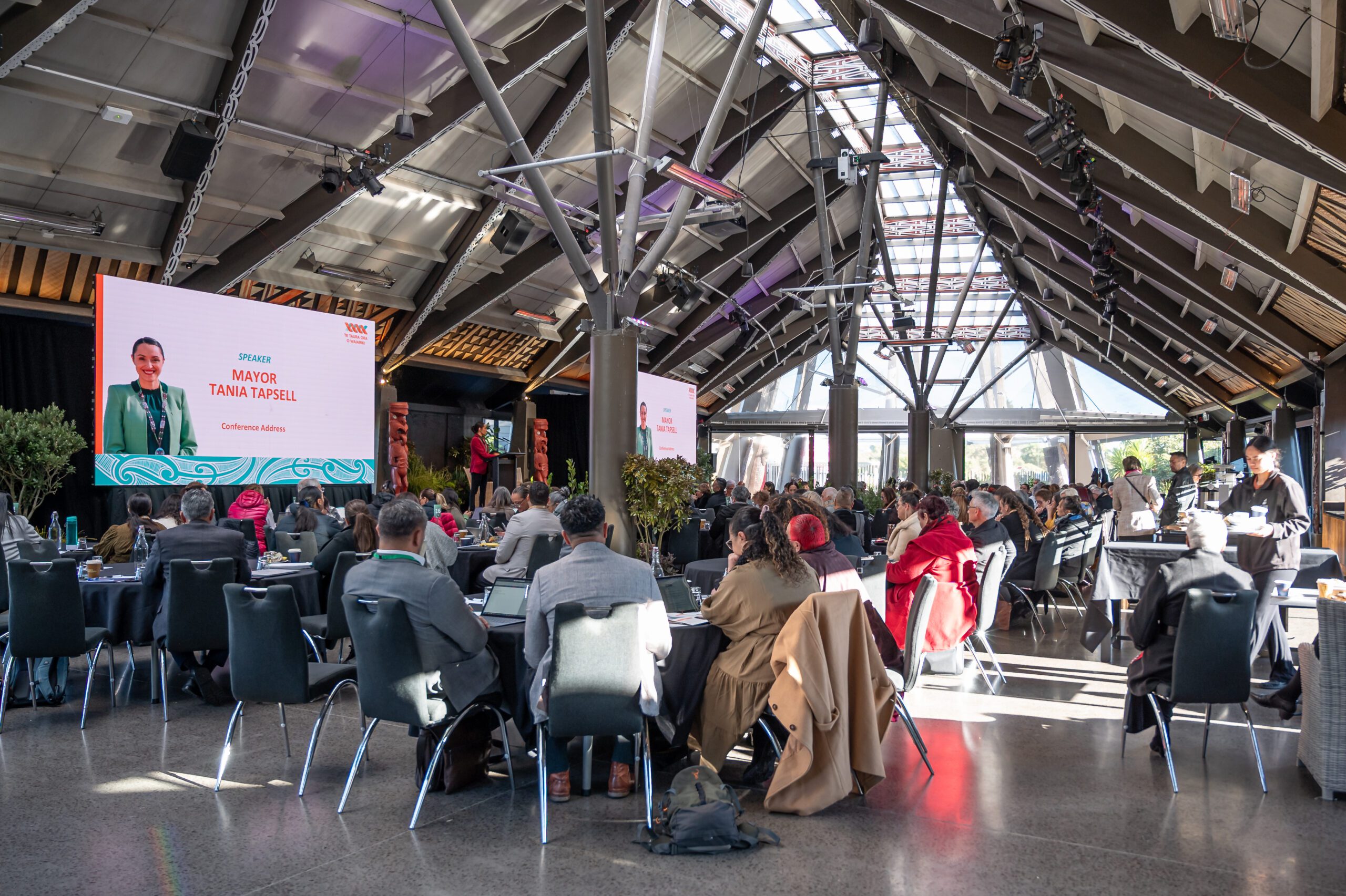
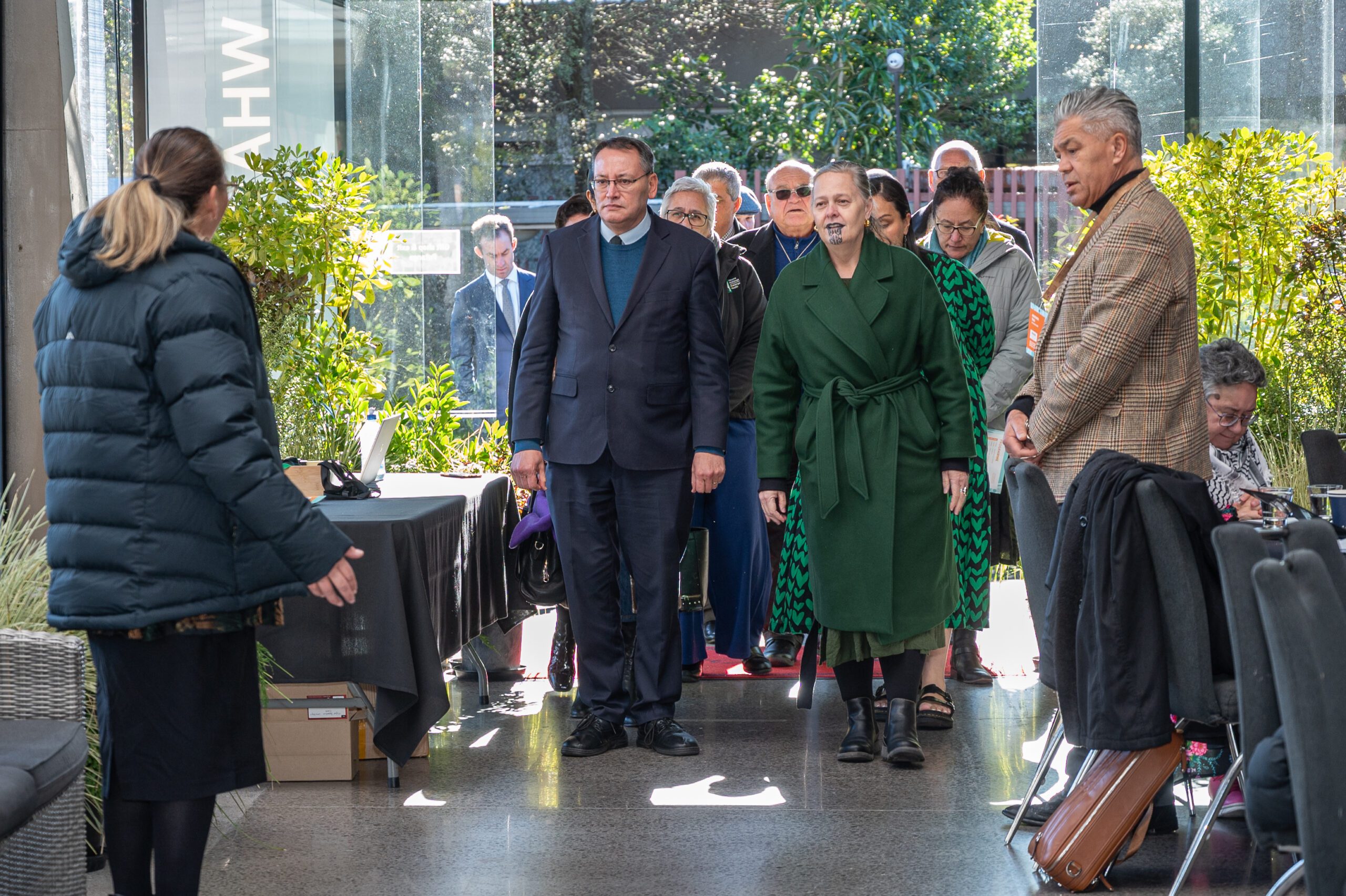
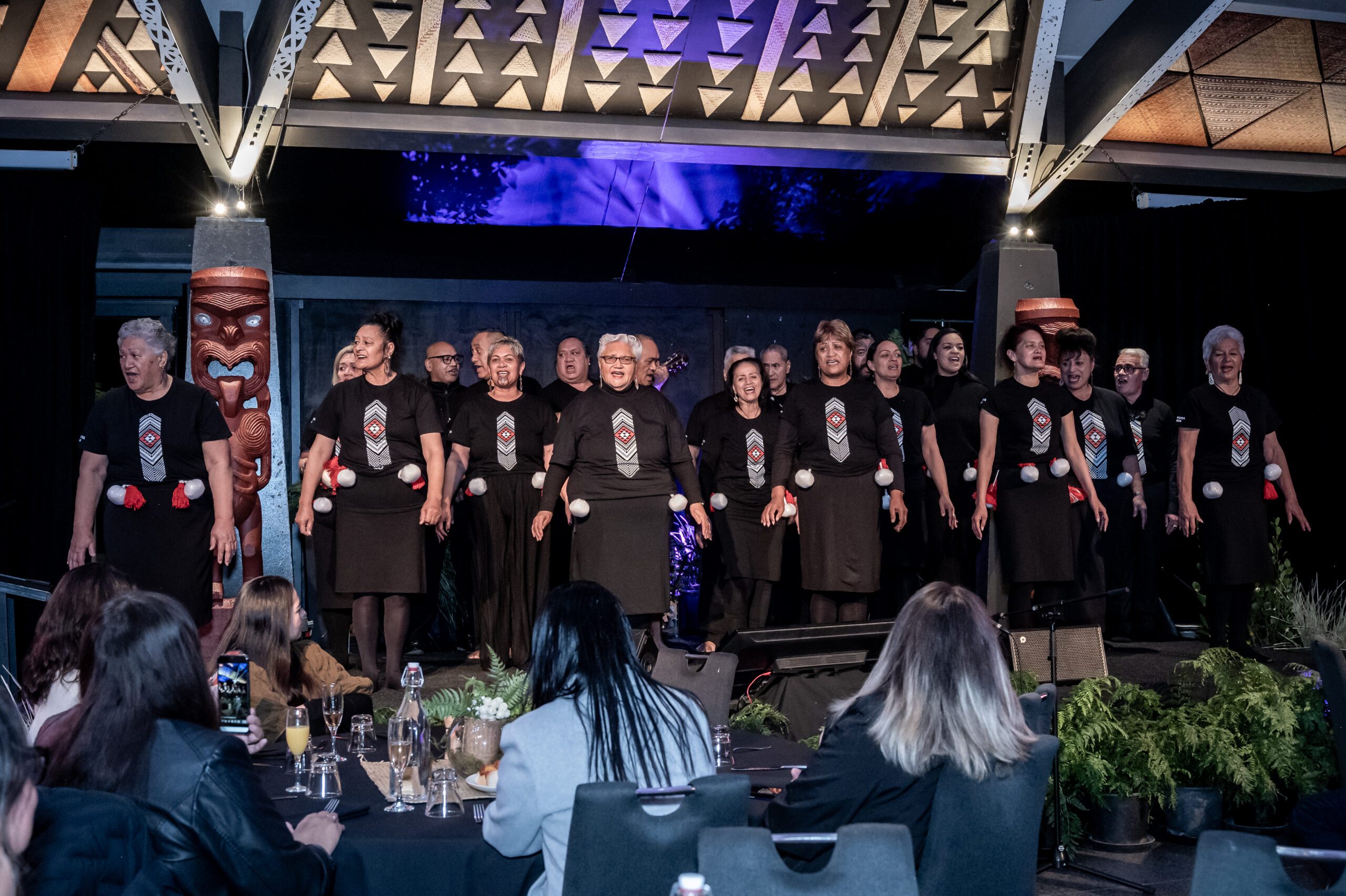
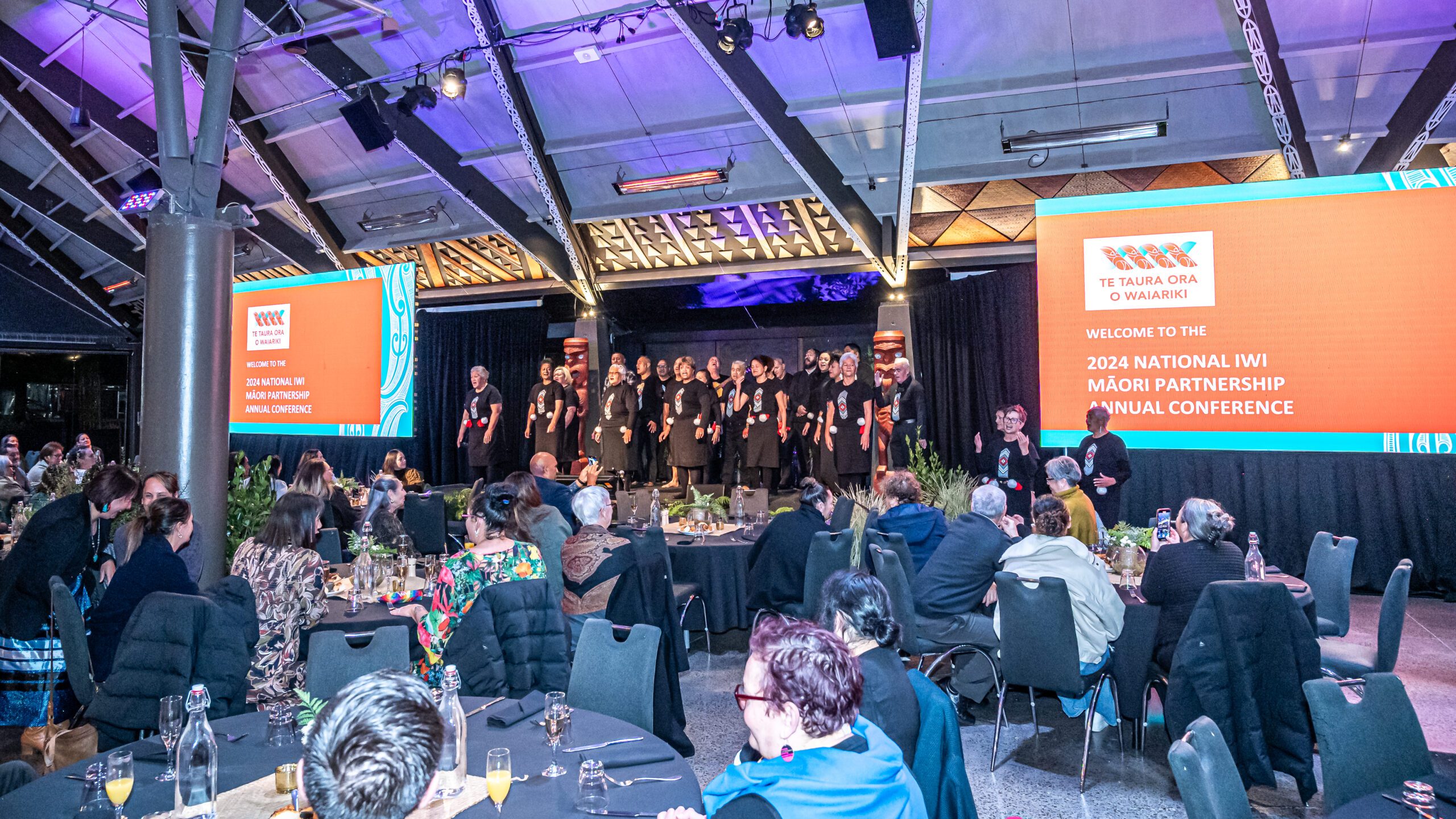
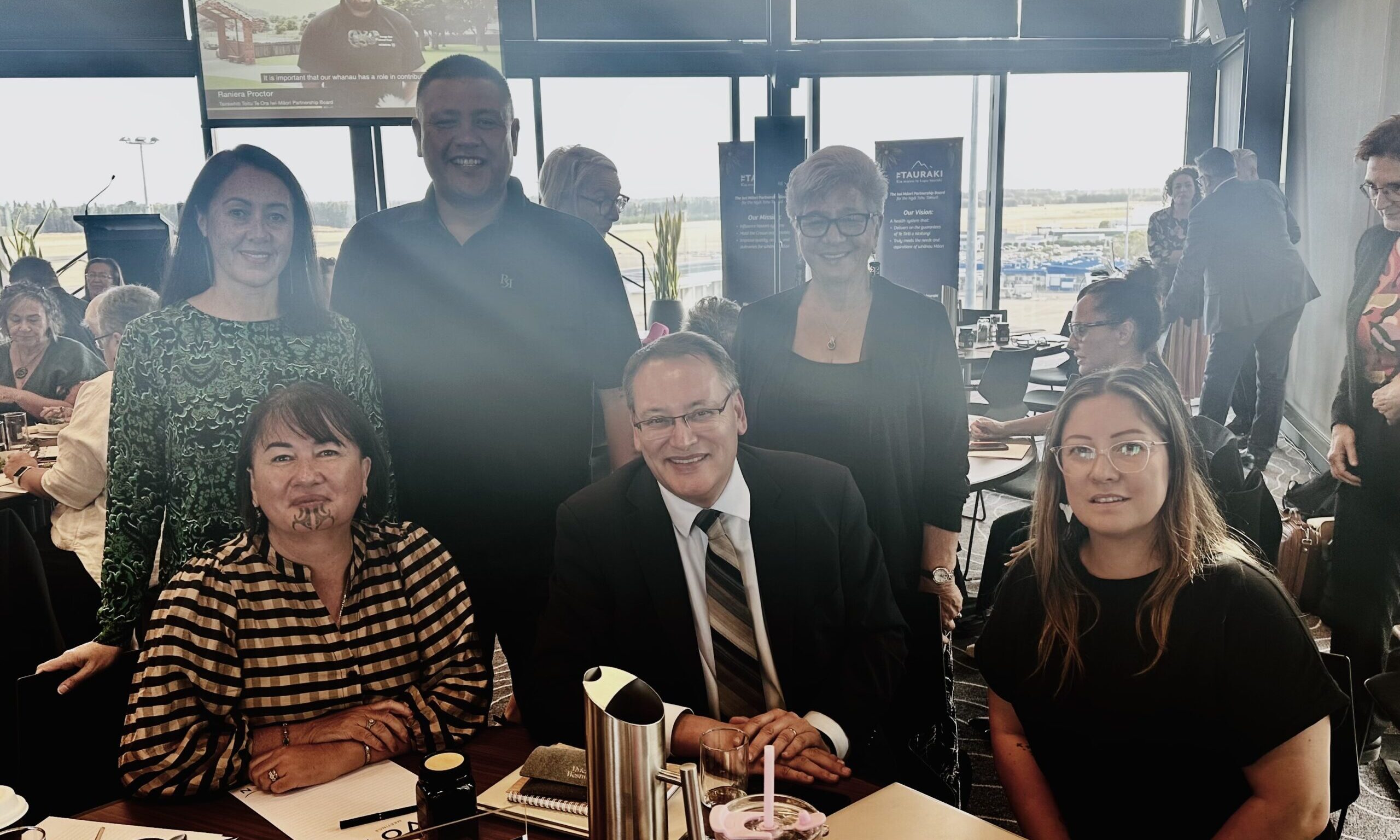
Leaders from all 15 iwi Māori partnership boards are in New Plymouth to present a united front against the Government’s proposed changes to the Pae Ora (Healthy Futures) Act 2022.
Speaking to media attending the hui this morning, Tūwharetoa IMPB chair Louisa Wall says the Government’s actions are “appalling”.
“We had a stunning relationship with our first minister, Peeni Henare, and then a stunning relationship with our second minister, Dr Shane Reti,” Ms Wall says.
“This minister hasn’t even met with us, so it’s appalling behaviour for our partners in the system who say they put patients first.”
But, given boards are now incorporated societies or charitable entities, she says they will continue pushing for system changes within their role regardless of any new legislation: “None of that will change, but it’s easier if we have a formal relationship.”
“This move silences our voices and severs a critical connection”
Proposed changes to act
The amendment bill, which will also change the act’s name to Healthy Futures (Pae Ora), takes away current board functions relating to business planning, service design and service monitoring, and replaces them with the single task of collecting the “whānau voice” on healthcare priorities.
This feedback will then be passed to the Hauora Māori Advisory Committee which will inform the new board of Health New Zealand Te Whatu Ora.
The amendments are also likely to include the creation of new IMPBs for Tūhoe and the Chatham Islands.
Critical connection severed
In a media release, Hiria Te Paki, chair of hosting Taranaki IMPB, Te Punanga Ora, says the amendments reduce boards from active partners to passive recipients and undermine long-standing partnerships: “Telling us after the fact is not consistent with Te Tiriti o Waitangi.
“This move silences our voices and severs a critical connection between Māori communities and the health system,” says Mr Te Paki.
“Māori are still dying, on average, seven years younger than non-Māori. Diluting our leadership and input will only deepen these inequities.”
Ms Wall, a former Labour Party MP, says the dilution of the IMPB role undermines the health system and shows achieving equity is no longer a priority: “(The Government), I guess, will put (the health system) back to first come, first serve. Whoever knows the system is going to be able to access the services…”
Parliamentary debate kicks off
The amendment bill was presented to Parliament for its first reading by health minister Simeon Brown on 22 July.
In the Hansard report of the debate Mr Brown, when presenting the bill, says the changes bring “greater focus” to the role of IMPBs, while HMAC, which is made up of members appointed by the minister who work part-time and meet monthly, will have “a clear statutory function”.
In response, Labour Party health spokesperson Ayesha Verrall says the changes are ideological and will cause “a terrible loss of Māori voice, and our health system will be worse for it”.
Te Pāti Māori co-leader Debbie Ngarewa-Packer stood “in fierce opposition to this ridiculous bill” which she says goes against the advice of healthcare experts.
“I can’t wait to get the opportunity in government in 2026 to repeal this bill fast as we can.”
National MPs defend bill
After National Party MP and health select committee chair Sam Uffindell called Ms Ngarewa-Packer’s speech “the worst I’ve ever heard in the House” his colleague, specialist GP Vanessa Weenink, attacked the previous Labour Government’s reforms as an “omnishambles” that disrupted decision-making and communication: “No one has had either the authority, or, frankly, temerity to make any decisions, and the responsibility for the consequences of that have been opaque as well.”
The bill has been sent to Parliament’s health committee for public submissions and is scheduled to be reported back to the house by 24 November.
The National Iwi Māori Partnership Board Hui Tahi is being held in New Plymouth’s Devon Hotel from 7 –8 August.
Article by: Alan Perrott
Original Source: https://www.nzdoctor.co.nz/article/news/impbs-uniting-against-pae-ora-amendments-bid-protect-maori-voice?check_logged_in=1

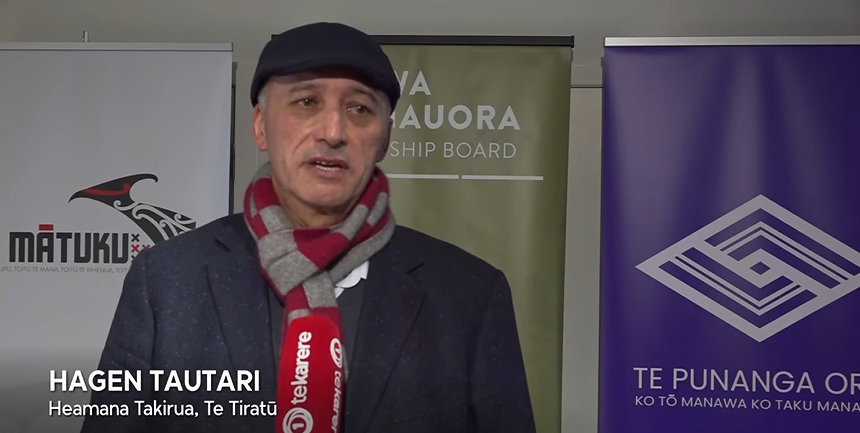
Iwi leaders unified in opposition against Pae Ora (Healthy Futures) Bill changes
Māori leaders have come together in Taranaki to oppose proposed changes to the Pae Ora (Healthy Futures) Bill, which they say will undermine their role in the health system and threaten hard-won gains in Māori health equity. Lineni Tuitupou was there.
Original Source: https://www.facebook.com/watch/?mibextid=wwXIfr&v=1926571778183675&rdid=5UCyfaiXo9YTCpqD
Monitoring Report #1
Under Section 30(1) of the Pae Ora Act 2022, Iwi-Māori Partnership Boards (IMPBs) are tasked with monitoring the performance of the health sector within their rohe. These quarterly monitoring reports represent Te Taura Ora o Waiariki’s commitment to that role – ensuring accountability, equity, and tangata whenua perspectives are embedded in the health system.
This first report outlines the foundations of our monitoring approach:
- How we define the health sector in a Waiariki context
- The phased introduction of our monitoring work
- The performance indicators we have selected
- And the results of monitoring for the most recent quarter
These reports are a key tool in our ongoing mahi to strengthen whānau wellbeing, highlight disparities, and guide transformation through a kaupapa Māori lens. As the reporting series continues, we will build on these insights to ensure that the voices of our people are not only heard – but drive real change.
To download the PDF, click on the three dots ⋯ and select “Download PDF File.”

Milestone for Iwi Māori Partnership Boards
Health Minister Dr Shane Reti says Iwi Māori Partnership Boards have taken a major step as part of the Government’s commitment to the health of Māori communities.
Minister Reti has now received 15 IMPB community health plans, representing the vision and plans of the boards for health and wellbeing in communities throughout New Zealand.
“Receiving these plans is a hugely significant milestone in implementing my long-term vision for Māori health,” says Dr Reti.
“Having all 15 recognised IMPBs on board with their planning marks a pivotal step in ensuring health services identify and act on the actual needs and priorities of Māori communities.
“Development of the plans not only underscores the professionalism of the IMPBs in delivering them, but the content will also align and inform around key Government health targets, and in ensuring a Māori voice is heard in health.
“These are localised rather than bureaucratised plans, providing crucial insights into health priorities for actual populations. From here, they will also ensure local voices are heard and integrated into our broader health strategy
“These plans are not just documents. they are living frameworks to guide our efforts to better address specific health challenges faced by Māori communities.
“Their prioritisation of local needs means agencies can take meaningful steps towards reducing actual health inequities. Through engagement with local whānau, IMPBs have been able to identify specific priorities and actions in addition to the Government’s overarching health targets.
“Examples of these priorities include access to oral health care, suicide prevention and growing the Māori health workforce.
“The Ministry of Health – Manatū Hauora, Health New Zealand – Te Whatu Ora and Iwi Māori Partnership Boards will now work cohesively to finalise the plans, support the relevant IMPBs, and begin implementation over the next three to five years.
“The plans will become the base for IMPBs being able to act on their strategic commissioning role, however it remains important to recognise that each IMPB is currently at a different level of capacity for delivery.
“This year’s 2024/25 budget increase of an additional $40 million per annum through Health NZ will contribute to addressing hauora Māori provider inflation pressures and continued service provision to Māori communities.
“I look forward to the positive impact these plans will have on the health priorities of Māori communities and the ongoing collaboration with all stakeholders to achieve our shared goals,” Dr Reti says.
Once finalised, the Community Health Plans will be published on the IMPB and Health New Zealand websites.
Original Article posted on the Beehive Website: https://www.beehive.govt.nz/release/milestone-iwi-m%C4%81ori-partnership-boards




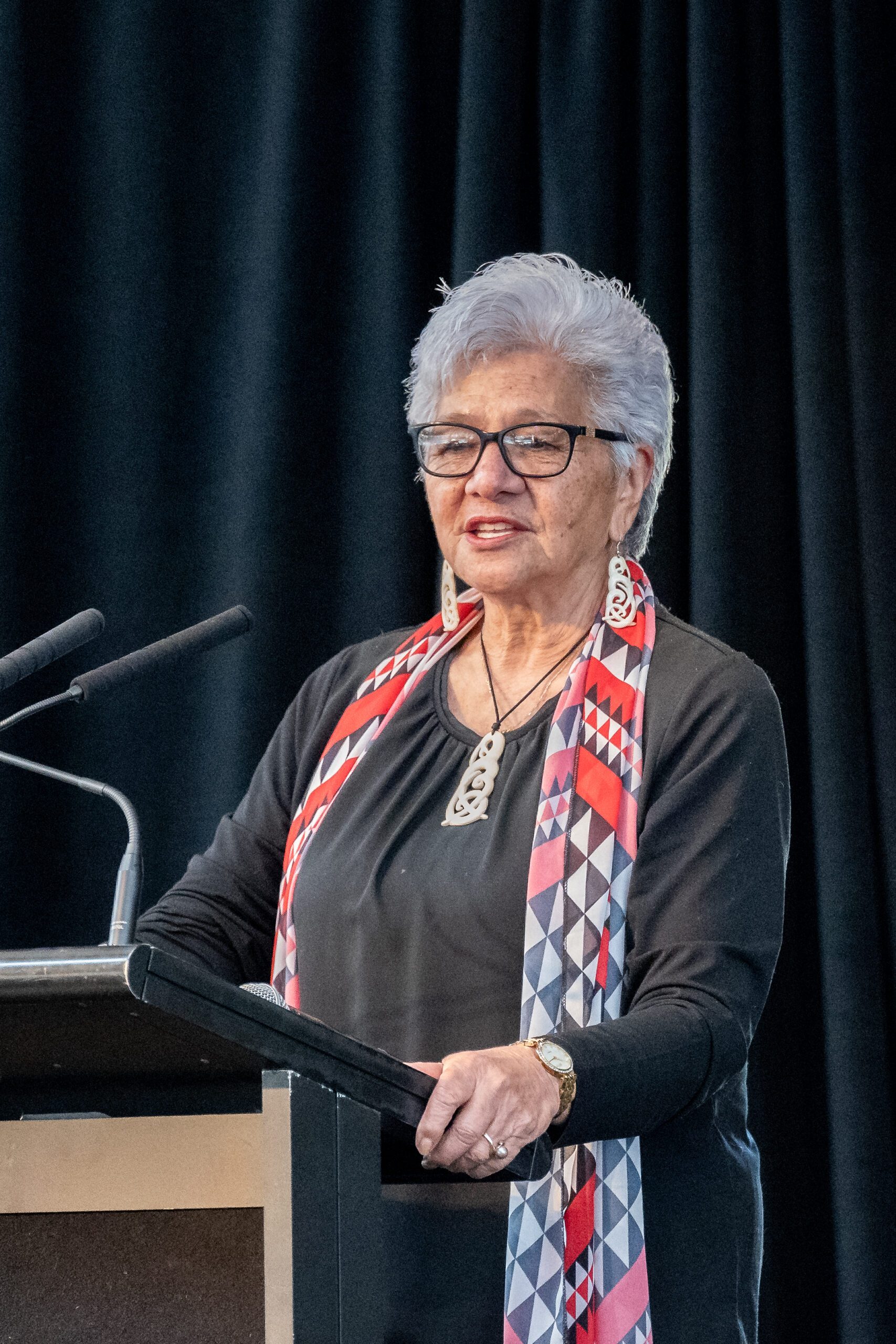
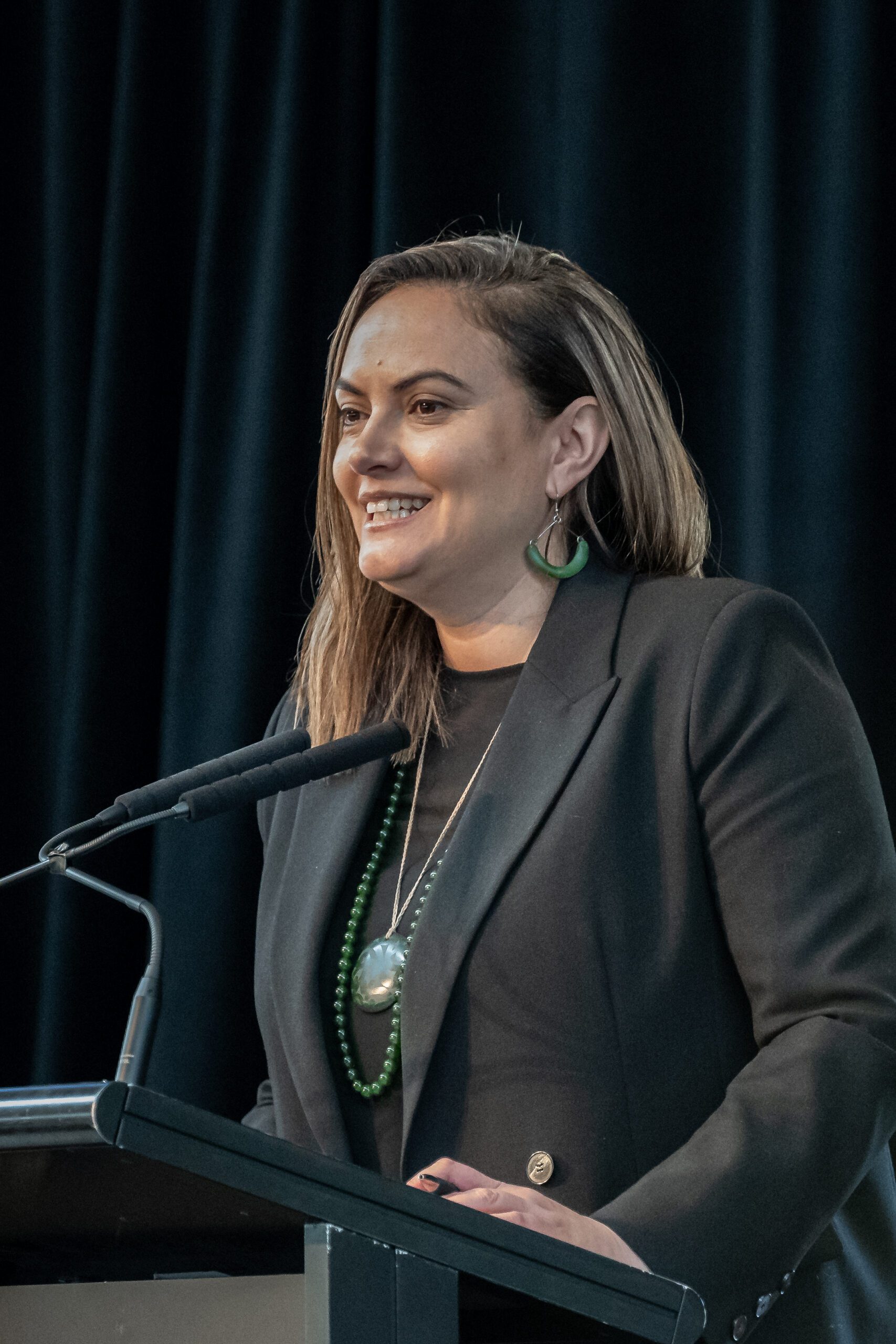
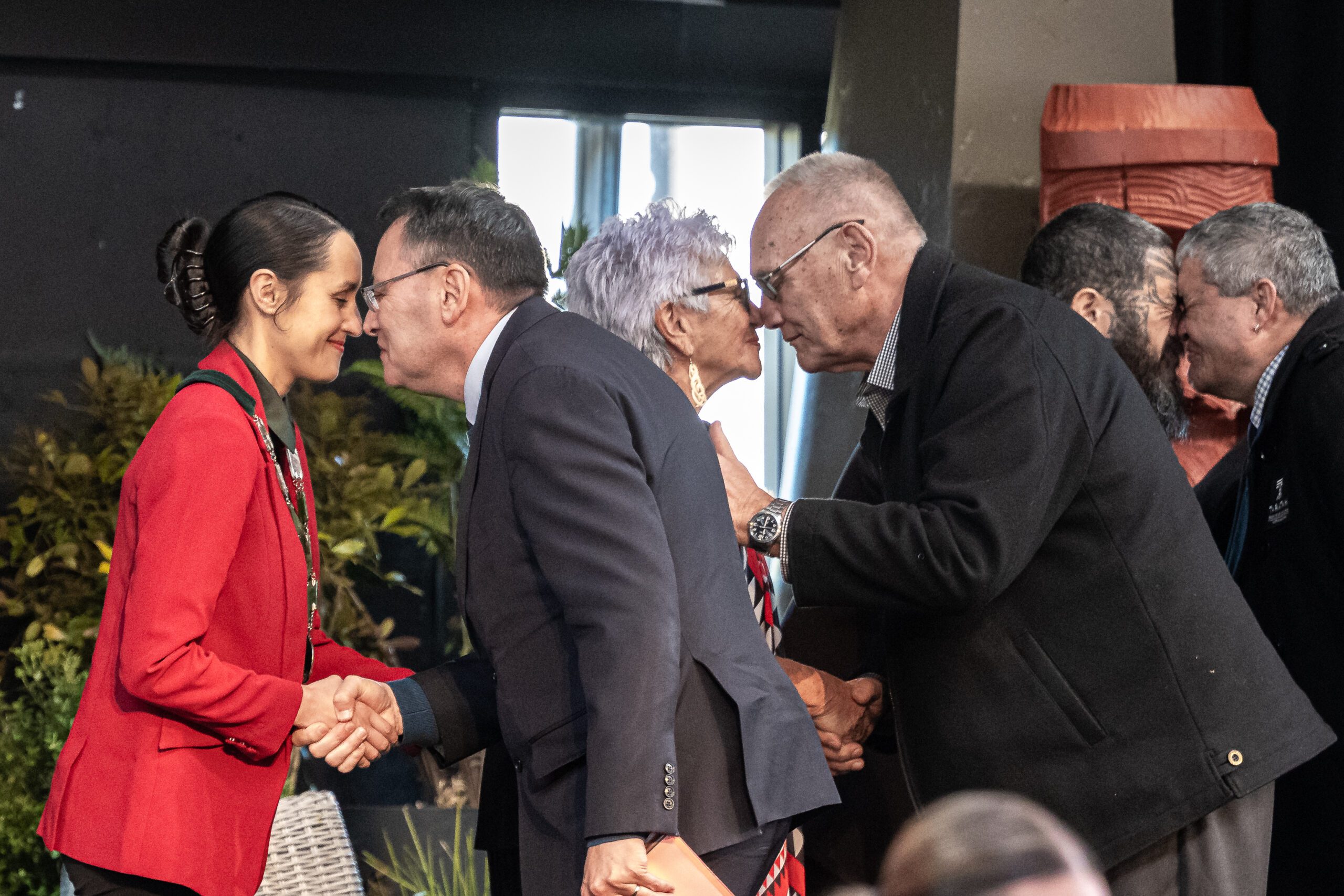
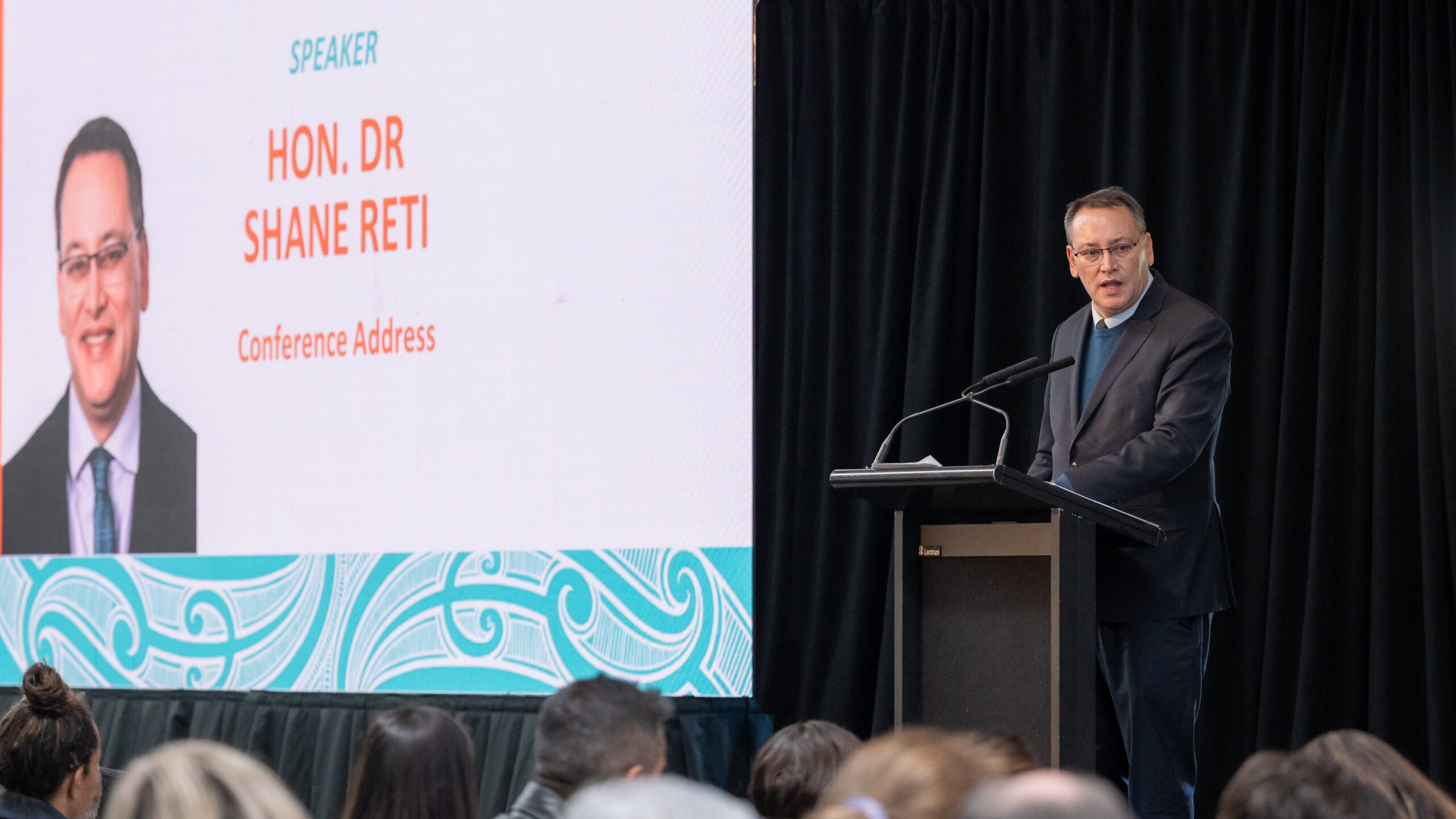
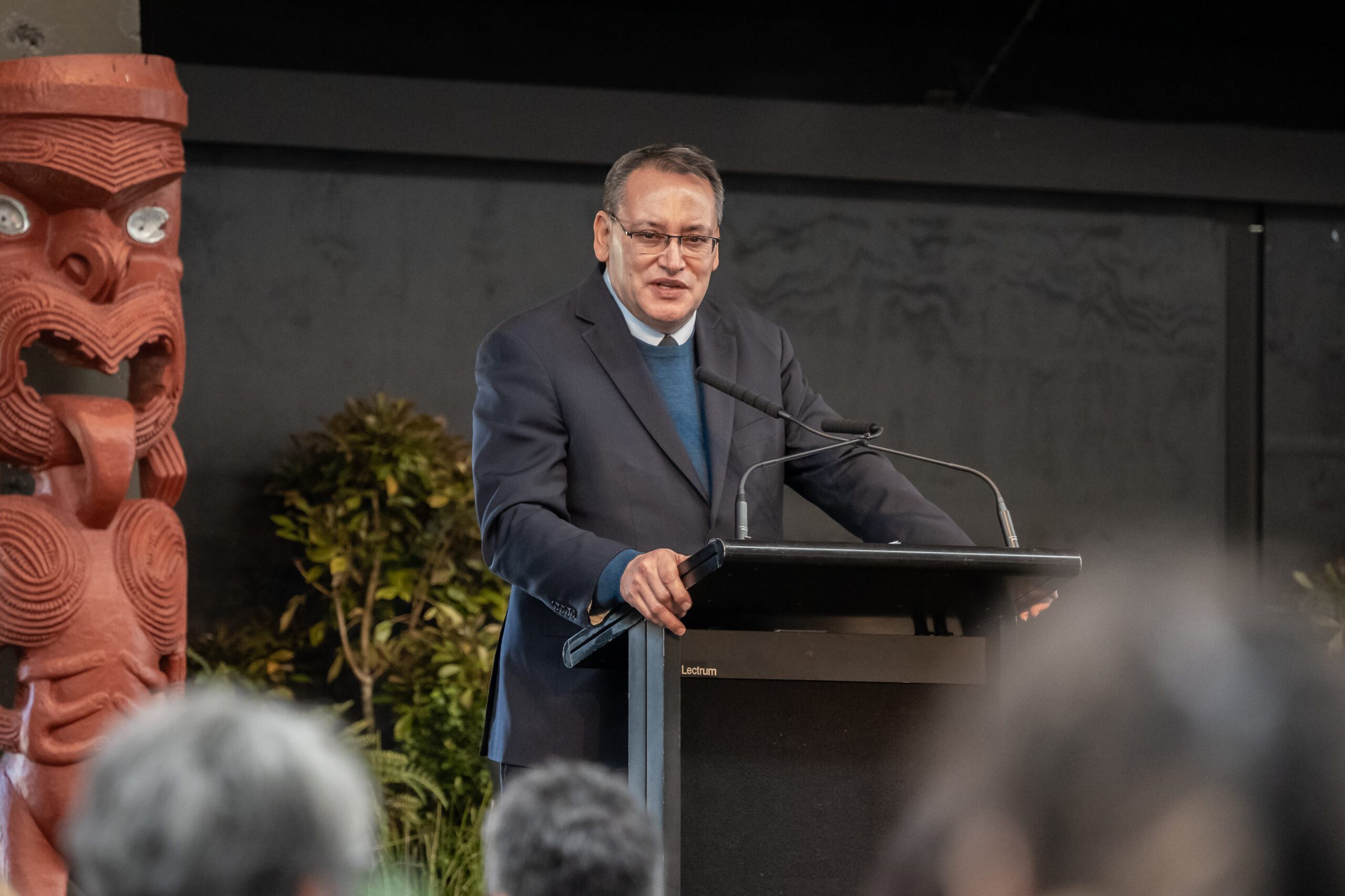
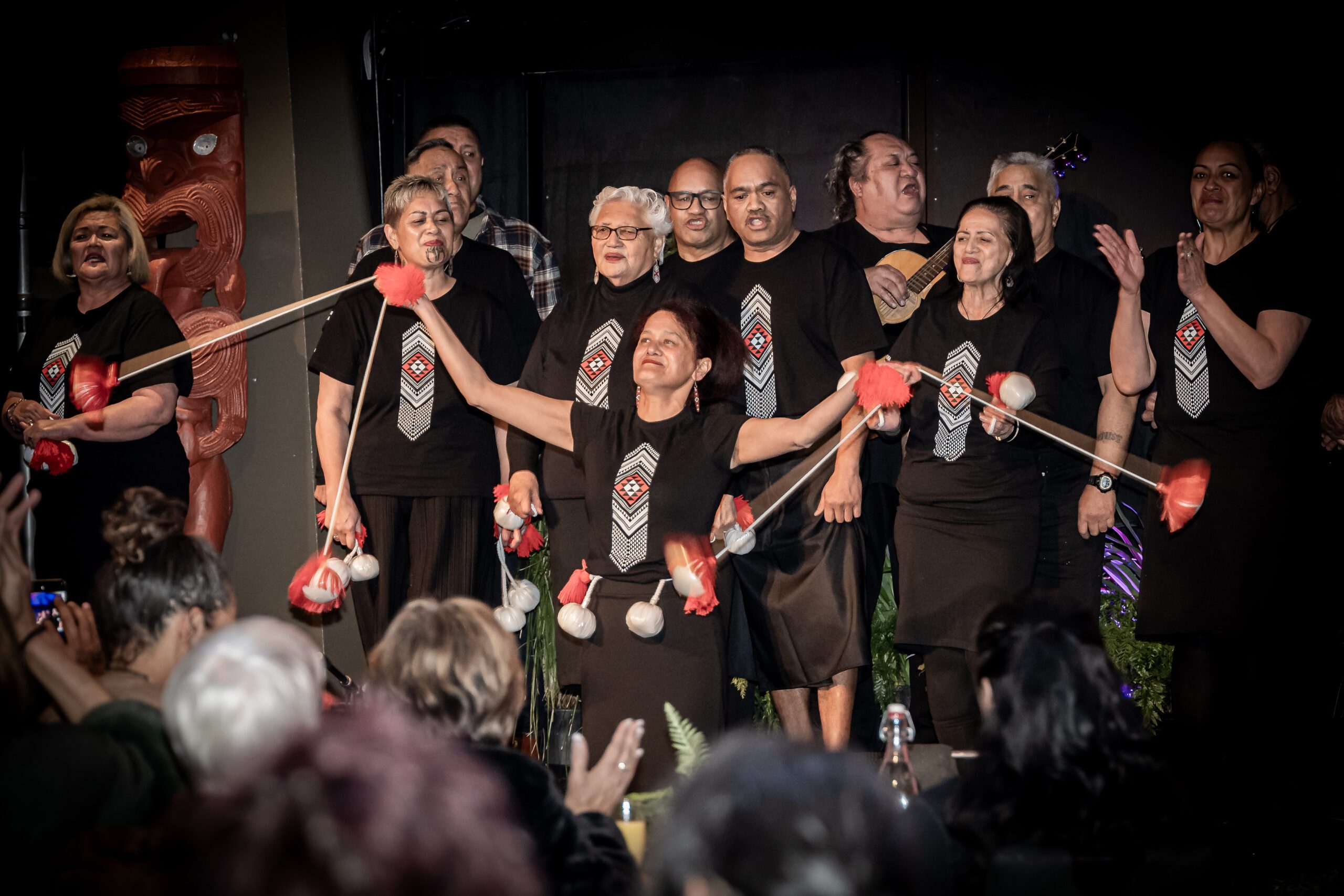
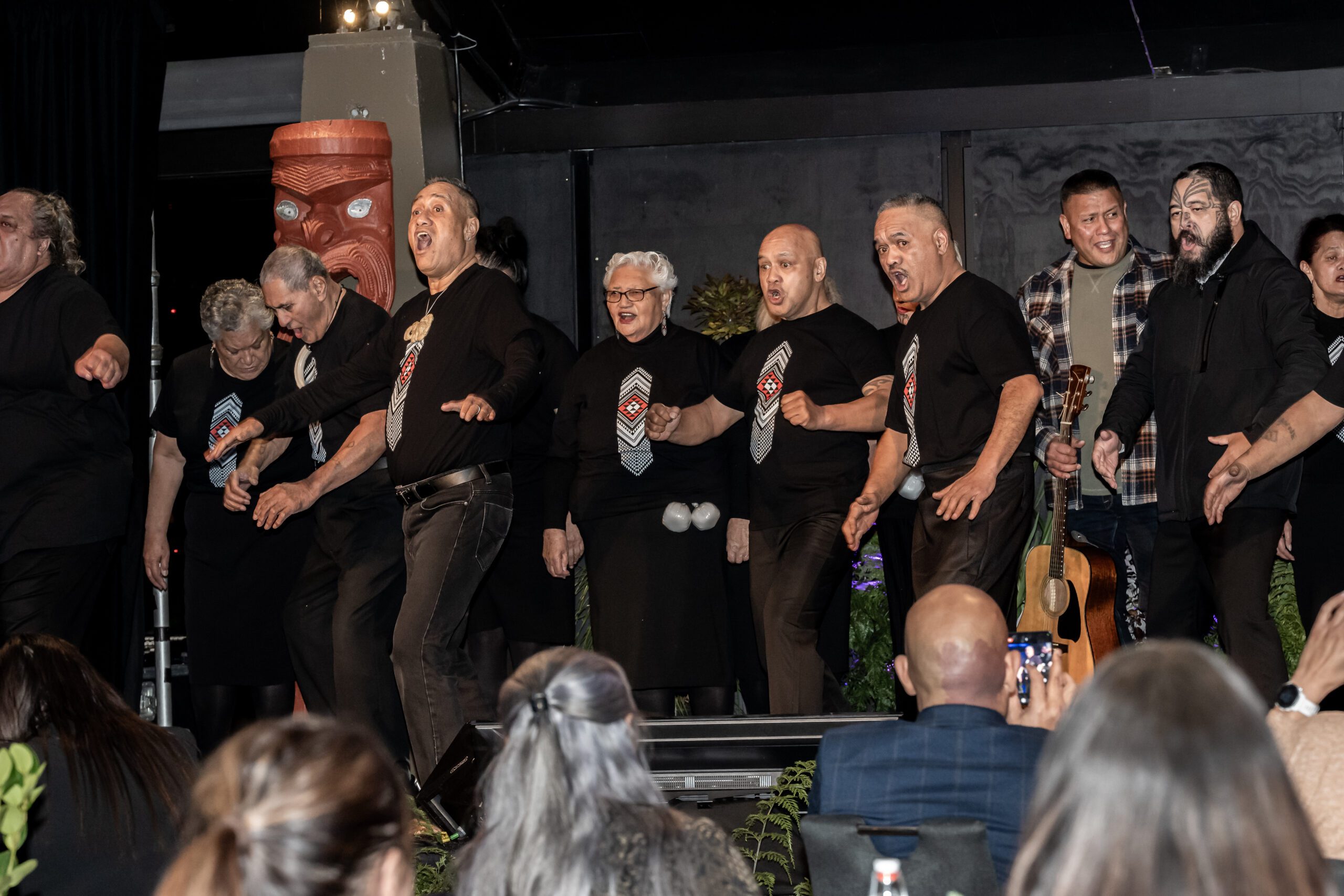
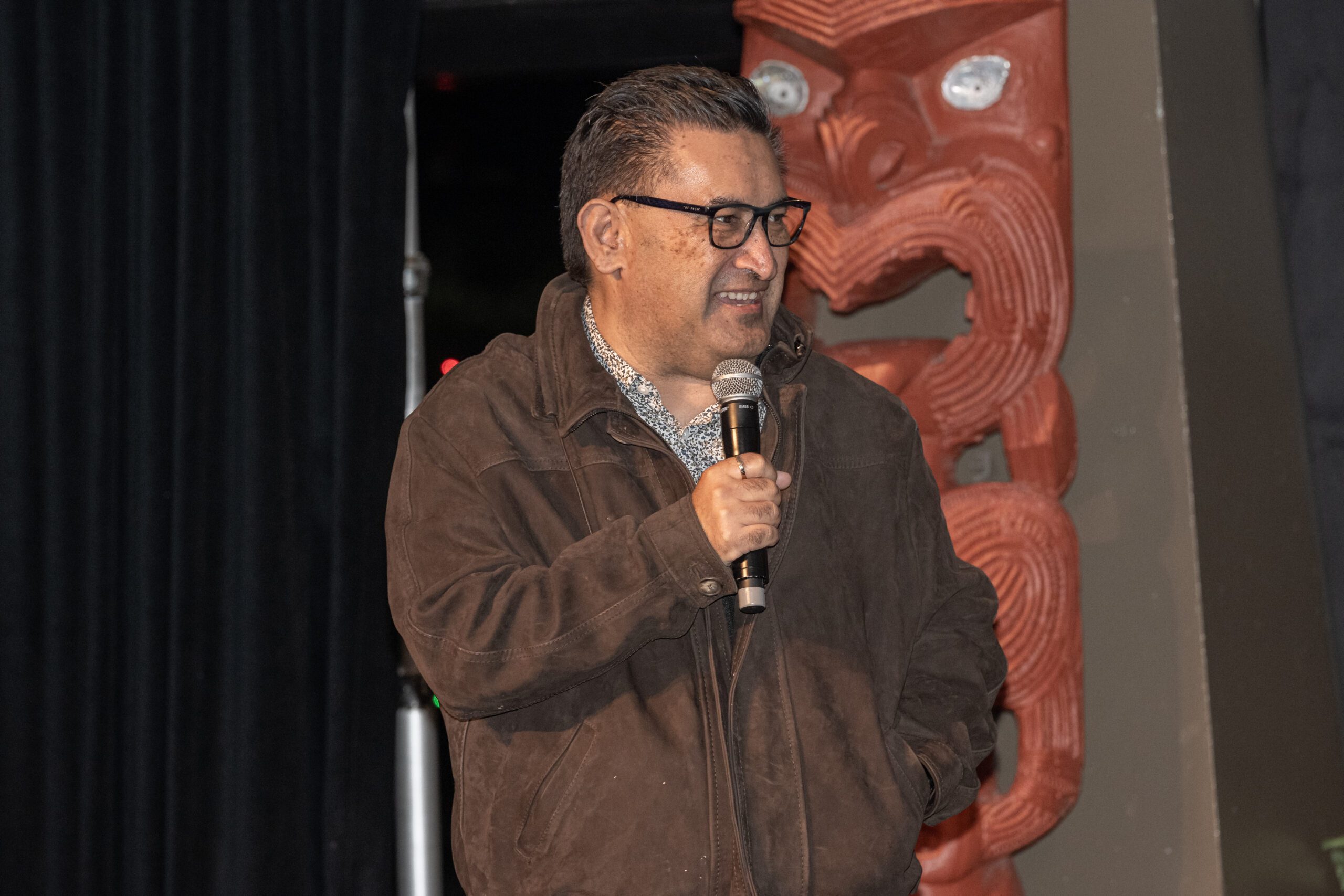
Minister Reti in Christchurch
Minister of Health Dr Shane Reti addressed Iwi-Māori Partnership Boards in March of this year and affirmed he will strengthen the role of IMPBs nationally. His speech spoke of a new dream for Māori Health that included timely access to quality healthcare and acknowledged that wider social determinants play a critical role in the overall health and wellbeing of whānau.
“I want to paint a vision for Māori and all New Zealanders. My vision is that all New Zealanders will have timely access to quality healthcare. That is the mission statement”
Te Taura Ora o Waiariki travelled to Otautahi for this hui and had the priviledge of speaking with the Minister one on one where we discussed the social issues our rohe faces and how we can support our people by breaking down cross sectoral silos. The Minister acknowledged that 80% of a persons overall wellbeing is determined by socail impacts and only 20% can be attributed to clinical health.
Do not be daunted. I know that each IMPB will have its own aspirations and plan, and we would like to work with you to facilitate a process where you are resourced to test and develop ways of working, which would then provide good evidence to inform longer-term resourcing. I know there are models that have worked before that we can better support, like the COVID-19 Care in the Community model.
Click here to read the Minister’s speech in full
