
Te Taura Ora Defends Māori Voice in Health Reforms
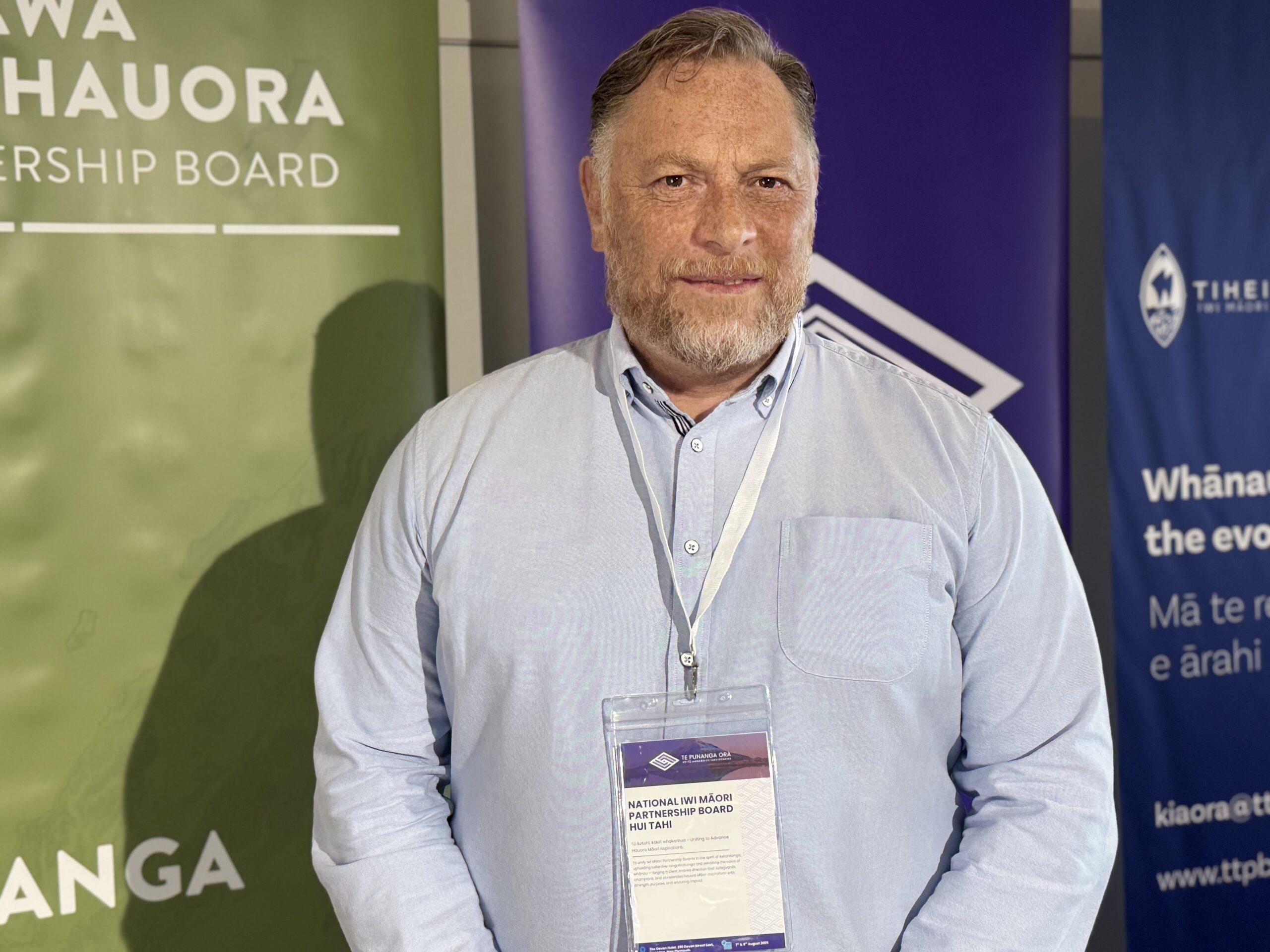
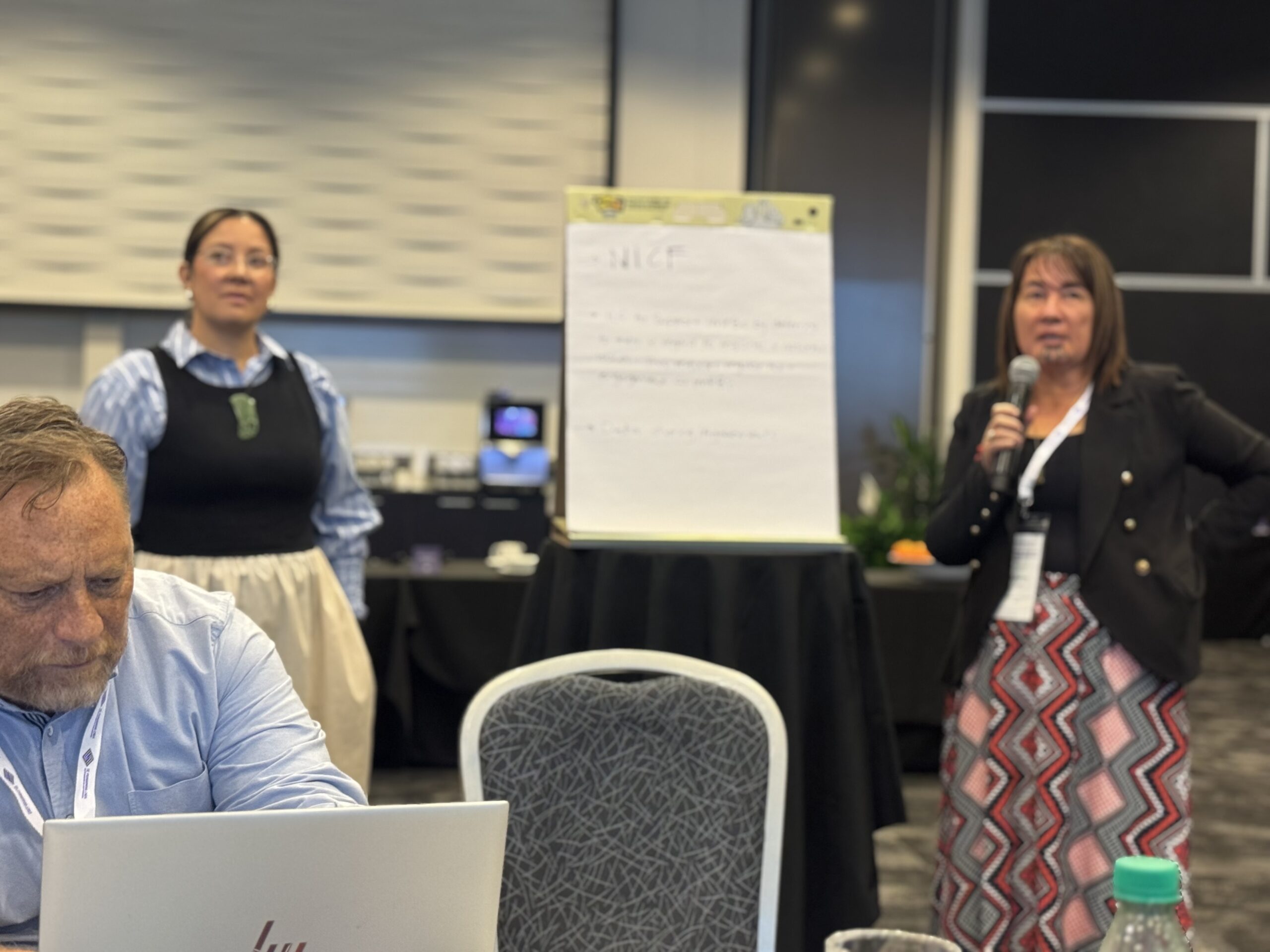
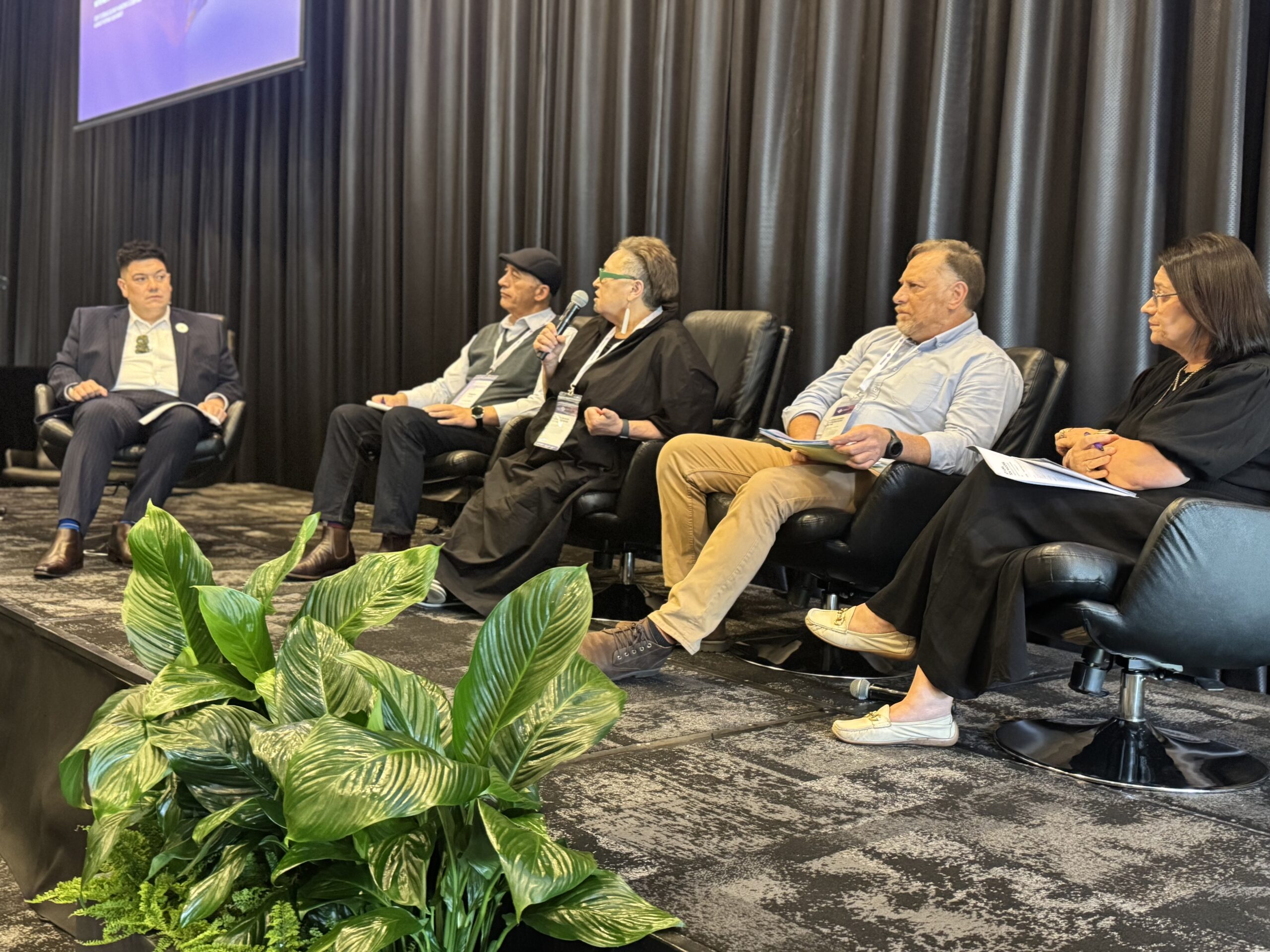
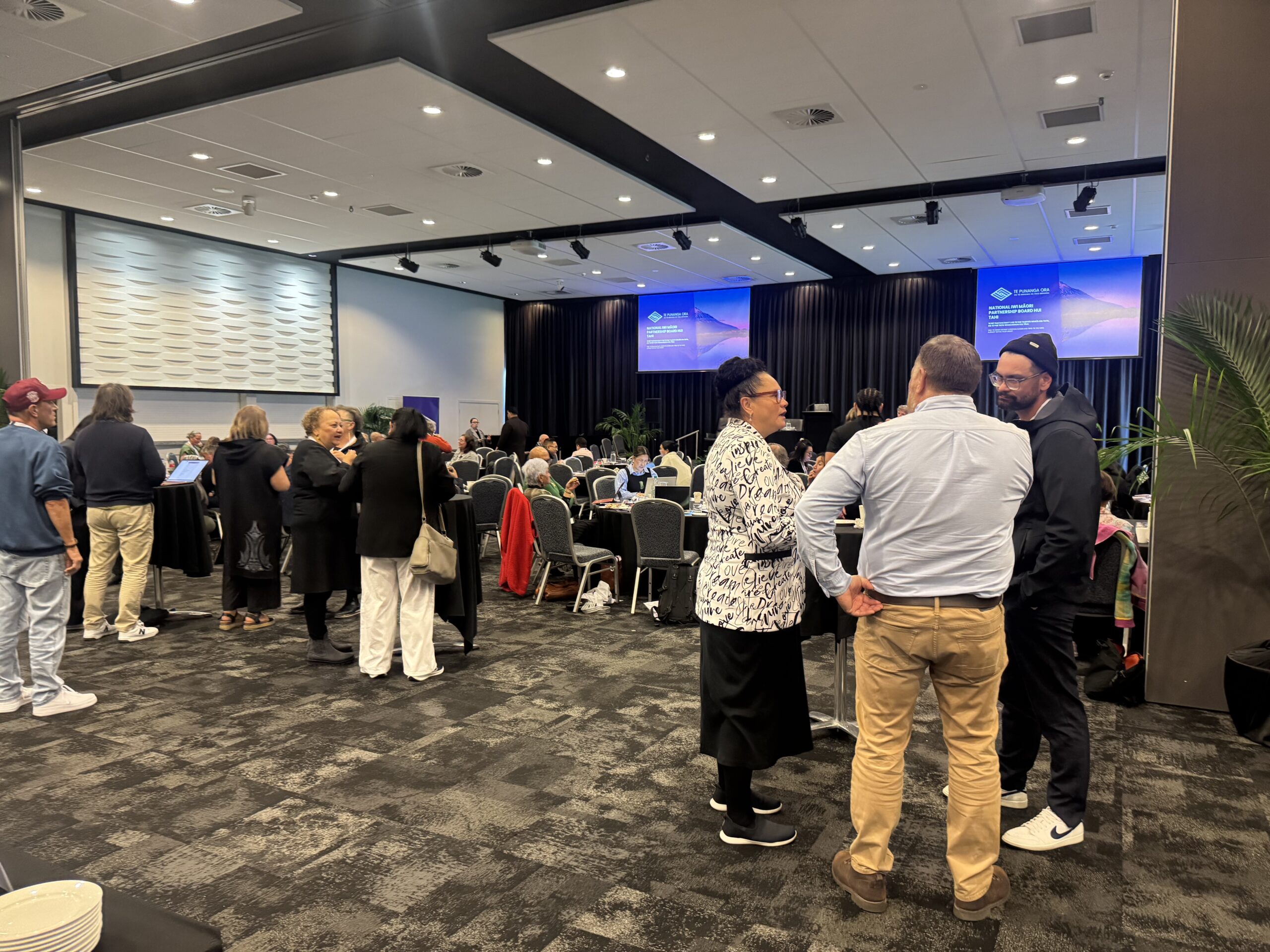
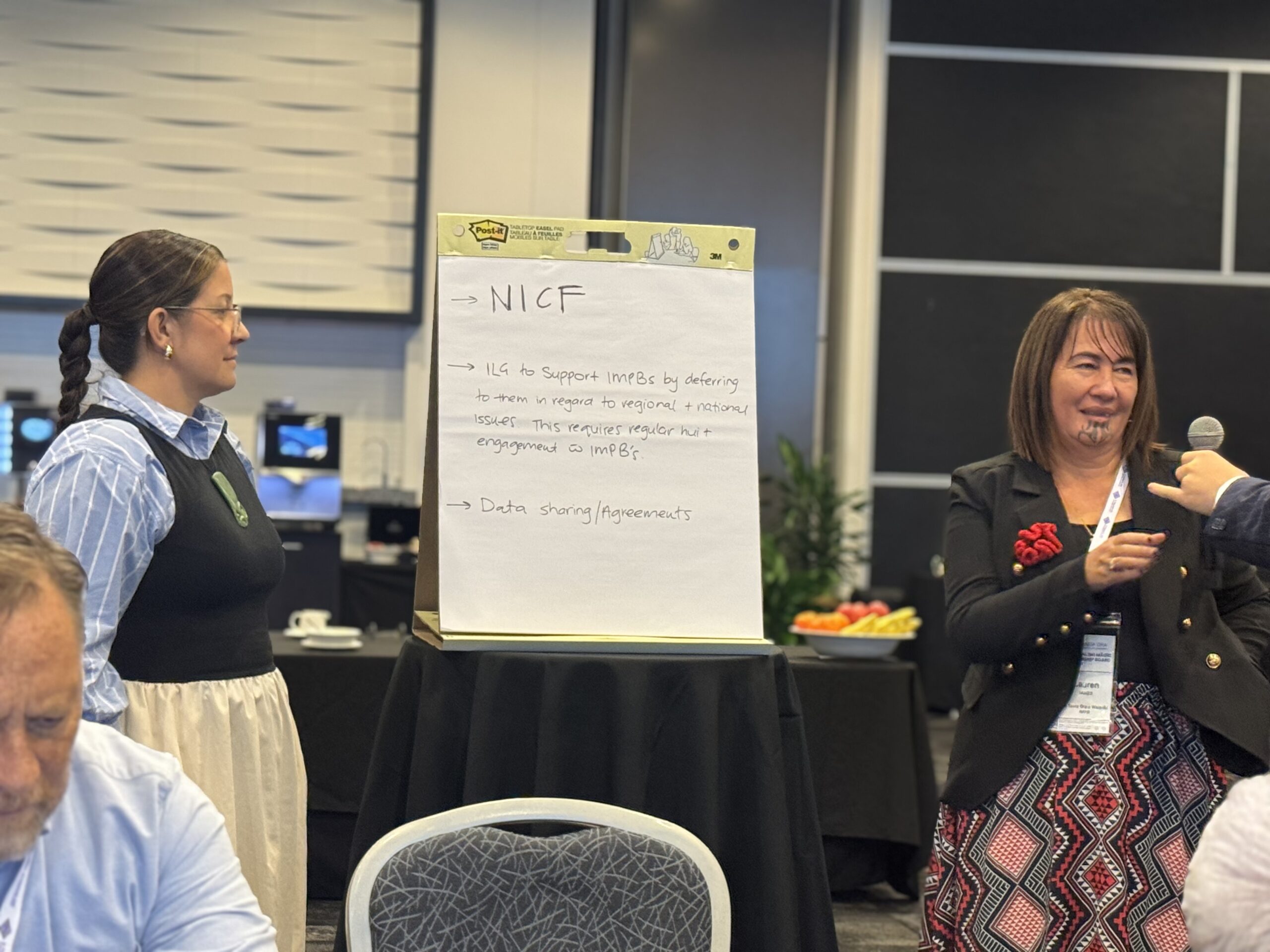
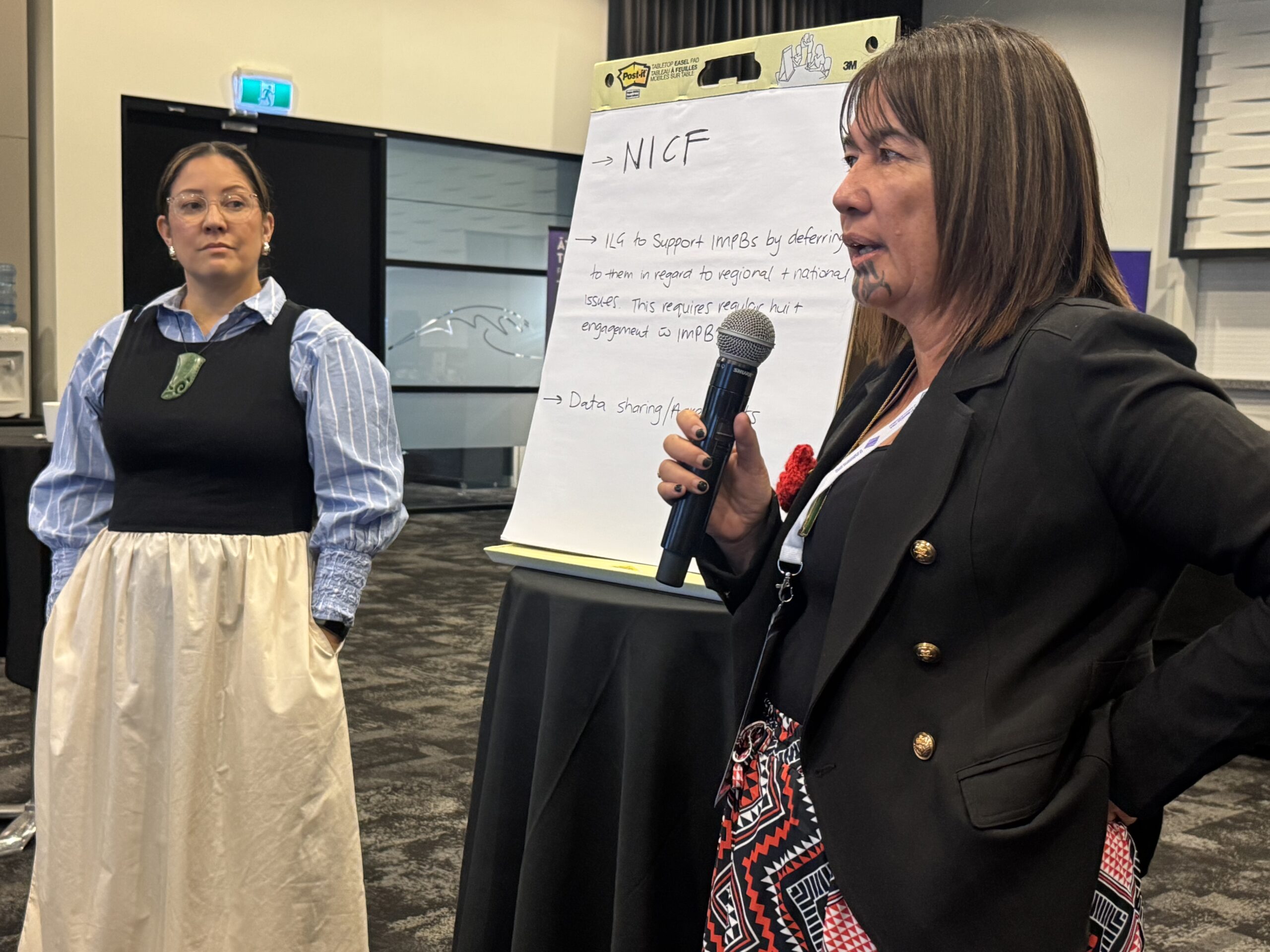
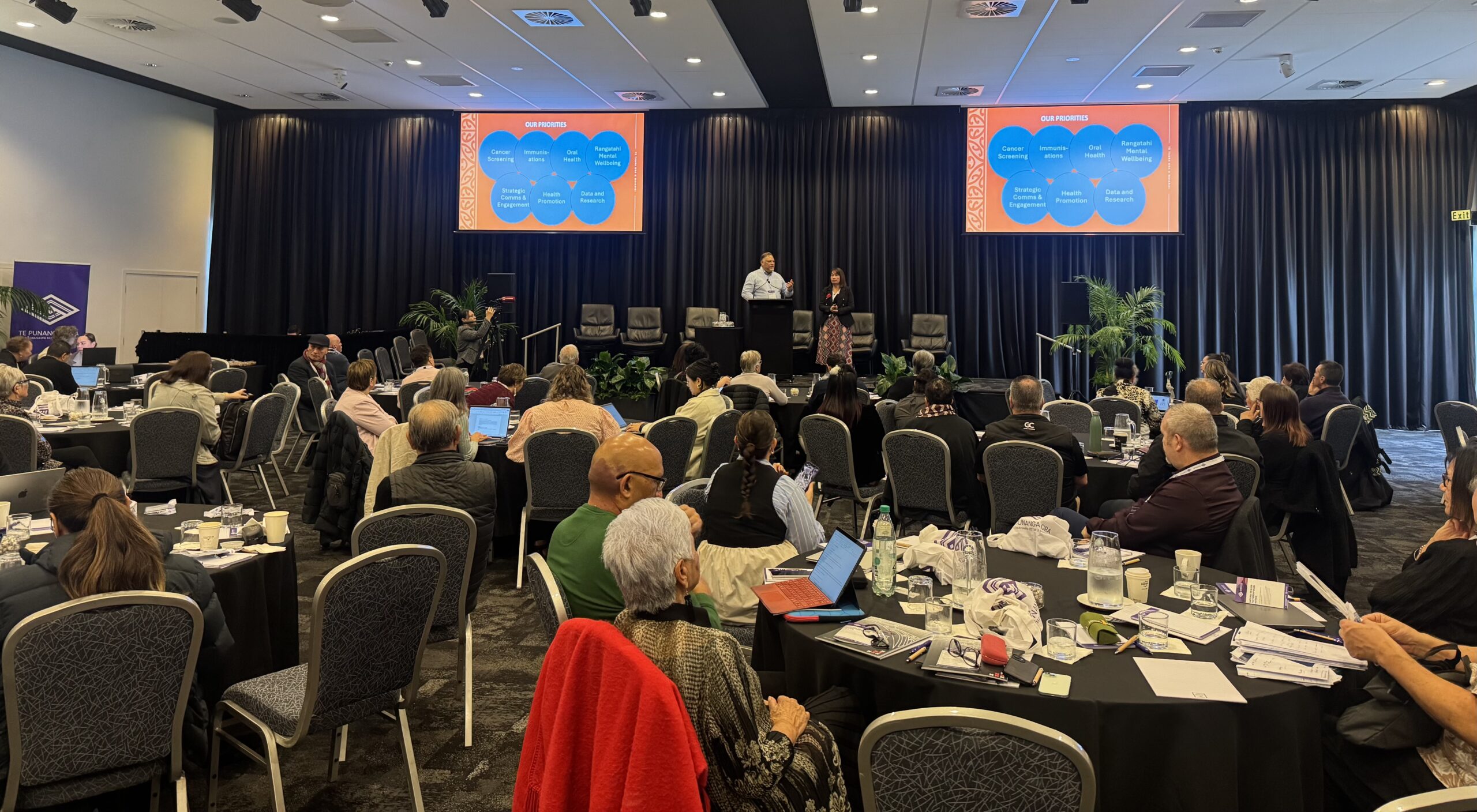
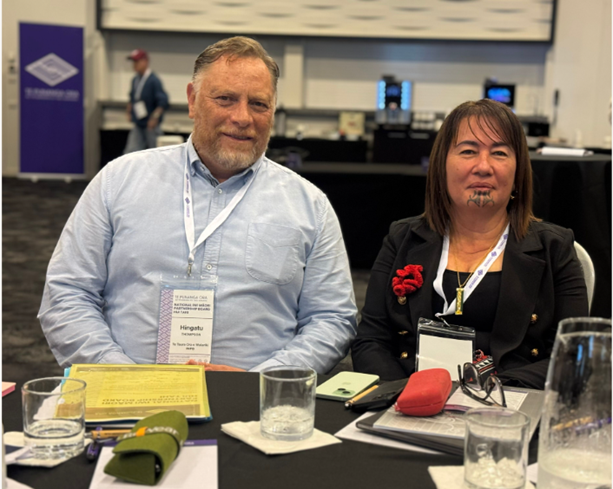
Te Taura Ora o Waiariki joined all 15 Iwi Māori Partnership Boards (IMPBs) this week at a historic hui hosted by Te Punanga Ora in New Plymouth, Taranaki. The gathering brought together representatives of around 914,400 Māori across Aotearoa to respond to proposed reforms under the Pae Ora (Healthy Futures) Act, which would significantly reduce the statutory role of IMPBs in the health system.
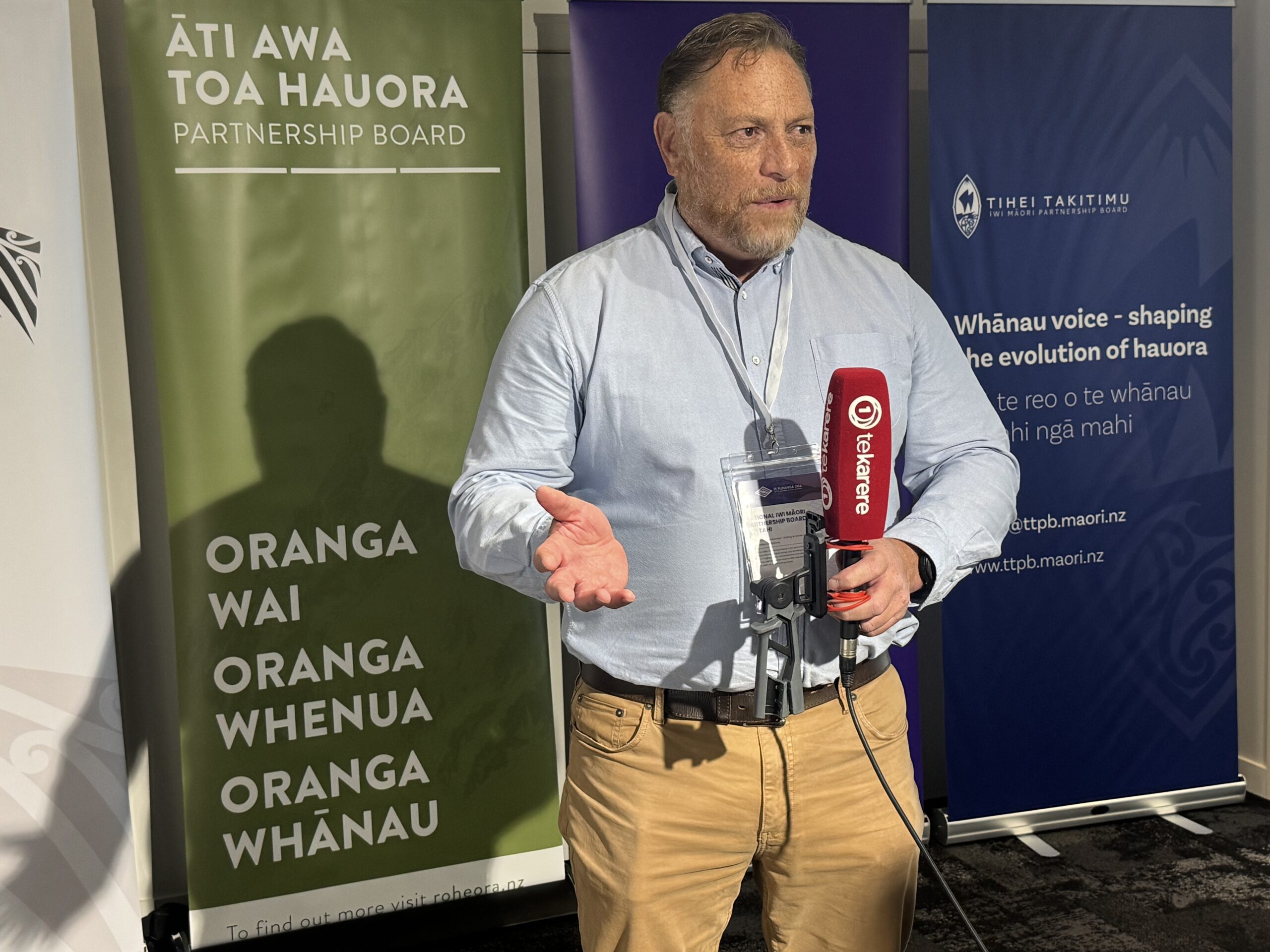
The proposed changes would remove the boards’ monitoring powers, a critical function that ensures health services are accountable to Māori communities and responsive to local needs. Te Taura Ora o Waiariki Chair, Hingatu Thompson, emphasised the importance of iwi-led engagement and local influence.
“The opportunity of the IMPB is to make a difference in hauora, and that will be minimised by the Crown if they stop opportunities to engage. We want to work locally because that is where we can make a difference for our people, for Te Arawa, and for Māori within our rohe,” he said.
Hingatu also warned against how the government is reducing Māori engagement. “Streamlining, I believe, is a convenient word to reduce engagement in Māori. The government says the changes won’t have much impact on Māori outcomes, but the system is only now starting to show results. We’re starting to engage locally, starting to work more with Health NZ leadership, and that is where we can make a real difference.”
Fellow Board member, Lauren James facilitated a panel kōrero, opening with a vision for the future.
“As Māori, we’ve been talking about the devolution of health services for decades. It’s time we got serious and started demanding it now. We don’t just want services delivered to our communities because we can deliver them better ourselves, with better outcomes for our people. Devolution has to be a priority, across public, private, and philanthropic sectors,” she said.
Reflecting on the role of Te Arawa and the wider iwi network, Hingatu said: “As we analyse and monitor what the sector is doing for Māori, it’s clear it hasn’t been performing well, something we’ve known for years. But the mana has returned to Te Arawa, allowing us to form our own views, interpret the data ourselves, and gather our own information.”
He opposed the Pae Ora Bill, saying, “The changes the government is proposing would actually remove iwi from having a say in how hauora is shaped. Locally and regionally, it’s essential that iwi have the space to provide our own input.”
The two-day hui included a pōwhiri, keynote addresses from a representative of the Hauora Iwi Leaders Group from the National Iwi Chairs, workshops, panel discussions, and strategy sessions. The collective affirmed their commitment to upholding tino rangatiratanga as guaranteed under Article Two of Te Tiriti o Waitangi.
Te Taura Ora o Waiariki, alongside fellow IMPBs, remain steadfast in protecting Māori leadership and accountability in the health system, advocating for local voices to be at the centre of decisions that affect Māori whānau and communities.
Media Liaison: Sarah Sparks Email: Sarah.sparks@sparksconsulting.co.nz Mobile: 021318813
Te Pākira Hauora Clinic
In early 2025, Te Pākira hosted its very first hauora clinic, supported by Te Rūnanga o Ngāti Pikiao, and the response from whānau was incredible.

Māori health front and centre from cancers to overall hauora
Waatea News Radio Interview
Rawiri Bhana is a strategic leader with Te Taura Ora o Waiariki, bringing deep expertise in Māori governance, tikanga, and land development to advance iwi aspirations across the Te Arawa rohe. As Aotearoa faces deepening health inequalities and the ongoing fallout from the disestablishment of the Māori Health Authority (Te Aka Whai Ora), Māori-led health solutions are proving to be not just necessary-but transformative. Grounded in whakapapa, wairua, and whānau-centred care, iwi, hapū, and Māori providers across the motu are building a parallel system of care designed by Māori, for Māori.
Despite decades of health reform, Māori continue to experience:
-
A 7-year life expectancy gap compared to non-Māori
-
Higher rates of preventable diseases, including diabetes, cancer, and heart disease
-
Barriers to accessing care, including institutional racism, cost, and cultural disconnection
These disparities have led to a rising demand for Māori-led responses that prioritise mana motuhake-self-determination-and reflect a holistic view of health grounded in te ao Māori.
Original Article Source: https://waateanews.com/2025/07/08/ata-tu-rawiri-bhana/
Monitoring Report #1
Under Section 30(1) of the Pae Ora Act 2022, Iwi-Māori Partnership Boards (IMPBs) are tasked with monitoring the performance of the health sector within their rohe. These quarterly monitoring reports represent Te Taura Ora o Waiariki’s commitment to that role – ensuring accountability, equity, and tangata whenua perspectives are embedded in the health system.
This first report outlines the foundations of our monitoring approach:
- How we define the health sector in a Waiariki context
- The phased introduction of our monitoring work
- The performance indicators we have selected
- And the results of monitoring for the most recent quarter
These reports are a key tool in our ongoing mahi to strengthen whānau wellbeing, highlight disparities, and guide transformation through a kaupapa Māori lens. As the reporting series continues, we will build on these insights to ensure that the voices of our people are not only heard – but drive real change.
To download the PDF, click on the three dots ⋯ and select “Download PDF File.”
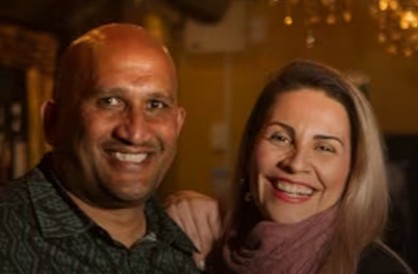
Insights From Rawiri Bhana on Te Arawa Hauora Data Stories
Te Hiku Radio Interview
I te ata nei kōrero tahi ai mātou ki a Rawiri Bhana e pā ana ki ngā “Te Arawa hauora data stories”, me ngā hua o tēnei mō te iwi o Te Arawa. Anei āna kōrero.
[This morning we had a conversation with Rawiri Bhana about the “Te Arawa hauora data stories” and the benefits of this for the Te Arawa people. Here is what he said.]
Original Article: https://tehiku.nz/te-hiku-radio/kuaka-marangaranga/53517/insights-from-rawiri-bhana-on-te-arawa-hauora-data-stories
Health Profile - Volume 2
To download the PDF, click on the three dots ⋯ and select “Download PDF File.”
Health Profile - Volume 1
To download the PDF, click on the three dots ⋯ and select “Download PDF File.”