Whānau Voice Grant Inaugural Funding Round Opens
Pitch Us Your Best Idea!
Today Te Taura Ora o Waiariki launches our very first Whānau Voice Grant kaupapa, a $50,000 community fund created to uplift whānau-led ideas that can transform health and wellbeing across our rohe.
We know whānau are the experts in their own lives. This grant is about supporting those who have ideas, experiences, and stories that can make a real difference.
“Got an idea that can make a difference to hauora? Now’s your chance to share your whakaaro, your way,” says Te Taura Ora o Waiariki General Manager Aroha Dorset. “We believe whānau are the experts in their own health journeys. This grant helps bring those lived experiences to the forefront of change.”
Whānau-led ideas that shape the future
Ten $5,000 grants are available in this first round. Whether your project is just beginning or already underway, it’s your opportunity to shine a light on what works for your people.
Your idea might take shape through hui, wānanga, workshops, surveys, storytelling, or creative projects like film, digital storytelling, or art. What matters most is that your kaupapa captures the voice of your whānau and helps influence how health services are designed in the future.
This isn’t about delivering services, it’s about sharing insights, inspiring change, and making sure Māori voices lead in the transformation of our health system.
Grounded in tikanga Māori
Te Taura Ora represents more than 32,000 Māori across the Waiariki rohe. This grant continues our commitment to Te Tiriti-led, iwi-driven health solutions that reflect our people and values.
“This isn’t just about funding it’s about using creative power with purpose,” says Dorset. “By sharing your stories and ideas, your whānau can help shape a health system that listens to our people and reflects our realities.”
Projects that uplift the voices of kaumātua, rangatahi, tāngata whaikaha, and rural communities are especially encouraged.
Apply now
The Whānau Voice Grant is open from 5 November to 27 November 2025, and all applicants will be contacted by 12 December 2025.
To find out more and apply, visit: tearawaimpb.co.nz/whanau-voice-grant-guidelines

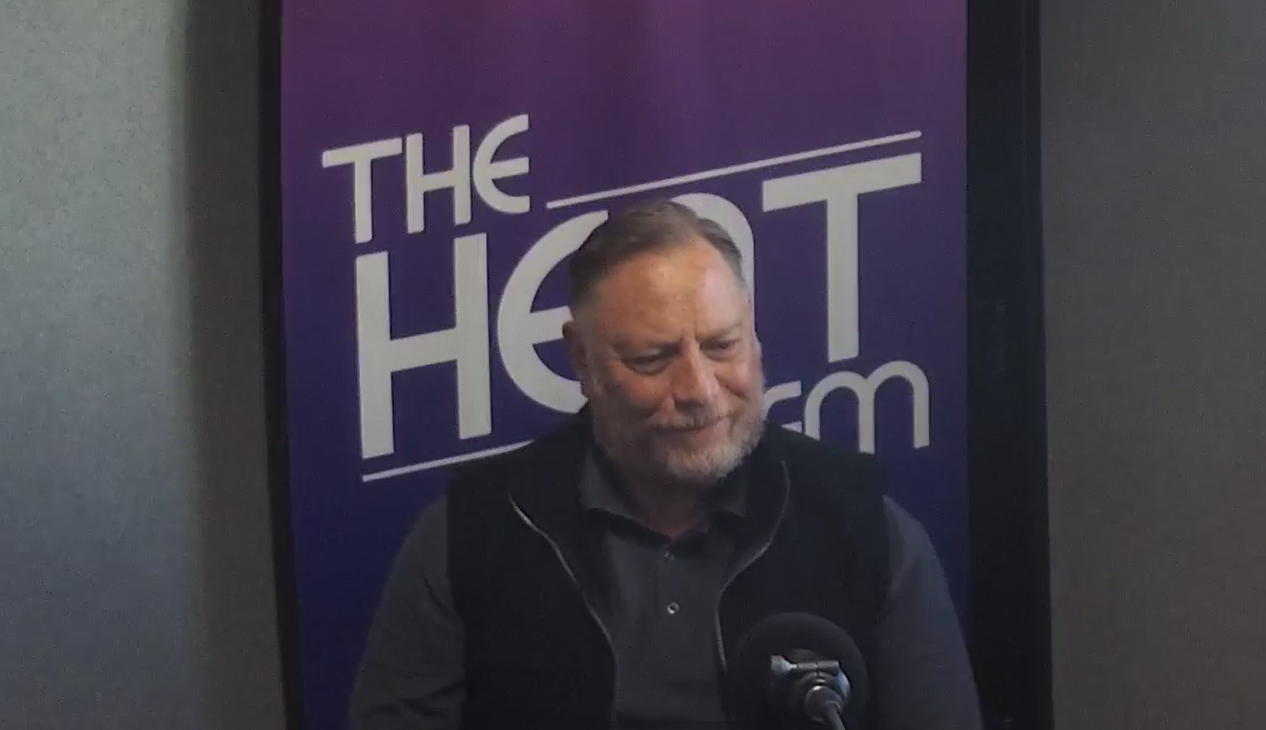
Kōrero with Hingatu Thompson Chair of Te Taura Ora o Waiariki - Te Arawa IMPB
The Chair recently joined The Heat FM – Turn It Up to kōrero about the Whānau Voice Grants and why your stories matter. He shared insights into the role of Te Taura Ora o Waiariki, the importance of Iwi Māori Partnership Boards, and how Whānau Voice helps shape better health outcomes for our communities. Learn how whānau can get involved and apply for support to bring their ideas to life.
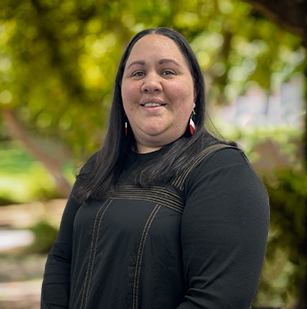
New Pou Oranga for Te Arawa IMPB to Drive Whānau Wellbeing in Te Arawa
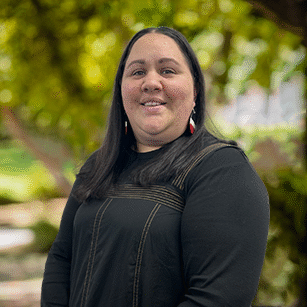
In a move to strengthen delivery on its strategic health priorities, Te Taura Ora o Waiariki, Iwi Māori Partnership Board has appointed Jeanette Te Ua-Hausman (Ngā Wairiki, Ngāti Apa) as Pou Oranga – Projects, a role focused on leading and coordinating kaupapa that advance the Board’s strategic priorities for hauora Māori across the rohe.
“We welcome Jeanette at a moment when the future of Māori health governance is at stake,” says Hingatu Thompson, Chair of Te Taura o Waiariki Iwi Māori Partnership Board. “Her appointment reflects our commitment to delivering Te Arawa-led solutions to the housing, health, and wellbeing challenges that are particularly acute in Rotorua.”
“Our whānau face complex social issues, from high housing stress and homelessness to the health inequities highlighted in the Waitangi Tribunal’s Hauora Report. In Waiariki, low cancer screening and immunisation rates show a public health system that too often falls short.”
“Jeanette brings expertise in housing strategy, community engagement, and multi-stakeholder coordination, enabling practical, culturally grounded solutions to overcrowding, damp homes, and the broader social determinants of health affecting Te Arawa whānau.”
The Board appreciates the value of Jeanette’s proven leadership in housing, project management, and iwi-led collaboration with a strong understanding of Tikanga Māori which strengthens the ability of Te Taura to deliver outcomes that are not only effective but mana-enhancing and grounded in Te ao Māori, reflecting the aspirations and realities of Te Arawa whānau.
Jeanette brings more than a decade of project and operational leadership across diverse sectors, housing advocacy, and iwi–Crown partnership work underpinned by a Bachelor of Applied Management in Project and Operations Management.
Most recently, as Housing Advisor for Whanganui District Council, she led strategic action plans for housing and homelessness, successfully managed complex projects addressing social determinants of wellbeing and facilitated housing action groups, coordinating multi-stakeholder initiatives with Iwi, hapū, and government agencies. Her career also spans leadership roles in real estate, manufacturing operations, and human resources, with a consistent focus on building kaupapa that improve community wellbeing.
As Pou Oranga, Jeanette will manage the delivery of key projects from the IMPB’s annual work programme, including initiatives addressing housing, poverty, and food security – critical social determinants of health. She will also strengthen partnerships across iwi, hapū, providers, and Crown agencies to ensure Te Arawa aspirations are at the centre of local system change.
Her appointment comes at a time when Rotorua is experiencing both a housing crisis and significant health reforms with the Pae Ora (Healthy Futures) Bill. With Te Whatu Ora restructuring frontline services, the role of IMPBs in shaping local solutions has become even more critical.
“Jeanette’s experience leading iwi–Crown partnerships in the housing space makes her uniquely placed to progress Te Arawa-led solutions,” says Thompson. “This appointment signals our determination to move beyond business-as-usual and deliver transformational change for our whānau.”
Media Liaison: Sarah Sparks Email: Sarah.sparks@sparksconsulting.co.nz Mobile: 021318813
After Health NZ Data & Digital Cuts, Te Arawa IMPB Invests in New Data Platform & Capability
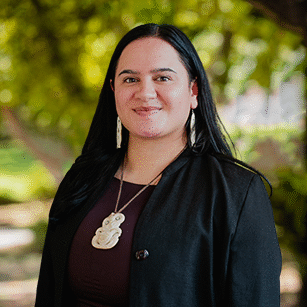
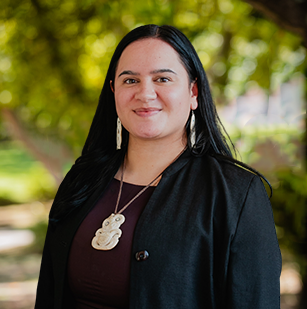
Te Taura Ora o Waiariki, Iwi Māori Partnership Board is pleased to announce the appointment of Urukahinga Rei (Ngāti Whakaue, Tūhourangi) as Kaitātari, a role dedicated to strengthening data capability and ensuring Te Arawa whānau voices are paired with robust evidence to support better health outcomes.
“This appointment of Urukahinga reflects Te Arawa’s commitment to actioning Waitangi Tribunal findings in the historic Hauora Report, which made clear that Māori must lead the design and governance of our own health data to achieve equity,” says Hingatu Thompson, Chair of Te Taura Ora o Waiariki IMPB.
“The skills of Urukahinga in data analysis, research, and iwi engagement, alongside her deep grounding in Te Ao Māori, will ensure our work is driven by evidence that reflects the realities and aspirations of our Te Arawa whānau. Her role strengthens our capacity to deliver monitoring, reporting, and advocacy that is both data-informed and whānau-centred.”
As Kaitātari, Urukahinga will identify, describe, and map key datasets relevant to whānau hauora, while also supporting the team with project administration. Her work will be central to developing a data platform that upholds Māori data sovereignty principles and reflects Te Arawa aspirations for wellbeing.
A Raukuratanga of kōhanga reo and kura kaupapa Māori, Urukahinga brings both cultural depth and technical skill to the role. She has built a strong foundation in Māori data and research through her recent mahi with Te Kāhui Raraunga, where she developed an iwi data framework and profile, and with Te Akatea – Māori Principals Association, where she produced regional data analysis for Māori principals.
Her experience extends to working with the Mātauranga Iwi Leaders Group, Te Arawa Lakes Trust, and the National Hauora Coalition, where she supported Māori health initiatives and contributed to iwi education portfolios and research projects.
Currently completing a Bachelor of Māori Law and Philosophy at Te Wānanga o Raukawa, Urukahinga combines academic study with practical expertise in data analysis, research, and kaupapa Māori approaches.
Urukahinga is deeply motivated by the opportunity to contribute to iwi-led health solutions, weaving together her passion for kaupapa Māori research and data with a steadfast commitment to advancing the wellbeing of Te Arawa whānau. Her appointment signals a step forward in ensuring that evidence is not only rigorous but also reflective of Te Arawa values, realities, and aspirations.
“Guided by the principles of Māori Data Sovereignty championed by Te Mana Raraunga, this role strengthens the capacity of Te Arawa to protect and harness our own information in ways that empower whānau and support equitable health outcomes,” says Hingatu Thompson.
“All at a time when Te Whatu Ora Health New Zealand has disestablished or redeployed more than 1,800 data and digital roles nationally, this investment shows our determination to prioritise Māori-led data solutions and safeguard iwi voices in the health system.”
Media Liaison: Sarah Sparks Email: Sarah.sparks@sparksconsulting.co.nz Mobile: 021318813
Te Taura Ora IMPB Oral Submission
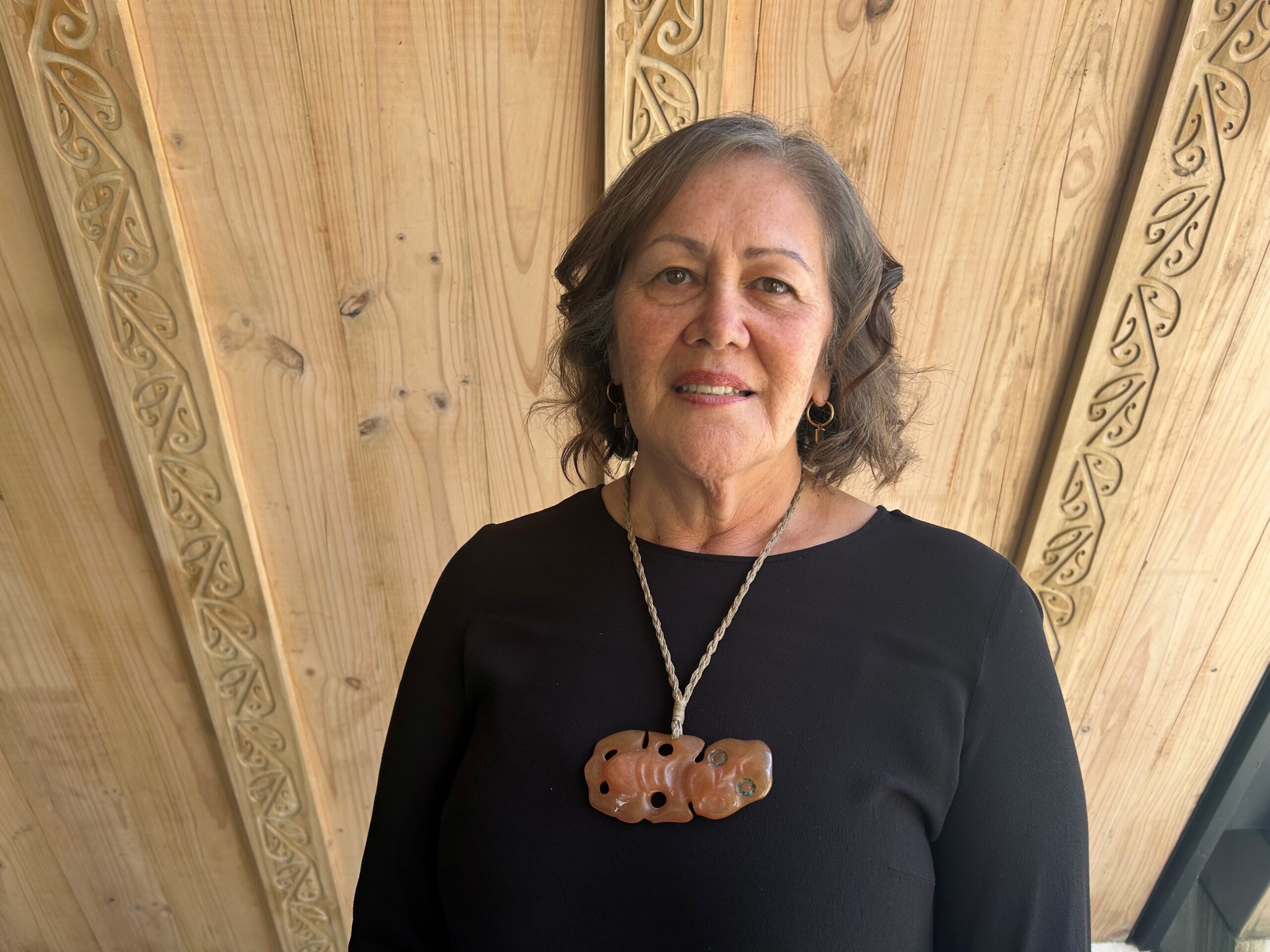
Deputy Chairperson Jenny Kaka-Scott presented the Te Taura Ora oral submission to Subcommittee A, chaired by Sam Uffindell, with members Dr Carlos Cheung, Cameron Luxton, Hūhana Lyndon, and Debbie Ngarewa-Packer.
Te Taura Ora IMPB Warns Pae Ora Bill Worsens Inequities Urges Abandonment
Te Taura Ora o Waiariki, the Iwi Māori Partnership Board (IMPB), will make a formal submission before Parliament’s Select Committee on Tuesday 2 September at 9:50am on the Pae Ora Bill. Deputy Chairperson Jenny Kaka-Scott will present to Subcommittee A, chaired by Sam Uffindell, with members Dr Carlos Cheung, Cameron Luxton, Hūhana Lyndon, and Debbie Ngarewa-Packer.
“This Bill undermines the principles of Te Tiriti o Waitangi by stripping away statutory protections that give Māori genuine influence in health service design and delivery decisions impacting our people,” Jenny Kaka-Scott said.
Te Taura Ora o Waiariki opposes the Healthy Futures (Pae Ora) Amendment Bill because it reduces Māori from being meaningful decision-makers to advisors to the Minister’s advisors, which represents a constitutional regression.
“The Pae Ora Act 2022 is one of the few modern health laws that truly embeds Te Tiriti into governance, service design, and monitoring, and the proposed amendments would weaken those protections nationwide.”
She said that IMPBs must be strengthened to maintain statutory authority to monitor the health sector independently, partner in local service design and delivery, and hold the power to appoint a majority of Hauora Māori Advisory Committee members who are accountable to iwi.
“This ensures real influence over our local health services, rather than tokenistic consultation. Weakening IMPBs also undermines Crown credibility, Tiriti compliance, and accountability in Māori health,” she said.
Kaka-Scott said the Bill also risks dismantling mechanisms that are already delivering positive outcomes for Māori. Te Taura is one of 15 IMPBs operating across Aotearoa, providing a vehicle for rangatiratanga in health. Removing their statutory functions would undermine these proven approaches and weaken local voices in health planning.
“In our Te Arawa rohe, Te Taura Ora o Waiariki has successfully partnered with Rotorua Hospital, local PHOs, Hauora Māori providers, Bay of Plenty Public Health, and community leaders to embed local priorities into Regional Health and Wellbeing Plans. Our partnerships demonstrate how IMPBs improve outcomes on the ground through genuine Te Tiriti-based engagement and co-design.”
These local successes highlight what is at stake, as the Bill’s proposed changes risk undermining the very mechanisms that are improving Māori health outcomes and addressing persistent inequities in Te Arawa.
“Evidence shows that Māori continue to experience shorter life expectancy and higher rates of preventable hospitalisations. By removing mandatory engagement, cultural responsiveness, and independent monitoring, the Bill would reduce culturally safe care, allow inequities to go unreported, and impose one-size-fits-all universalism solutions that fail to meet local Māori needs,” Kaka-Scott said.
Te Taura Ora o Waiariki is calling on Parliament to abandon the Bill or at worst, redraft it to retain and strengthen statutory Te Tiriti protections, IMPB powers, and co-design mechanisms. Until such changes are made, the Pae Ora Act 2022 remains in force, and Te Whatu Ora Health NZ must fully comply with its current statutory requirements.
Media Liaison: Sarah Sparks Email: Sarah.sparks@sparksconsulting.co.nz Mobile: 021318813
Proposed Pae Ora Bill Sparks Concern as Local Iwi Māori Partnership Board Warns of Silenced Māori Voices
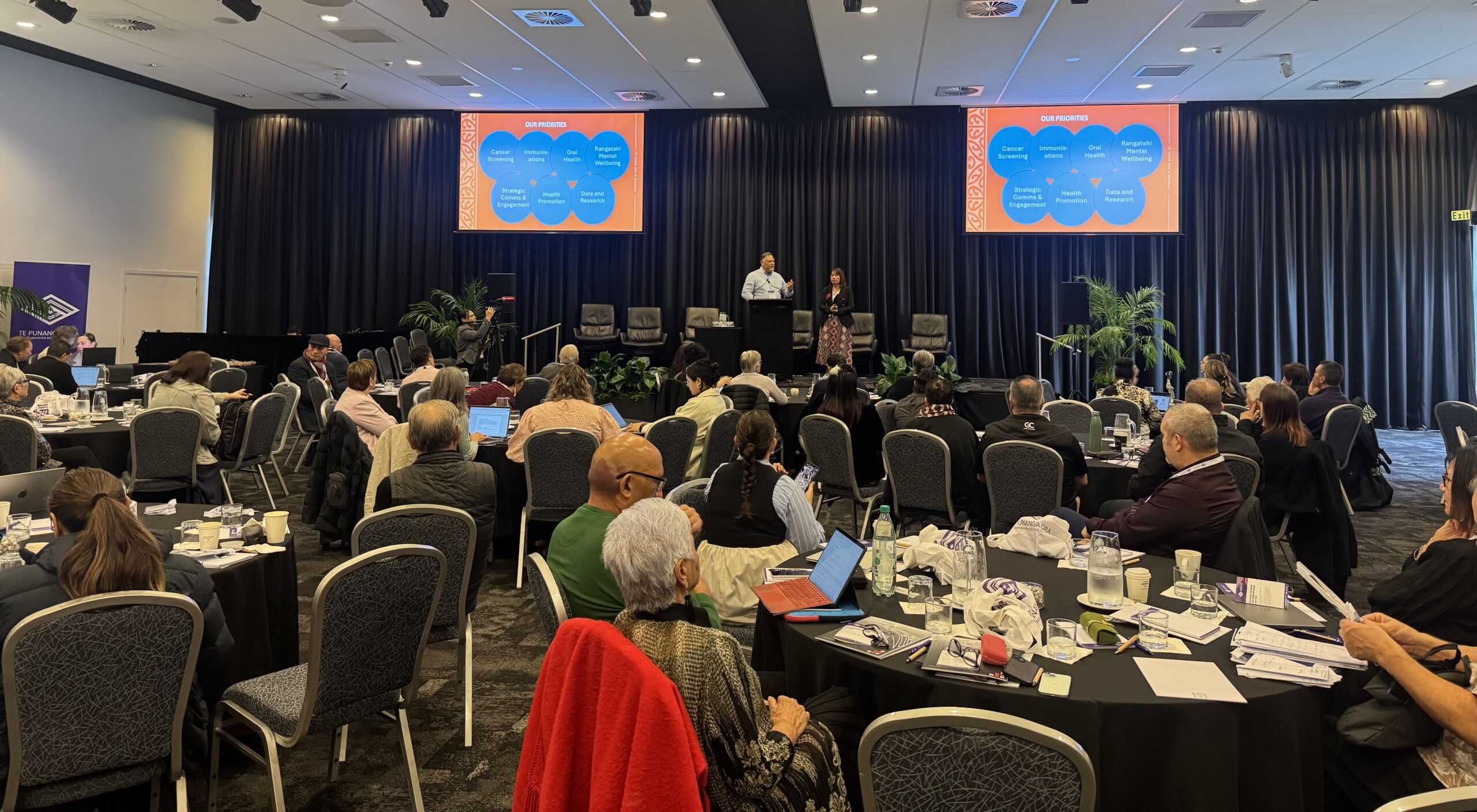
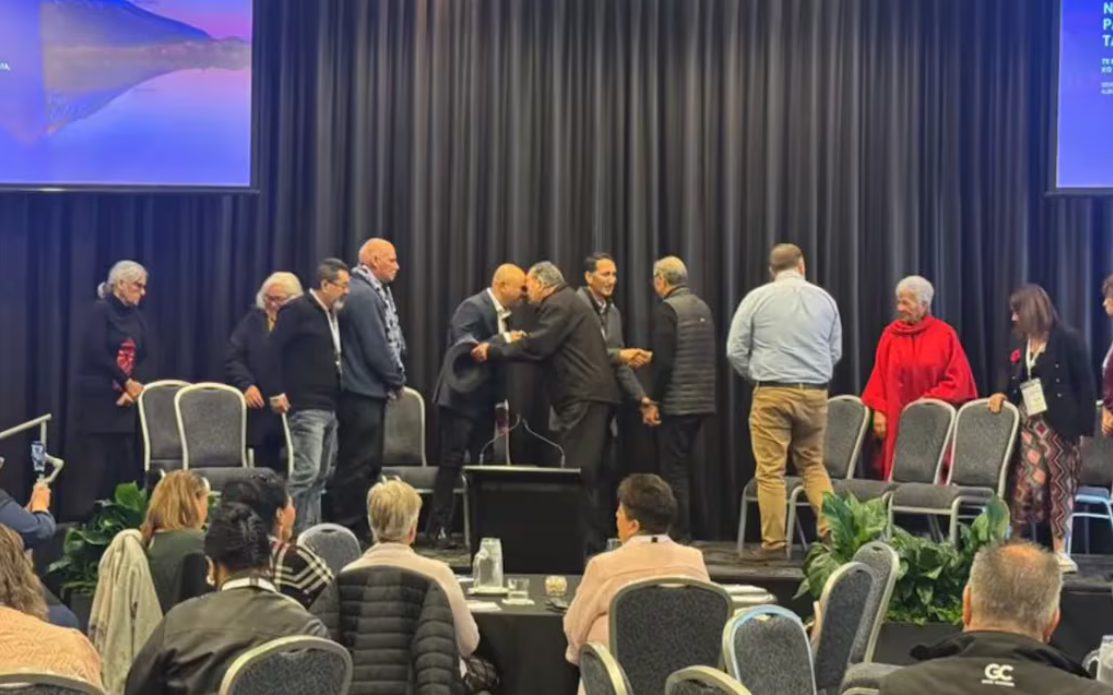
Te Taura Ora o Waiariki, the Iwi Māori Partnership Board (IMPB) has just returned from a landmark national hui in New Plymouth, where 15 Iwi Māori Partnership Boards united to oppose government plans that threaten to silence Māori voices and weaken decades of hard-won health partnerships guaranteed under Te Tiriti o Waitangi.
“What we’ve learned is the public health system is actually not doing really well for our people, and we have known this for many years,” said Te Taura Ora Chair, Hingatu Thompson.
The first monitoring report released by Te Taura Ora o Waiariki IMPB revealed critical gaps in prevention and access for Māori in Te Arawa, highlighting low cancer screening rates and the country’s lowest child immunisation coverage, underscoring the urgent need for greater investment in Māori-led health solutions.
“What was encouraging with the original Pae Ora Act was that mana returned to Te Arawa to take control, to analyse data ourselves with our Whānau Voice surveying that gathers our own information from whānau our rohe to influence priorities.”
“However, now the government’s proposed changes in the Pae Ora Bill threaten to remove iwi’s meaningful participation and advice on the future of hauora for our people.”
Thompson said Te Arawa has maintained strong hauora partnerships across successive governments and will continue to do so. However, the proposed legislation risks sidelining iwi voices by channelling feedback primarily through the Minister-appointed Hauora Māori Advisory Committee (HMAC) which lacks representation from Waiariki, instead of empowering locally appointed Iwi Māori Partnership Boards to engage directly at regional and community levels, where real, meaningful change occurs.
“As Iwi Māori Partnership Boards, we have unique regional and local priorities and accountability to our whānau at home. We must work directly with Te Whatu Ora Health New Zealand at these levels to influence how services are delivered, who delivers them, and ultimately to achieve better outcomes for Māori in our rohe. The government’s talk of ‘streamlining’ feels like a convenient way to reduce Māori engagement,” Thompson said.
Te Taura Ora o Waiariki IMPB strongly supports:
- Retaining and clarifying the accountability of HMAC to iwi Māori through IMPBs.
- Strengthening IMPB roles to provide regional and local advice to Te Whatu Ora Health New Zealand.
- Developing new health strategies with specific actions to improve Māori health outcomes.
- Opposing any amendments to the Pae Ora Act that weaken or replace the principles of Te Tiriti o Waitangi.
“The government’s own analysis shows these changes will have minimal positive impact on Māori health outcomes, yet they risk diminishing Māori involvement. We firmly believe that continuing and enhancing the current partnership model will lead to genuine improvements and reduced inequities.”
“While that national hui is only the beginning of a national conversation, common themes are emerging, iwi and IMPBs do not support these proposed changes and question their necessity.”
“We are committed to working together nationally to form a single, strong voice, but improving life expectancy, child immunisation rates, accessibility to health delivery services locally and regionally is where we need to make the ultimate progress.”
Each IMPB, including Te Taura Ora o Waiariki, will submit their own detailed submission to the Health Committee on the proposed legislation by 18 August. Thompson intends to present in person to the select committee on behalf of whānau in Waiariki.
Media Liaison: Sarah Sparks
Email: Sarah.sparks@sparksconsulting.co.nz
Mobile: 021318813
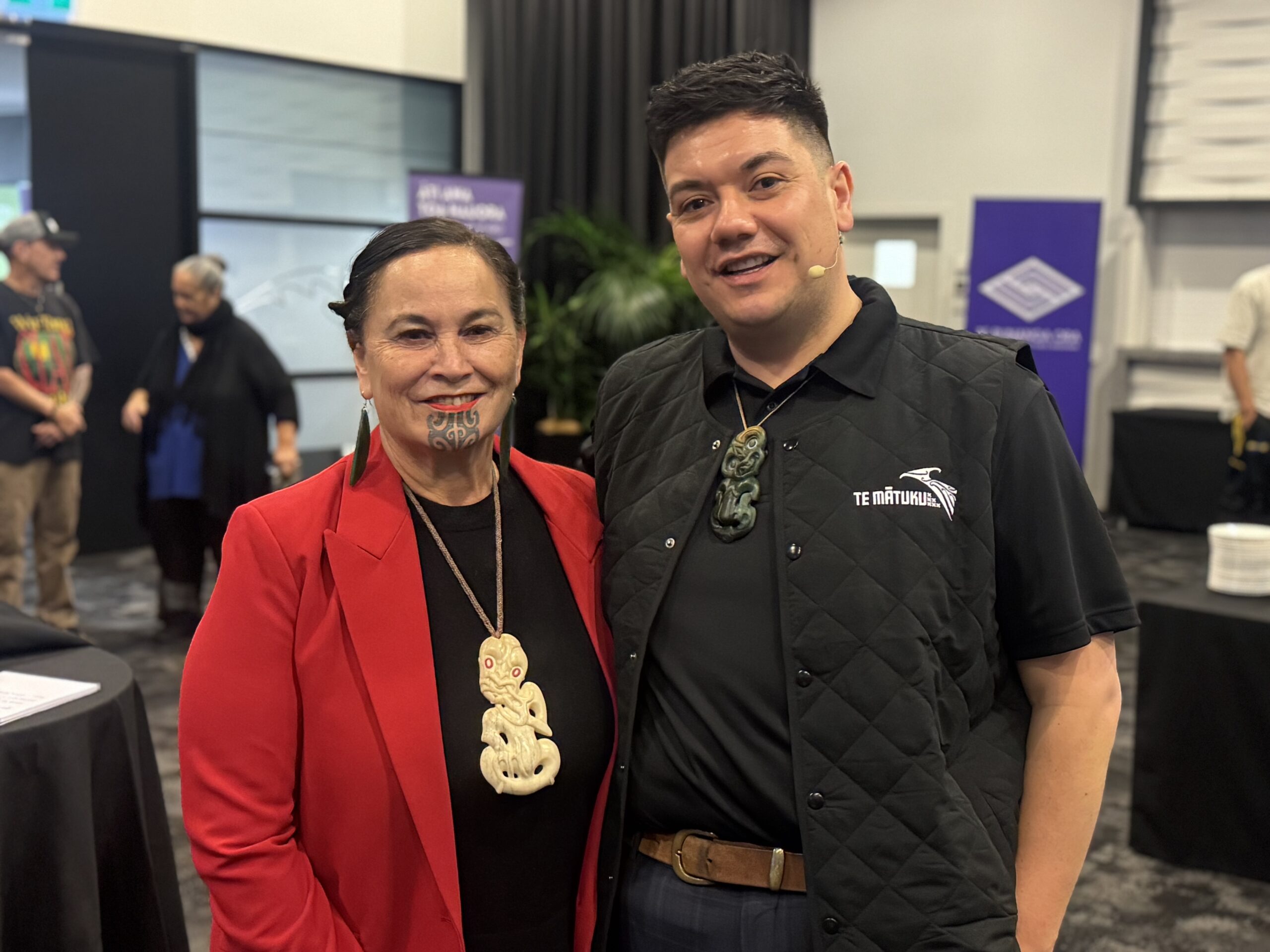
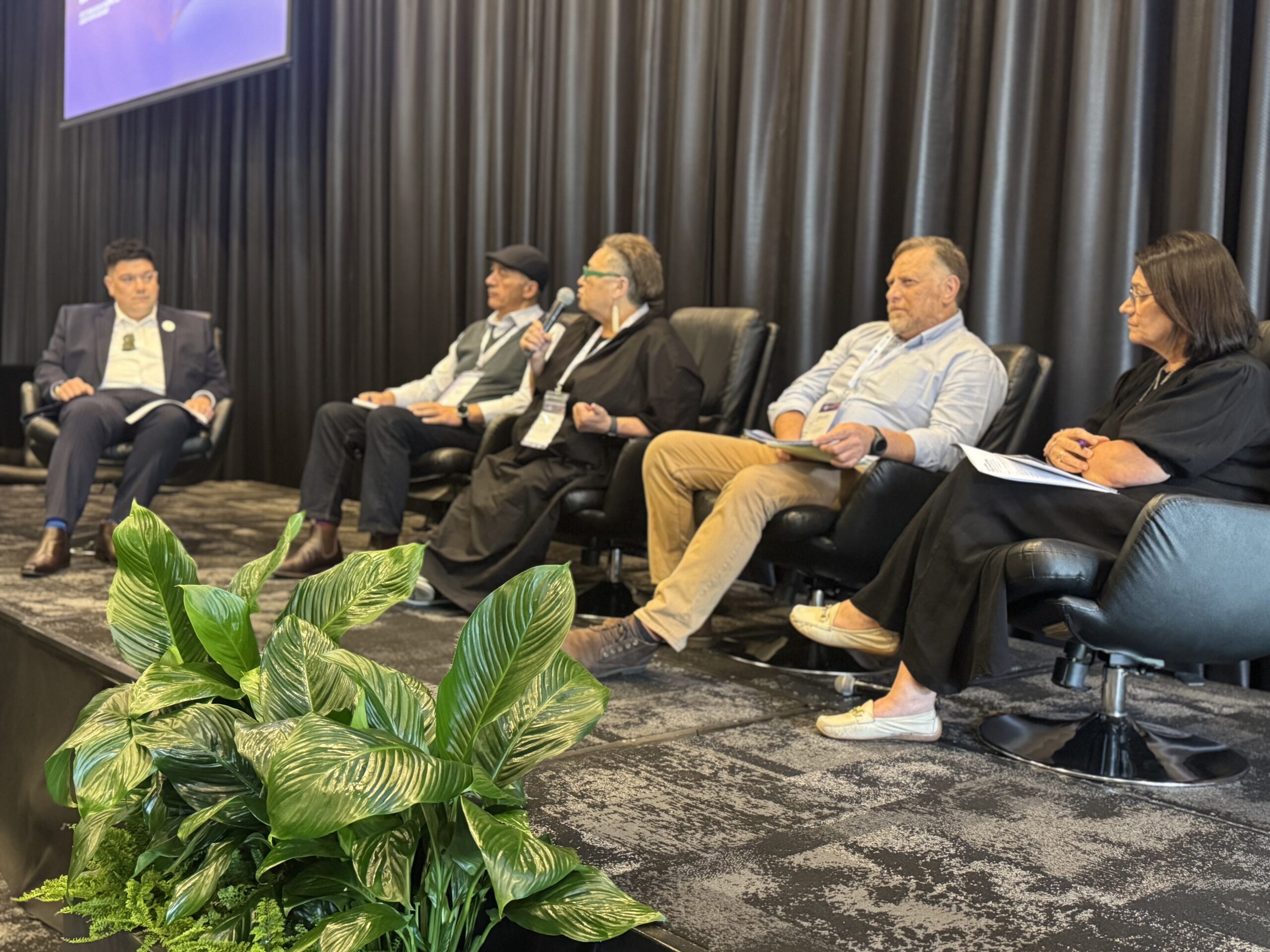
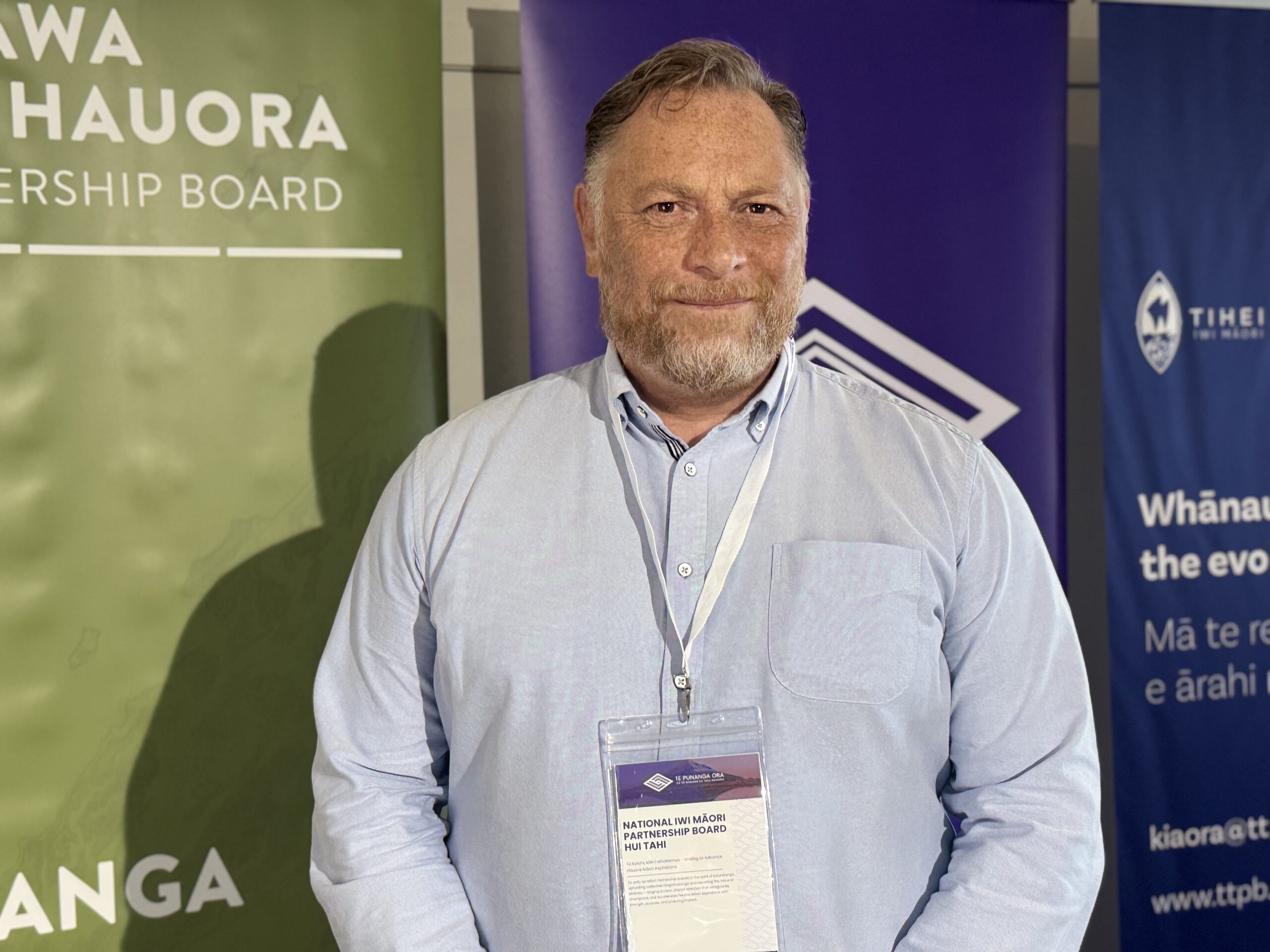
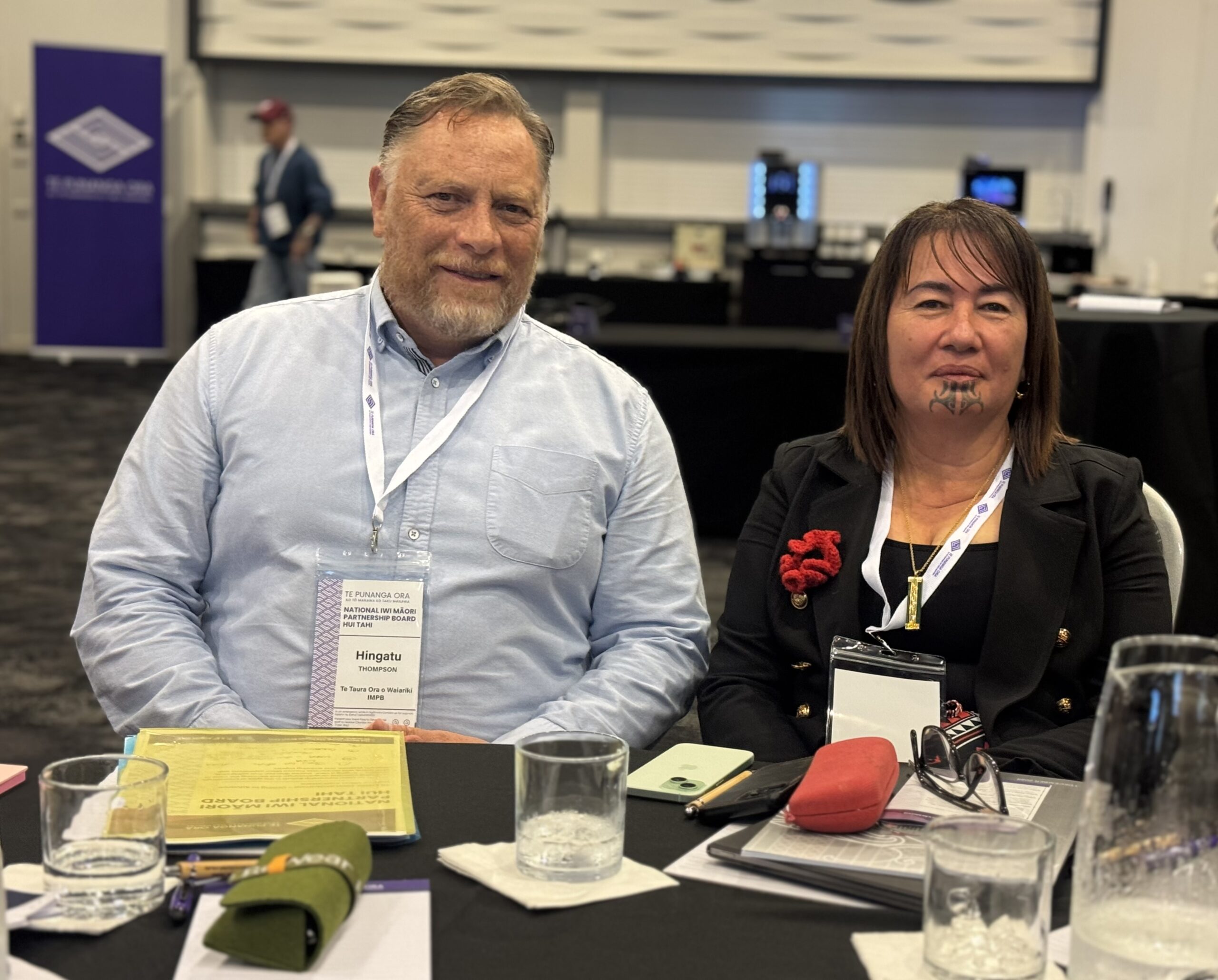
See the photo gallery below for a snapshot of the conference.
Iwi Māori Partnership Boards concerned their role minimised under Pae Ora Act changes
This article was first published on RNZ.
Iwi Māori Partnership Boards are concerned changes to the Pae Ora Act minimises their role.
A national hui hosted by Te Punanga Ora in Taranaki brought all 15 Iwi Māori Partnership Boards (IMPBs) together for the first time since their establishment in 2022.
The gathering followed the first reading of the Pae Ora (Healthy Futures) Amendment Bill which is set to ‘rebuild the health system’.
There are four things within the proposed changes that Hingatu Thompson from Te Taura Ora o Waiariki IMPB wants the government to reconsider.
“One is we don’t agree that te Tiriti should be removed out of all legislation. The second thing is, there is a Hauora Māori Advisory Committee (HMAC), we support them having a national role, but we think they should be accountable to iwi and we can provide that channel.
“The third thing is there’s a Māori health strategy still within the Act, and we just want to endorse that. There’s no way New Zealand is going to achieve improvement in Māori health without having a plan.”
His fourth concern was the role of IMPBs. Thompson said if their roles were taken away, it would be harder for Māori health to improve.
“It’s about the Treaty relationship, te Tiriti o Waitangi, how Māori engage with the Crown to ensure Māori are well and to make sure there is a difference for all of the inequity that we see because Māori do die younger. We do have access to the same services, but the outcomes are worse.”
It was announced last week that life expectancy for Māori had increased more than any other ethnic group in New Zealand, but the 3.1 year increase still kept Māori at the bottom of the rung.
“It would be interesting to see where those statistics are generated from,” Te Pununga Ora deputy chair Mitchell Ritai said.
From heart conditions to gout, Ritai said certain medical conditions contributed to Māori dying earlier than non-Māori.
“These are all historical issues and we need a system that helps to ensure that these inequities that we’re experiencing as Māori are addressed in the correct way.”
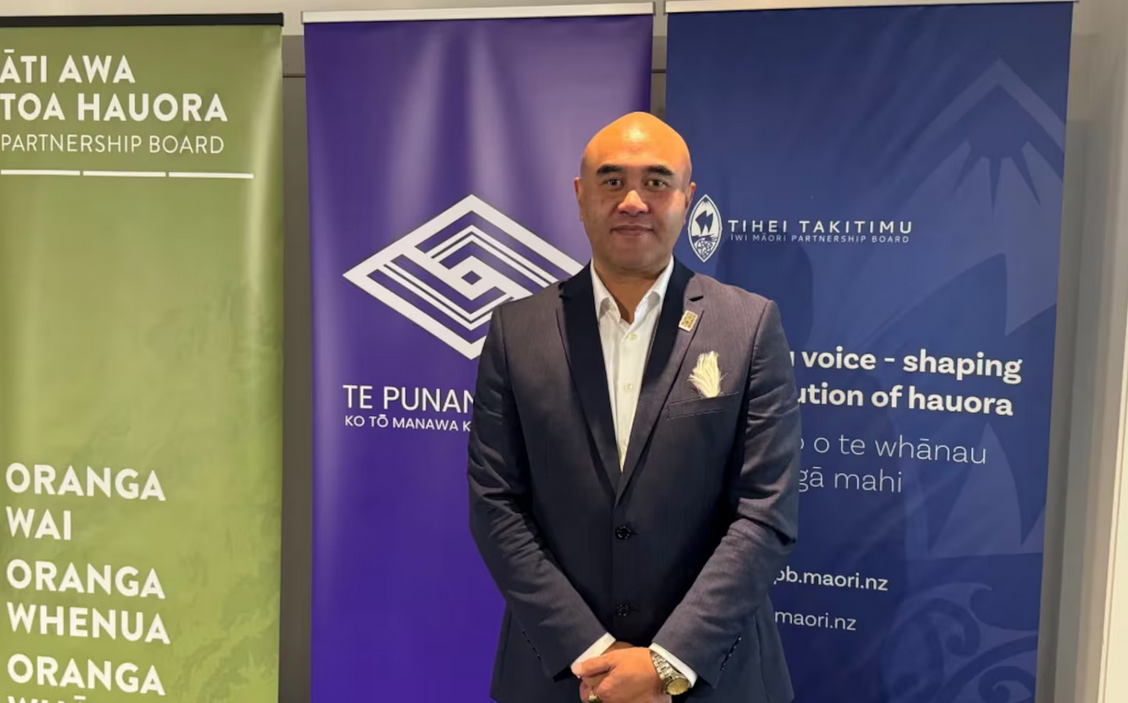
He believed it should be up to local people in communities who should lead the way.
“Interventions, programmes, initiatives to help improve health statistics should be led locally. The change to the Pae Ora Act stops that and that’s one of our concerns is that our voice, and the voice of our whānau, may potentially be silenced with these amendments.”
It was through the Tino Rangatiratanga clause under article two of te Tiriti o Waitangi that got IMPBs off the ground, Ritai said, it was an ability for Māori to have a direct connection to decision makers at a local level around addressing health inequities for Māori.
Te Pāti Māori co-leader Debbie Ngarewa-Packer said the Pae Ora legislation was the last of the changes that the “government has made to strip out te Tiriti, to strip out equity approaches to Māori health”.
“It’s gutting for a lot of entities that have been around forever and tried the mainstream health way and seen how it’s failing Māori.
“The sadness is that we’re tangata whenua. We’re the indigenous peoples of Aotearoa. And the government doesn’t think that we’re worth protecting. It’s quite heartbreaking when you look at the level of commitment that iwi have given.”
With the backing of whakapapa and mana, IMPBs are iwi-led and iwi-appointed, therefore they hold aspirations within each of the regional iwi, Ngarewa-Packer said.
“What we’ve been trying to do is go out to create health services in a regional bespoke way that makes sure that you can either go out to marae or go to the kaumātua wānanga, be where rangatahi are and deal with it as best suits for those communities in a regional sense.
“And that’s what the Iwi Māori Partnership Boards are mandated to do… advise and determine where investment should be.”
Public submissions on the Healthy Futures (Pae Ora) Amendment Bill close Monday, 18 August.
By Emma Andrews of RNZ.
Original Article: https://www.teaonews.co.nz/2025/08/10/iwi-maori-partnership-boards-concerned-their-role-minimised-under-pae-ora-act-changes/
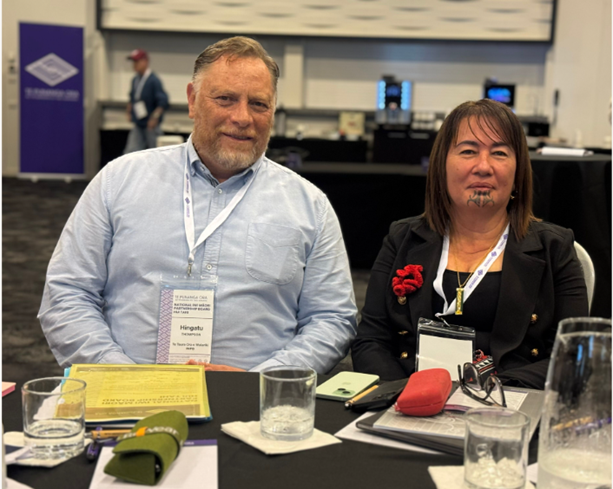
Te Taura Ora Defends Māori Voice in Health Reforms
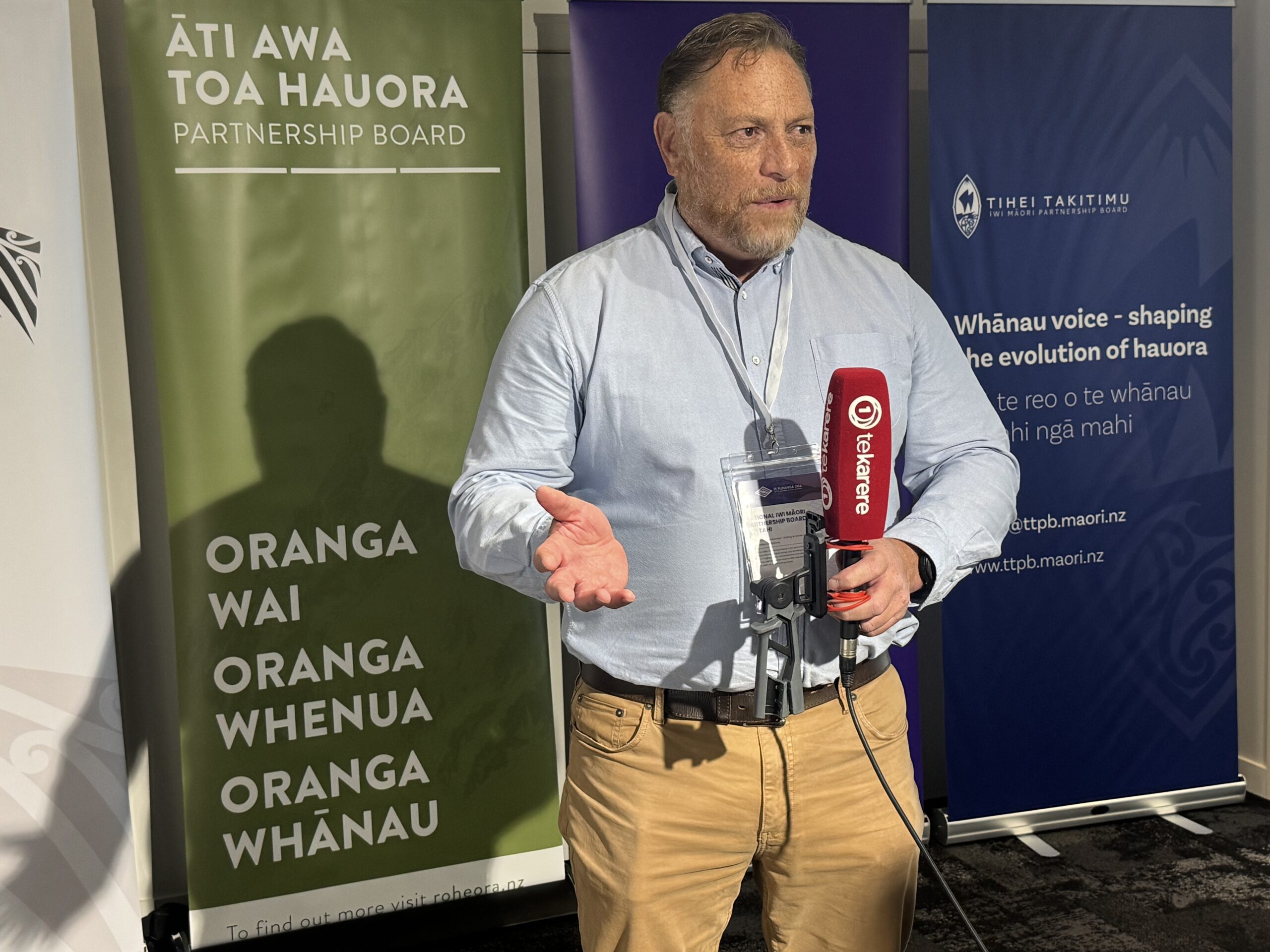
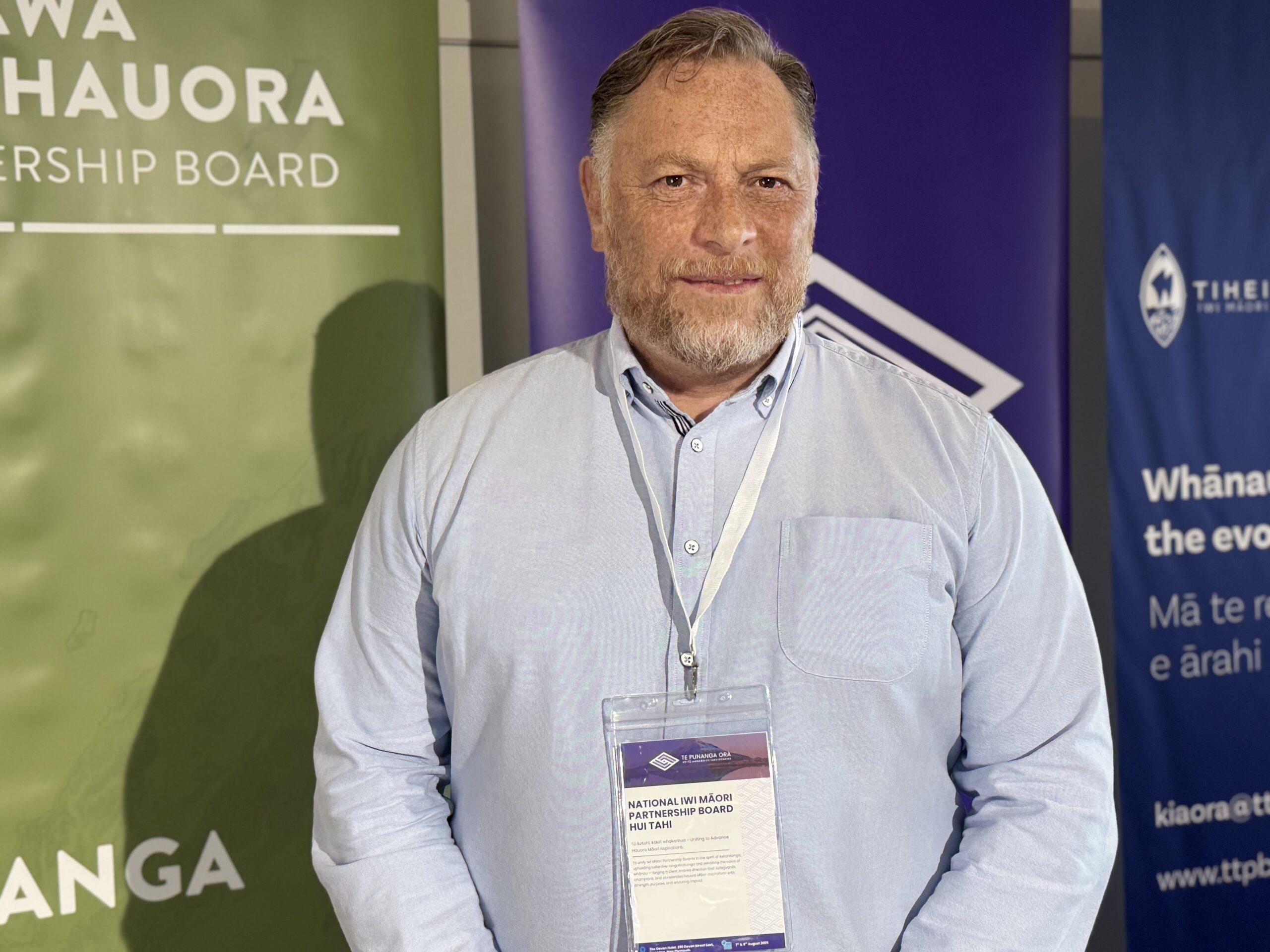
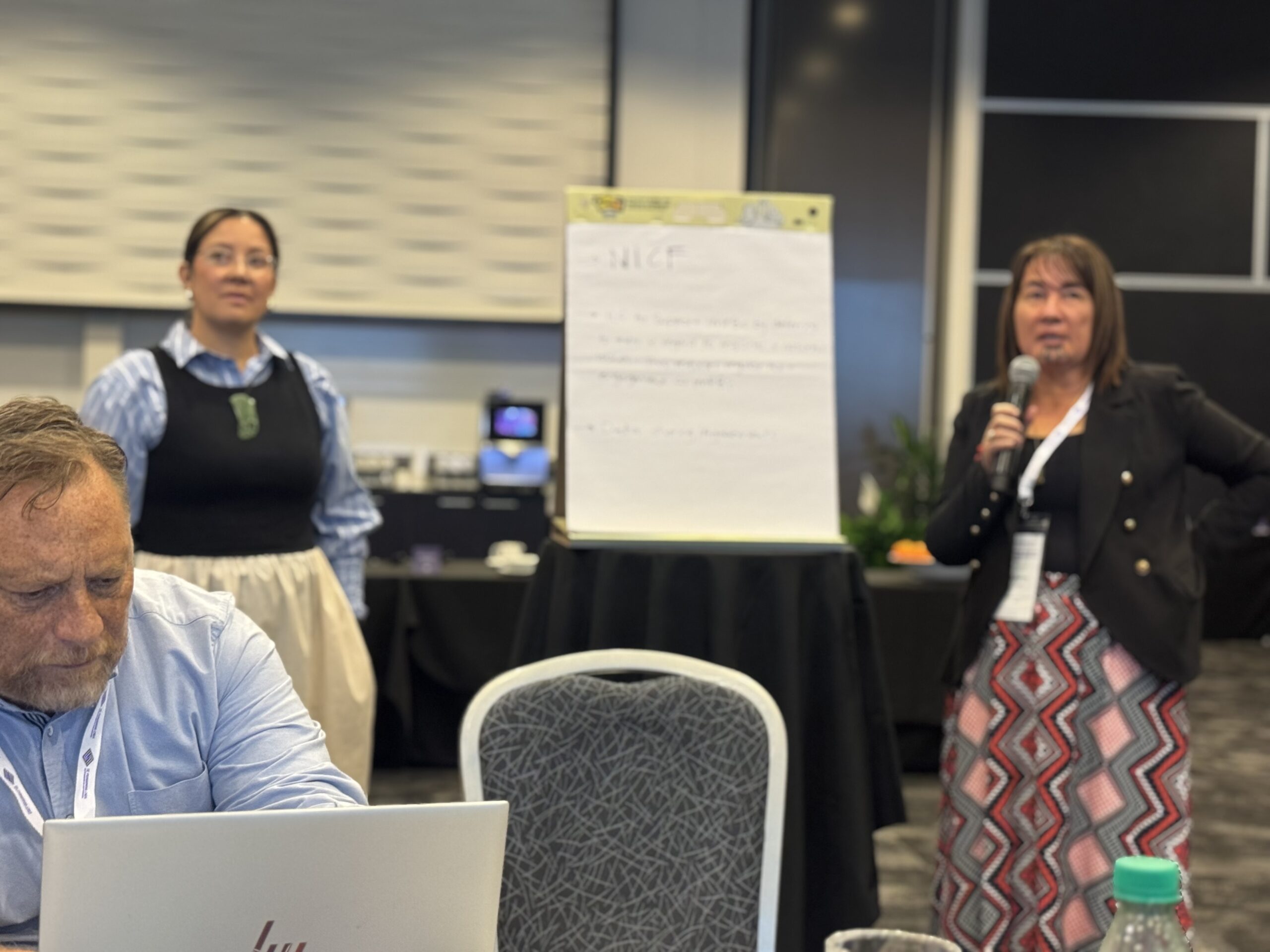
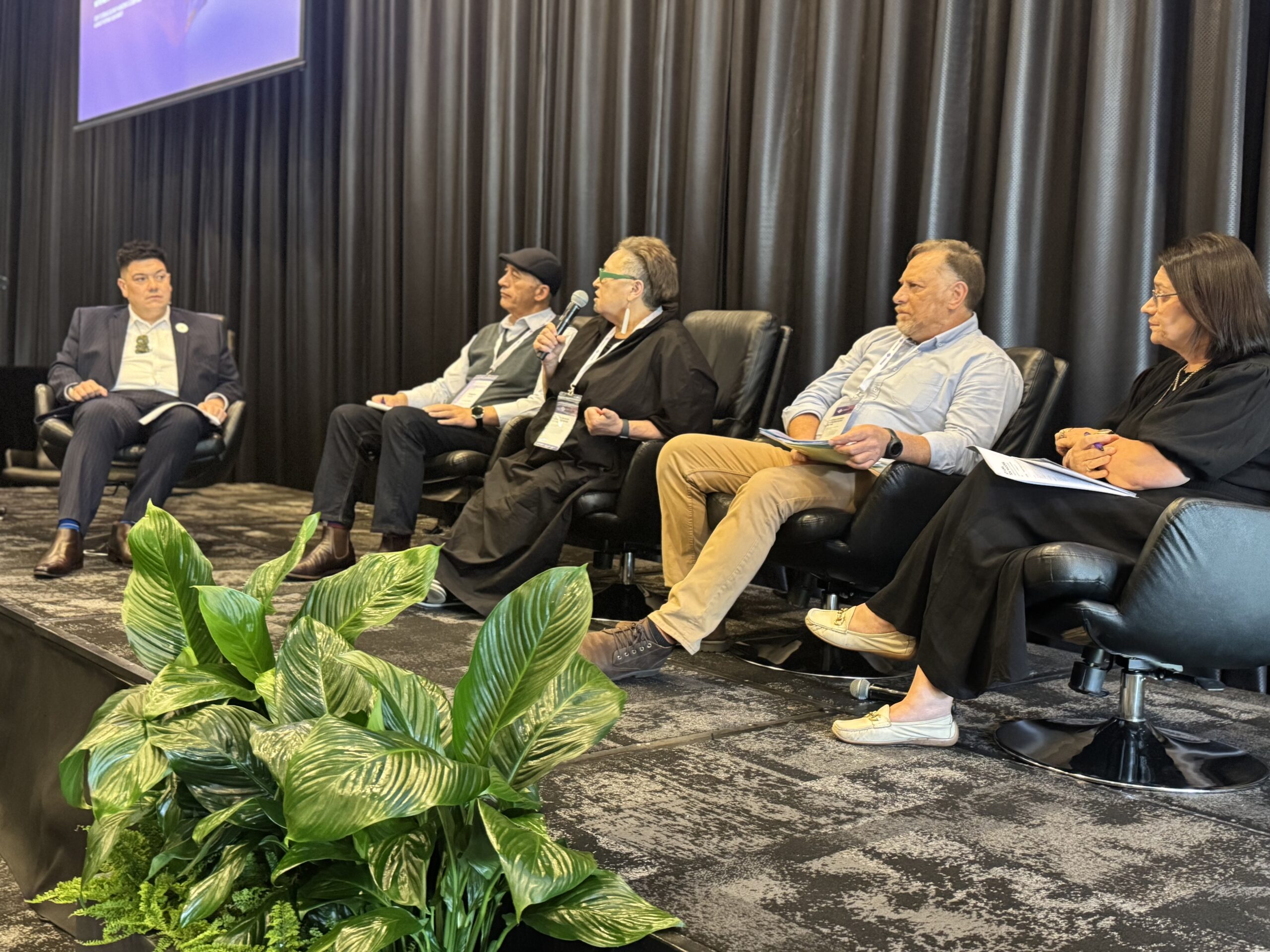
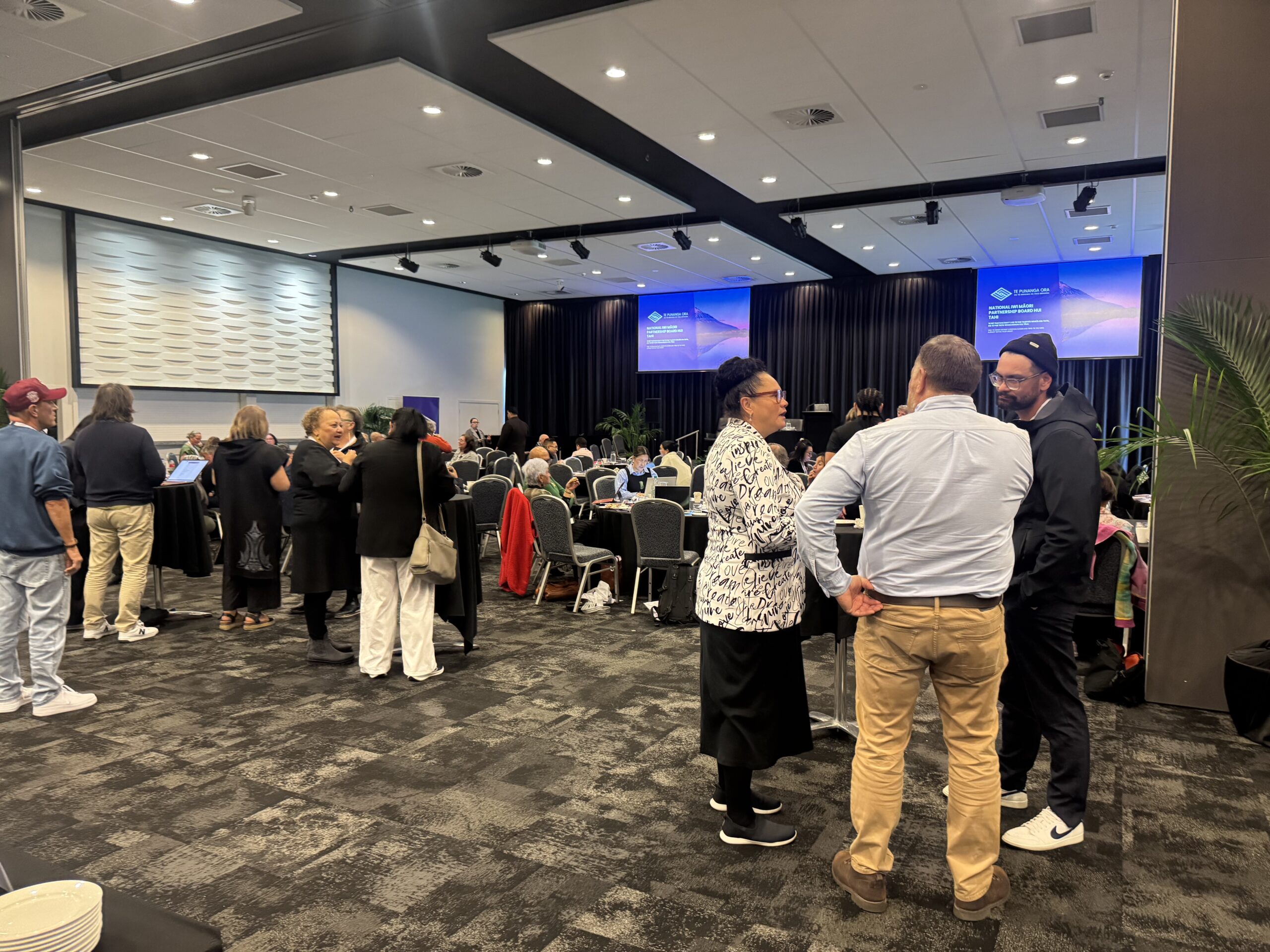
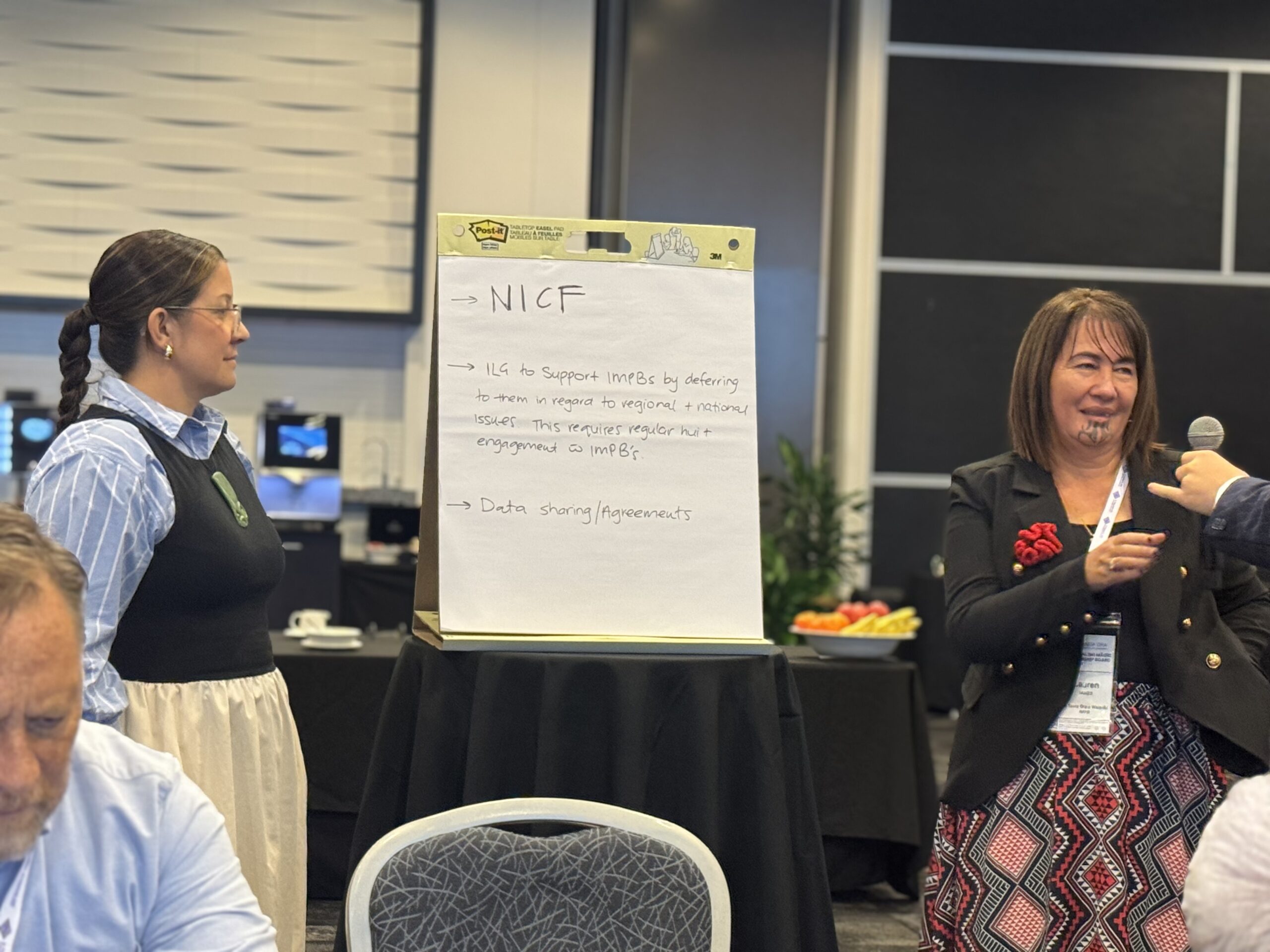
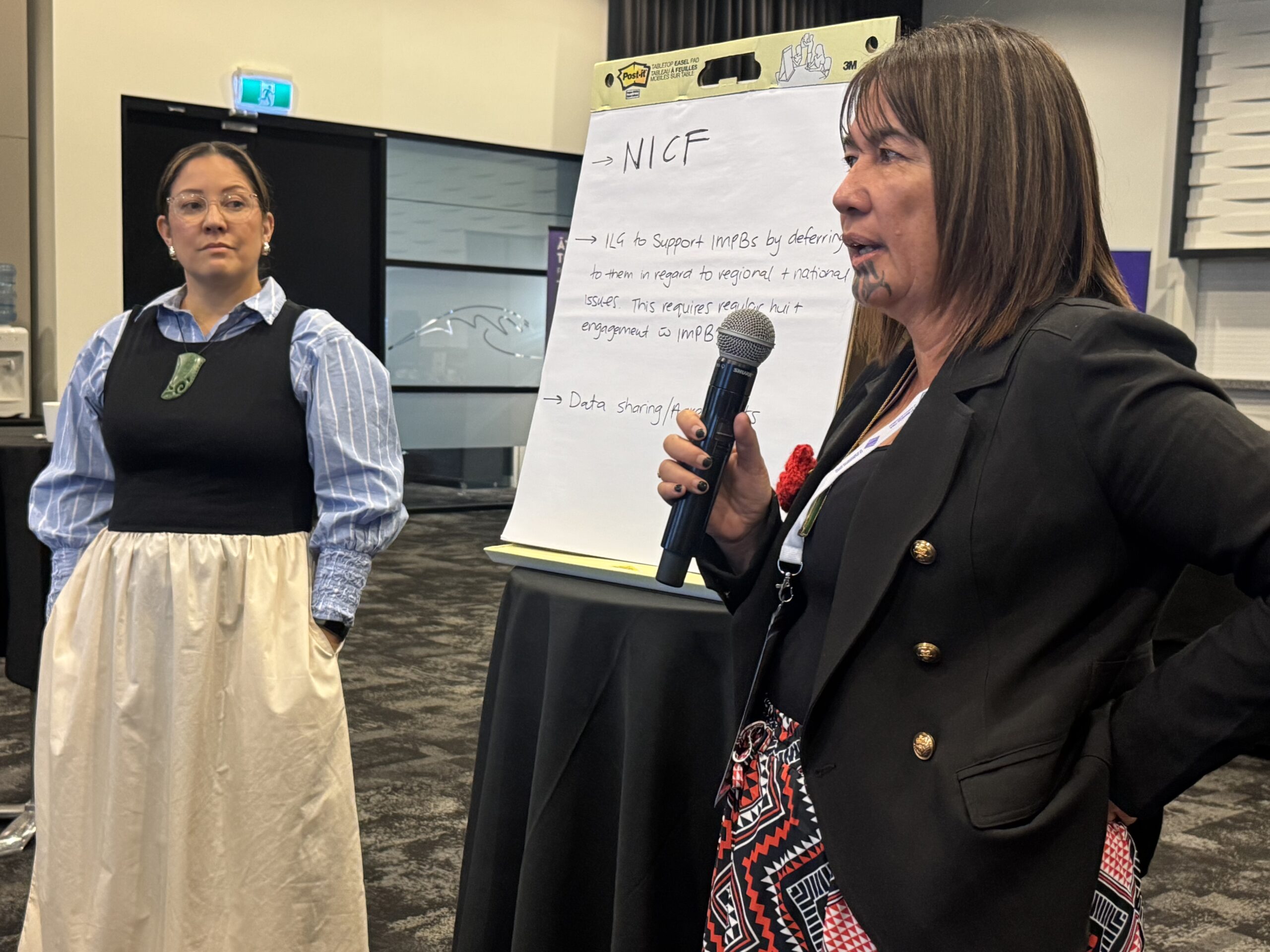
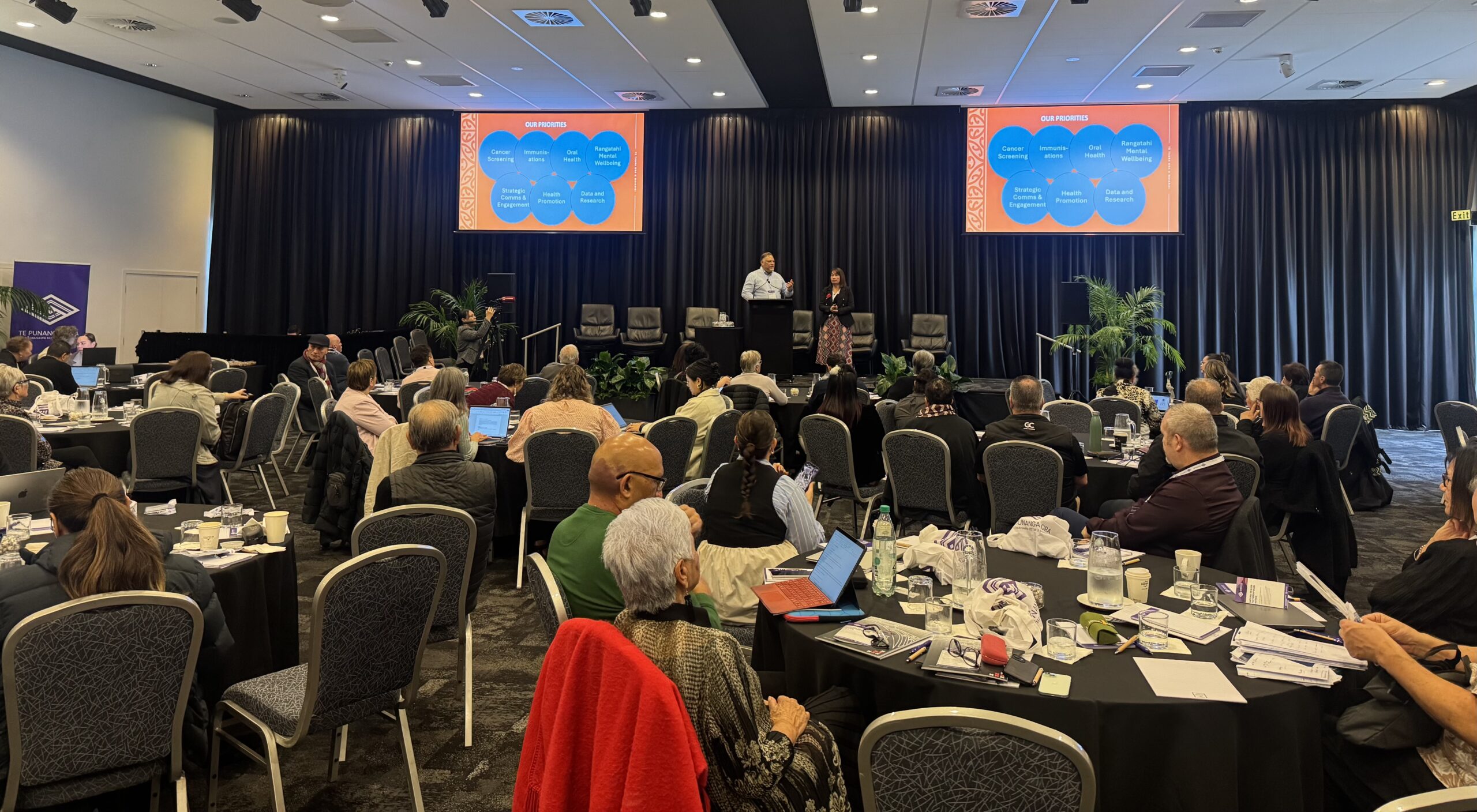
Te Taura Ora o Waiariki joined all 15 Iwi Māori Partnership Boards (IMPBs) this week at a historic hui hosted by Te Punanga Ora in New Plymouth, Taranaki. The gathering brought together representatives of around 914,400 Māori across Aotearoa to respond to proposed reforms under the Pae Ora (Healthy Futures) Act, which would significantly reduce the statutory role of IMPBs in the health system.
The proposed changes would remove the boards’ monitoring powers, a critical function that ensures health services are accountable to Māori communities and responsive to local needs. Te Taura Ora o Waiariki Chair, Hingatu Thompson, emphasised the importance of iwi-led engagement and local influence.
“The opportunity of the IMPB is to make a difference in hauora, and that will be minimised by the Crown if they stop opportunities to engage. We want to work locally because that is where we can make a difference for our people, for Te Arawa, and for Māori within our rohe,” he said.
Hingatu also warned against how the government is reducing Māori engagement. “Streamlining, I believe, is a convenient word to reduce engagement in Māori. The government says the changes won’t have much impact on Māori outcomes, but the system is only now starting to show results. We’re starting to engage locally, starting to work more with Health NZ leadership, and that is where we can make a real difference.”
Fellow Board member, Lauren James facilitated a panel kōrero, opening with a vision for the future.
“As Māori, we’ve been talking about the devolution of health services for decades. It’s time we got serious and started demanding it now. We don’t just want services delivered to our communities because we can deliver them better ourselves, with better outcomes for our people. Devolution has to be a priority, across public, private, and philanthropic sectors,” she said.
Reflecting on the role of Te Arawa and the wider iwi network, Hingatu said: “As we analyse and monitor what the sector is doing for Māori, it’s clear it hasn’t been performing well, something we’ve known for years. But the mana has returned to Te Arawa, allowing us to form our own views, interpret the data ourselves, and gather our own information.”
He opposed the Pae Ora Bill, saying, “The changes the government is proposing would actually remove iwi from having a say in how hauora is shaped. Locally and regionally, it’s essential that iwi have the space to provide our own input.”
The two-day hui included a pōwhiri, keynote addresses from a representative of the Hauora Iwi Leaders Group from the National Iwi Chairs, workshops, panel discussions, and strategy sessions. The collective affirmed their commitment to upholding tino rangatiratanga as guaranteed under Article Two of Te Tiriti o Waitangi.
Te Taura Ora o Waiariki, alongside fellow IMPBs, remain steadfast in protecting Māori leadership and accountability in the health system, advocating for local voices to be at the centre of decisions that affect Māori whānau and communities.
Media Liaison: Sarah Sparks Email: Sarah.sparks@sparksconsulting.co.nz Mobile: 021318813
Te Pākira Hauora Clinic
In early 2025, Te Pākira hosted its very first hauora clinic, supported by Te Rūnanga o Ngāti Pikiao, and the response from whānau was incredible.